Sweating is a natural process that helps our bodies regulate temperature, but when it becomes too much, it can interfere with daily life. Excessive sweating, also known as hyperhidrosis, affects millions of people around the world. It is more than just a physical issue; it can impact confidence, social interactions, and even work performance.
The good news is that there are effective treatments available that can help you manage excessive perspiration and regain control over your comfort and confidence. In this article, we will explore the excessive sweating causes, when it might signal a medical concern, and the different treatment options available today.
What Is Excessive Sweating?
Excessive sweating is a condition where the body produces more sweat than it needs to regulate temperature. While sweating is normal during hot weather or exercise, people with hyperhidrosis often sweat heavily even when resting or sitting in a cool environment. If you’re looking for a hand sweating reason, hyperhidrosis is one of the most common causes, leading to excessive perspiration in the palms without any obvious trigger.
This condition can affect different areas of the body, including the underarms, palms, feet, and face. It can be unpredictable and frustrating, but the key to dealing with it is understanding why my hands are sweating and what you can do about it.
What Can Cause Excessive Sweating?
Excessive sweating can be divided into two main categories:
- Primary hyperhidrosis: This type usually starts in childhood or adolescence and has no underlying medical cause. It often affects specific areas like the underarms, hands, or feet and is one of the most common hand sweating reasons.
- Secondary hyperhidrosis: This occurs due to an underlying medical condition such as thyroid problems, diabetes, infections, or as a side effect of certain medications. It tends to cause sweating across larger areas of the body.
Other factors that may trigger excessive perspiration include stress, hormonal changes such as menopause, obesity, and certain lifestyle habits. These factors can also contribute to sweaty palms, a common symptom that may affect daily activities and confidence. Understanding the cause helps determine the best treatment option.
Treatments For Excessive Sweating
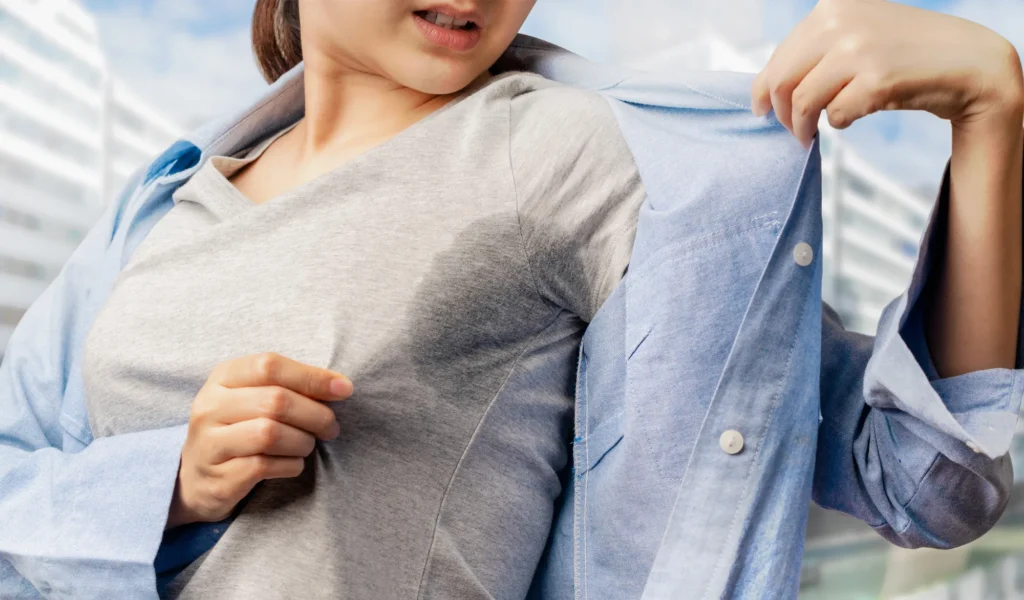
The most important thing to know is that excessive sweating is treatable. Whether you are dealing with sweaty hands, underarm sweating, or excessive perspiration in other areas, modern aesthetic medicine and dermatology offer several safe and effective options for controlling unwanted sweating. Here are some of the most common treatments:
- Antiperspirants: Strong clinical-grade antiperspirants are often the first step. They block sweat glands and can help manage mild cases of hyperhidrosis.
- Prescription medications: Certain oral medicines reduce sweat production by targeting the overactive nerves responsible for triggering sweat glands.
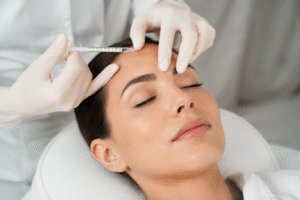
- Botox injections: Botox is one of the most effective treatments for underarm sweating. By temporarily blocking the signals that activate sweat glands, it can keep the area dry for several months at a time.
- Iontophoresis: This treatment uses a low-level electrical current delivered through water to reduce excessive sweating, particularly in the hands and feet.
- Microwave therapy: Some clinics offer devices that use microwave energy to permanently destroy sweat glands in the underarms, offering long-term relief.
- Surgical options: In severe cases, a procedure called sympathectomy may be considered, where certain nerves responsible for triggering sweat are cut or removed.
Lifestyle Tips For Hyperhidrosis
In addition to medical treatments, small changes in your daily routine can make a big difference in controlling excessive sweating. Wearing loose, breathable clothing made from natural fabrics like cotton can help keep your body cool and reduce sweat buildup. Choosing moisture-wicking socks and changing them regularly can also prevent excessive foot sweating.
Maintaining good hygiene habits is equally important. Regular showers, using antibacterial soaps, and applying clinical-strength antiperspirants before bedtime can help manage sweating effectively. Avoiding known sweat triggers such as spicy foods, caffeine, and stress can also reduce flare-ups. Incorporating stress-reducing practices like yoga, meditation, or breathing exercises may help calm your nervous system and decrease sweat production.
When To See A Doctor?
While occasional sweating is normal, excessive sweating that disrupts daily life should not be ignored. If you find yourself sweating excessively even when you are not hot, stressed, or physically active, you may wonder, “why do I sweat so much?” In many cases, it may be a sign of an underlying condition such as hyperhidrosis, a medical condition that causes the body to produce more sweat than necessary for temperature regulation.
It’s also important to seek medical advice if excessive sweating is accompanied by other symptoms such as chest pain, dizziness, shortness of breath, or unexplained weight loss. Consulting a doctor will help you determine whether your sweating is a medical concern and allow you to explore safe and effective treatment options.
How to Stop Sweating So Much?
If you often find yourself asking, “Why do I sweat so much?”, the good news is that there are several ways to reduce excessive sweating and stay comfortable throughout the day. While medical treatments can provide long-term relief, simple lifestyle changes can also help manage sweat production and minimize flare-ups.
Start by using a clinical-strength antiperspirant, preferably before bedtime, so the active ingredients have time to block sweat glands effectively. Wearing lightweight, breathable fabrics such as cotton can also help keep your body cool and reduce sweat buildup.
Your diet may play a role as well. Spicy foods, caffeine, and alcohol can trigger sweating in some people. Staying hydrated and choosing cooling, water-rich foods may help your body regulate temperature more efficiently.
Stress and anxiety are common triggers for excessive sweating, especially on the hands, face, and underarms. Relaxation techniques such as deep breathing, meditation, and yoga may help reduce stress-related sweating episodes.
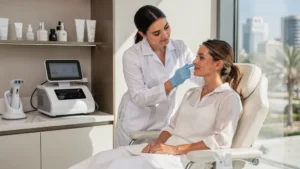
If lifestyle changes are not enough, treatments such as prescription medications, Botox injections, iontophoresis for sweaty hands and feet, or advanced sweat gland reduction procedures can provide significant relief. A consultation with a dermatologist can help determine the most effective option based on the area affected and the severity of your symptoms.
Remember, occasional sweating is normal, but sweating that interferes with your confidence, work, or daily activities may be a sign of hyperhidrosis. Seeking professional advice can help you find a treatment plan that keeps excessive sweating under control.
Regain Confidence With Excessive Sweating Treatments
Living with excessive sweating can feel frustrating, but it does not have to control your life. With today’s advanced treatments, from Botox to laser-based therapies, there are reliable solutions that can help you manage the condition and improve your quality of life.
If sweating is interfering with your daily routine or lowering your confidence, consulting with a trusted aesthetic or dermatology clinic is the first step. With the right treatment plan, you can stay dry, feel comfortable, and regain the confidence you deserve.