Underarm darkness is usually caused by friction, shaving, or irritation from deodorant, though it can also signal a medical condition like acanthosis nigricans. Mild cases often improve with gentler grooming habits and brightening skincare, while more persistent underarm hyperpigmentation responds better to clinical treatments such as chemical peels, laser therapy, or prescription topicals under a dermatologist’s care.
What Is Underarm Darkness?
Underarm darkness is when the skin in the axillary area looks noticeably darker than the skin around it. It is one of the most common aesthetic concerns for both men and women, and tends to show up more in medium to dark skin tones, where skin produces excess melanin more readily in response to irritation.
In most cases this is a form of localised hyperpigmentation caused by everyday grooming habits and product use, and it is purely cosmetic. Occasionally, though, it points to an underlying medical condition that needs attention before any aesthetic treatment makes sense. At Modern Aestheticss in Dubai, Dr. Shubhangi Parkar assesses each patient individually to identify the actual cause before recommending anything.
What Causes Dark Underarms?
Reasons for dark underarms fall into two broad categories: everyday grooming and lifestyle habits, and underlying medical causes. Most patients are dealing with a mix of both.
| Cause | How It Triggers Darkening |
|---|---|
| Shaving | Repeated razor use causes micro-trauma and inflammation, triggering extra melanin production around the follicles. |
| Friction from clothing | Tight fabrics rubbing against the underarm daily cause chronic irritation that darkens skin over time. |
| Deodorant / antiperspirant ingredients | Fragrances, alcohol, and aluminium compounds in conventional formulas can irritate skin and trigger pigmentation. |
| Waxing | Pulling hair from the root causes repeated trauma to the skin surface, contributing to post-inflammatory darkening. |
| Dead skin cell buildup | Infrequent exfoliation lets dead cells accumulate, making the area look darker and dull. |
| Acanthosis nigricans | A medical condition causing thick, dark, velvety skin in body folds, linked to insulin resistance, type 2 diabetes, and hormonal imbalances. |
| Hormonal changes | Pregnancy and contraceptive use can trigger increased melanin production in sensitive skin areas. |
| Ongoing inflammation | Any recurring irritation in the underarm leads to post-inflammatory hyperpigmentation over time. |
Home Habits That Help
For mild underarm darkness caused by grooming and product irritation, these changes can produce visible improvement over four to eight weeks. They are not a substitute for clinical treatment, but they are the foundation that determines how well any treatment performs.
Switch your deodorant
Many conventional deodorants and antiperspirants contain fragrances, alcohol, and aluminium compounds that repeatedly irritate underarm skin. A gentle, fragrance-free, or aluminium-free alternative removes a common trigger. Look for short, simple ingredient lists.
Change your hair removal method
Shaving is one of the biggest contributors because it drags a blade across delicate skin daily. If you shave, use a sharp, clean razor with shaving foam and go with the direction of hair growth to reduce friction. Switching to laser hair removal eliminates that daily trauma entirely and can meaningfully improve underarm skin over time.
Exfoliate gently and regularly
Dead skin buildup makes underarms look darker. A gentle chemical exfoliant with AHAs such as glycolic or lactic acid, used two to three times a week, clears surface buildup and encourages renewal. Avoid harsh physical scrubs on this sensitive area.
Wear breathable fabrics
Tight synthetic clothing increases friction and traps heat, which worsens existing pigmentation. Loose, breathable fabrics like cotton reduce daily mechanical irritation and let the skin recover between treatments.
Clinical Treatments for Underarm Darkness in Dubai
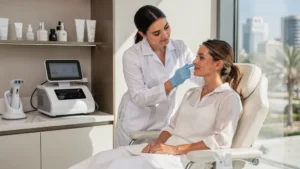
When home habits are not enough, or the pigmentation is deep-seated or medically driven, clinical treatment gets faster, more reliable results. At Modern Aestheticss, every underarm darkness treatment plan is led by Dr. Shubhangi Parkar, and a clinical assessment always comes first.
Prescription topicals
Hydroquinone, kojic acid, azelaic acid, and retinoids are the first-line prescription approach for underarm hyperpigmentation. They work by inhibiting melanin production and speeding up skin cell turnover, and are noticeably more effective than over-the-counter brightening creams. They are often paired with in-clinic procedures to maintain results.
Chemical peels
Superficial to medium-depth peels using glycolic acid, lactic acid, or TCA exfoliate the darkened outer layers and stimulate new cell growth. A series spaced three to four weeks apart produces progressive brightening, and peels also help improve overall skin texture in the area.
Laser treatment
Q-switched Nd:YAG laser and fractional laser treatments target melanin deposits directly without damaging surrounding tissue, and are one of the most effective options for deep or long-standing pigmentation. Most patients need three to six sessions depending on how deep the pigmentation sits and their skin tone. Laser settings are calibrated to each patient’s Fitzpatrick skin type to minimise the risk of post-inflammatory hyperpigmentation.
Mesotherapy
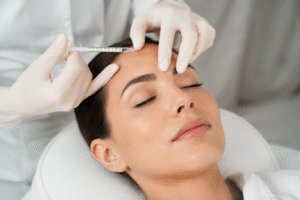
Micro-injections deliver a customised blend of brightening vitamins, glutathione, and antioxidants directly into the skin. It works especially well for diffuse darkness spread across a wider area rather than concentrated spots, and glutathione-based mesotherapy is widely used for skin brightening in Dubai, often alongside topical treatment.
| Treatment | Best For | Sessions |
|---|---|---|
| Prescription topicals | Mild to moderate darkness, maintenance between sessions | Ongoing daily use |
| Chemical peel | Surface pigmentation, post-inflammatory spots, dull texture | 3 to 6 sessions |
| Laser (Q-switched / fractional) | Deep or long-standing hyperpigmentation | 3 to 6 sessions |
| Mesotherapy | Diffuse brightening, overall skin quality | 4 to 6 sessions |
When to See a Dermatologist
Not every case of underarm darkness is cosmetic. If it appeared suddenly, comes with thickened or velvety skin texture, or is spreading to other body folds like the groin or neck, it may point to a medical condition rather than a grooming habit.
Acanthosis nigricans is the most significant medical cause: it produces dark, thickened, velvety skin in the armpits, groin, and neck, and is strongly linked to insulin resistance, type 2 diabetes, and sometimes PCOS. In these cases, treating the skin alone without addressing the underlying metabolic cause will not produce lasting improvement.
A consultation at Modern Aestheticss includes a review of your medical history to rule out systemic causes before any aesthetic treatment is recommended. If an underlying condition is identified, Dr. Parkar refers you to the right specialist while managing the skin concern alongside it. It is worth seeing a dermatologist if over-the-counter products have not helped after three consistent months, if the skin feels rough or textured alongside the darkening, or if pigmentation appeared during or after pregnancy and has not resolved.
How to Remove Dark Underarms Permanently
Permanently removing underarm darkness means addressing both the trigger and the existing pigmentation, since pigmentation tends to return if the cause is not removed too.
For lifestyle-driven darkness, switching to gentler grooming and addressing product irritation, combined with a clinical treatment course, delivers lasting improvement. Patients who switch to laser hair removal often see visible brightening over time just from removing daily shaving trauma. For medically driven pigmentation like acanthosis nigricans, improvement tracks with managing the underlying condition, so as insulin sensitivity improves through lifestyle changes or medication, the skin usually follows.
Most people get their best results through a combination approach: clinical treatment for the existing pigmentation, lifestyle changes to remove the ongoing trigger, and maintenance sessions every three to six months. Full results for moderate to severe darkness typically build over three to six months of consistent treatment.
Book Your Underarm Darkness Treatment Consultation
Treated by Dr. Shubhangi Parkar, DHA-Licensed Consultant Dermatologist
WhatsApp: +971 52 113 6999NASSIMA Tower, Sheikh Zayed Road, Dubai | Mon-Sat 10am-9pm | Sun 10am-8pm
Frequently Asked Questions
How do I get rid of hyperpigmentation in my armpits?
You need to treat both the existing pigmentation and its cause. Prescription topicals, chemical peels, and laser therapy are the most effective clinical options, while switching to a gentle deodorant, reducing shaving friction, and using a mild AHA exfoliant two to three times a week supports the results. Most people see change within four to twelve weeks depending on how deep the pigmentation sits.
Can underarm pigmentation be reversed?
Yes, in most cases, especially when the cause is lifestyle-related like shaving or deodorant irritation. Laser and chemical peels can significantly lighten even long-standing pigmentation, and medically driven cases like acanthosis nigricans can also improve when the underlying condition is treated alongside the skin. How much it reverses depends on severity, cause, and how consistent treatment is.
Do dark underarms ever go away on their own?
Mild darkness from temporary irritation can fade once the trigger is removed, for example after switching deodorants or after pregnancy. Established pigmentation that has been there for months or years rarely resolves on its own. The longer it has been present, the deeper it tends to sit, and the less likely it is to fade without treatment.
Can a vitamin deficiency cause dark underarms?
Vitamin B12 deficiency has been linked to skin hyperpigmentation, including in the underarms, since low B12 affects melanin regulation. Vitamin D and folate deficiency have also been associated with pigmentation changes in some cases. If darkness comes with fatigue or other systemic symptoms, it is worth discussing a blood panel with your doctor alongside any skin treatment.
What is the fastest way to reduce dark underarms?
The fastest clinical route combines a chemical peel session with a prescription brightening topical: the peel removes darkened surface layers while the topical keeps melanin production in check between sessions. Laser treatment gives more significant results over time but needs multiple sessions. No single session removes established darkness permanently, but visible improvement is achievable within four to six weeks of starting a structured plan.
Which cream works best for dark underarms?
Over-the-counter creams with niacinamide, kojic acid, alpha arbutin, or vitamin C can help mild cases modestly. For more established pigmentation, prescription-strength topicals with hydroquinone, tretinoin, or azelaic acid are significantly more effective and should be prescribed and monitored by a dermatologist, who will choose based on your skin type and severity rather than a one-size-fits-all product.