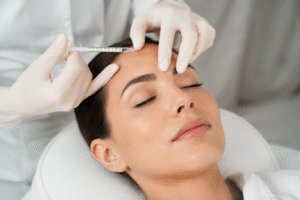
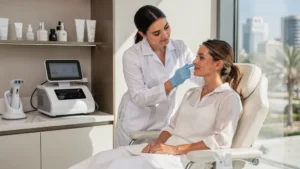
Skin peeling treatment refers to a category of clinical procedures that remove damaged outer layers of skin to reveal fresher, healthier tissue beneath. By dissolving or physically exfoliating the surface layer, these treatments trigger the skin’s natural renewal process, stimulating collagen production, clearing congestion, and correcting a range of concerns including acne, hyperpigmentation, fine lines, and uneven texture.
Whether you are dealing with persistent acne marks, dull and uneven skin tone, or early signs of ageing, the right peeling treatment can produce a visible transformation. At Modern Aestheticss, we offer a full range of skin peeling treatments tailored to your skin type, concern, and comfort level.
What Is Skin Peeling Treatment?
Chemical peeling of skin is the most widely used form of skin peeling treatment. A carefully selected chemical solution is applied to the skin surface, where it dissolves and loosens the bonds between dead, damaged, or pigmented cells and the healthy tissue beneath. As those upper layers shed over the days following treatment, the new skin that emerges is smoother, clearer, and better in tone and texture than the skin it replaced.
Beyond the surface renewal, clinical skin peeling treatment also stimulates collagen and elastin production in the deeper dermis. This secondary benefit means that results from a well-administered course of peels are not only about clearing the outer layer. They also improve skin firmness, reduce the appearance of fine lines, and gradually fill in shallow scarring from below.
The term peeling treatment also encompasses other non-chemical approaches including microdermabrasion and certain laser resurfacing protocols, all of which work by removing or remodelling the surface layer to stimulate renewal. At Modern Aestheticss, we assess each patient individually to determine which type of skin peeling treatment will produce the best outcome for their skin type and concern.
Types of Skin Peeling Treatment
The depth of a peel determines both how significant the result is and how much recovery time is involved. Choosing the right depth for your skin type and concern is the most important clinical decision, and it is one that should always be made by a qualified dermatologist or aesthetic specialist.
Superficial (Light) Peel
No downtimeUses mild acids such as glycolic acid (AHA), salicylic acid (BHA), or lactic acid to exfoliate only the outermost layer of the skin. The chemical solution is applied, left for a controlled period, then neutralised and removed. Treated skin may appear slightly flushed for a few hours. There is no visible peeling in most cases.
Best for dullness, mild congestion, minor breakouts, uneven tone, and early hyperpigmentation. Most patients can undergo a superficial skin peeling treatment every two to four weeks as part of a regular maintenance plan.
Recovery: 1 to 3 days of mild sensitivity. Suitable for most skin types and tones.
Medium-Depth Peel
5 to 10 days downtimeUses trichloroacetic acid (TCA), sometimes in combination with glycolic acid, to penetrate through the epidermis and into the upper portion of the dermis. This deeper reach produces more significant collagen stimulation and more dramatic surface renewal. Visible peeling and redness typically begin two to three days after treatment and resolve over five to ten days.
Best for acne scars, more established pigmentation, wrinkles, sun-damaged skin, and moderate skin laxity. This is one of the most widely used options for acne skin peeling treatment and pigmentation correction at Modern Aestheticss.
Recovery: 7 to 14 days. Most patients can resume normal activities and apply makeup within ten days.
Deep Peel
Several weeks recoveryUses phenol (carbolic acid) to reach the mid-dermis, producing the most dramatic anti-ageing and resurfacing results available from a chemical peel. Because of the systemic effects of phenol, deep peels are administered in sections over a session lasting up to 90 minutes and require close cardiac monitoring. Recovery involves significant redness, swelling, and peeling over several weeks.
Best for deep wrinkles, severe sun damage, and significant scarring in carefully selected patients. Deep peels are less commonly used today as fractional laser technology achieves similar results with a safer recovery profile for most people.
Recovery: 2 to 4 weeks. Requires strict post-procedure supervision and protocol.
Enzyme Peels
Enzyme-based peeling treatments use naturally derived enzymes, typically from papaya, pineapple, or pumpkin, to gently dissolve the bonds between dead skin cells without using exfoliating acids. They are gentler than acid-based peels and are suitable for sensitive skin types or as a regular maintenance option between stronger peel sessions. The results are subtler but produce a visible brightening and smoothing effect after each treatment.
What Can Skin Peeling Treatment Address?
The best skin peeling treatment for you depends entirely on your primary concern. Here is how different peeling options map to different skin issues.
Acne and Breakouts
Salicylic acid peels penetrate directly into the pore and dissolve the oil-based congestion that triggers breakouts. Regular superficial acne skin peeling treatment reduces active breakout frequency significantly over a course of sessions.
Recommended: Superficial salicylic or glycolic peel
Acne Scars
Medium-depth TCA peels stimulate collagen remodelling in the dermis, gradually raising the base of shallow atrophic scars and improving their texture from below. This makes them a strong choice for skin peeling treatment for acne scars.
Recommended: Medium TCA peel, often combined with microneedling
Hyperpigmentation
Peeling treatments clear melanin-dense surface cells and stimulate turnover to reveal more evenly toned skin. Mandelic acid is particularly effective for darker skin tones where there is a higher risk of post-inflammatory pigmentation from stronger peels.
Recommended: Glycolic, mandelic, or Jessner peel
Fine Lines and Skin Ageing
Medium-depth peels penetrate far enough to stimulate meaningful new collagen, producing a tightening and smoothing effect that reduces the visibility of fine lines and gives overall skin a firmer, more youthful quality.
Recommended: TCA peel or combination Jessner/TCA protocol
Dull or Uneven Skin Tone
A course of superficial peels removes the accumulated dead cell layer that makes skin look flat and dull. Even after the first session, most patients notice an immediate brightening effect that improves with each subsequent treatment.
Recommended: AHA or enzyme peel course
Peeling Skin on Face
Peeling skin on face treatment is sometimes used for chronic surface skin concerns including dry flaking, congested pores, and sluggish cell renewal. Very gentle enzyme or low-acid peels provide the exfoliation needed without stripping the already compromised skin barrier.
Recommended: Enzyme peel or mild lactic acid peel
Note: Chemical peels cannot remove deep, tethered acne scars or tighten significantly lax skin. For these concerns, your specialist at Modern Aestheticss may recommend subcision, microneedling, or radiofrequency treatment as part of a combination plan.
See also: Microneedling for Acne Scars at Modern Aestheticss | Subcision Treatment at Modern Aestheticss
Skin Peeling Treatment Before and After: What to Expect
Before Your Session
- Avoid retinoids for 5 to 7 days before treatment
- Do not wax, thread, or use hair removal in the area
- Stop using exfoliating acids 48 hours prior
- Inform your specialist of all current medications
- Avoid unprotected sun exposure in the week before
- Arrive with clean skin, no makeup or SPF
What Happens During the Session
- Skin is cleansed and degreased
- The selected acid solution is applied in a controlled manner
- You may feel mild warmth or tingling
- The peel is neutralised and removed after the set time
- A soothing serum and SPF are applied
- Session duration: 20 to 45 minutes depending on depth
Skin Peeling Treatment Before and After: The Results Timeline
Days 1 to 3: Skin may appear slightly pink or feel tight. Some patients notice a faint bronzing of the skin surface. Days 3 to 7 (medium peels): Visible peeling begins. The skin may feel dry and itchy as the surface layer sheds. This is normal and a sign the treatment is working. Do not pull at peeling skin. Week 2 onward: Fresh, new skin is revealed beneath. Tone is visibly more even, texture is smoother, and any targeted pigmentation appears lighter. Collagen improvements continue to develop over the following months.
Aftercare and Recovery
How well the skin heals after a peeling treatment depends significantly on the aftercare protocol followed. The advice below applies to most skin peeling treatments. Your specialist at Modern Aestheticss will provide instructions specific to the depth of peel you received.
Apply SPF 30 or higher every single morning
The new skin exposed after a peeling treatment is significantly more sensitive to UV radiation. Unprotected sun exposure during the healing period can cause post-inflammatory pigmentation and undo the results of the treatment. Daily SPF is the most critical aftercare step for any depth of peel.
Keep the skin hydrated and barrier-protected
Use a gentle, fragrance-free moisturiser or the ointment prescribed by your specialist. For medium and deep peels, petroleum jelly or a medical-grade barrier cream may be recommended to protect the healing skin and reduce peeling discomfort. Avoid anything with active ingredients including retinol, vitamin C, and exfoliating acids until the skin has fully settled.
Do not pick, peel, or rub the skin
The fastest way to heal peeling skin after a chemical peel is to allow it to shed naturally without interference. Pulling at peeling skin before it is ready breaks the skin barrier, causes inflammation, and significantly increases the risk of post-inflammatory hyperpigmentation and scarring.
Avoid heat, sweating, and swimming for 48 to 72 hours
Saunas, steam rooms, hot showers, and intense exercise that causes significant sweating can irritate treated skin and introduce bacteria into healing pores. Saltwater and chlorinated pools should also be avoided until peeling is complete.
Skin Peeling Treatment Side Effects
When performed by a trained specialist, skin peeling treatment has a very good safety profile. The vast majority of side effects are temporary and predictable, and serious complications are rare. Understanding what to expect helps you distinguish normal healing from anything that warrants follow-up contact with your clinic.
Side Effect
When It Occurs
Typical Duration
Redness and flushing
All peel depths
Hours to a few days
Visible skin peeling
Medium and deep peels
Days 3 to 10
Temporary darkening
Medium peels
Resolves with peeling
Swelling
Medium and deep peels
3 to 7 days
Increased sun sensitivity
All peel depths
Several weeks post-peel
Rarer side effects include post-inflammatory hyperpigmentation (more common in darker skin tones when peel strength is not adjusted appropriately), scarring (rare and most associated with deep peels), and infection (minimised by following post-procedure hygiene protocols). Choosing a clinic with trained specialists who understand different skin tones and peel chemistry is the most important factor in minimising risk.
See also: Chemical Peels at Modern Aestheticss
Skin Peeling Treatment Cost and Price
Skin peeling treatment cost varies depending on the type of peel, the number of sessions required, and whether the treatment is combined with other procedures. As a general guide, superficial peels are the most affordable entry point, while medium-depth peels command a higher skin peeling treatment price in line with the deeper work involved and the additional clinical expertise required.
Peel Type
Sessions Needed
Downtime
Superficial peel
4 to 6 sessions
Minimal to none
Medium-depth peel
2 to 4 sessions
7 to 14 days
Enzyme peel
Monthly maintenance
None
At your consultation at Modern Aestheticss, your specialist will confirm the recommended protocol and provide a clear and transparent breakdown of skin peeling treatment price before you commit to anything. We do not apply a one-size pricing model because the right plan for a patient with superficial dullness is very different from what a patient with established acne scarring needs.
Frequently Asked Questions
Is peeling treatment good for skin? +
Yes, when administered correctly by a trained specialist. Skin peeling treatment removes the damaged, congested outer layers of skin and triggers the body’s natural renewal process, producing improvements in tone, texture, clarity, and skin quality that would take months to develop through skincare products alone. The key is matching the right peel depth and formula to the patient’s skin type and concern.
What is the best treatment for peeling skin? +
The best skin peeling treatment depends on your skin type and primary concern. For acne and congestion, salicylic acid peels are the strongest choice. For pigmentation and sun damage, glycolic or TCA peels perform best. For sensitive or dry skin that is already peeling, a gentle enzyme or lactic acid peel provides exfoliation without stripping the barrier further. A consultation at Modern Aestheticss will identify which formulation is most appropriate for your skin.
How long do skin peel results last? +
A single superficial peel produces an immediate brightening effect that lasts two to four weeks. A completed course of four to six superficial peels produces cumulative improvement that holds for several months with good skincare maintenance. Medium-depth peel results for pigmentation and acne scarring typically last six to twelve months, with touch-up sessions available to maintain the outcome. Daily SPF use is the single most important factor in extending the longevity of any skin peeling treatment result.
What is the fastest way to heal peeling skin after a treatment? +
The fastest way to heal peeling skin on face treatment is to keep the skin consistently moisturised with a gentle barrier ointment, avoid all active ingredients until the skin has fully settled, never pick or pull at peeling sections, stay out of direct sunlight and apply SPF when going outdoors, and stay hydrated. For medium peels, cold compresses help reduce swelling in the first 48 hours. Allow the skin to shed naturally on its own timeline for the best outcome.
What are the side effects of chemical peel on face? +
Common temporary skin peeling treatment side effects include redness, tightness, sensitivity, visible skin shedding, and in medium peels, temporary swelling and mild discomfort. Temporary darkening of treated areas before the skin peels is normal. Less common side effects include post-inflammatory hyperpigmentation, particularly in darker skin tones when peel strength is not appropriately adjusted, and infection when aftercare instructions are not followed. Serious side effects are rare when treatment is performed by a qualified practitioner.
Is skin peeling treatment good for acne scars? +
Yes. Skin peeling treatment for acne scars is most effective using medium-depth TCA peels, which penetrate into the dermis and stimulate collagen remodelling around the base of shallow atrophic scars. For deeper, tethered scars, a combination approach using chemical peels alongside microneedling or subcision typically produces the most significant improvement. Your specialist at Modern Aestheticss will assess the type and depth of your scarring and recommend the most effective combination protocol.
Skin Peeling Treatment | Modern Aestheticss Dubai
Clearer, Smoother Skin
Starts at Modern Aestheticss.
Whether you are targeting acne, pigmentation, uneven texture, or early signs of ageing, our specialists will recommend the right skin peeling treatment for your skin and your goals.