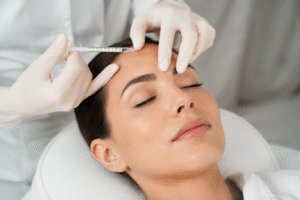
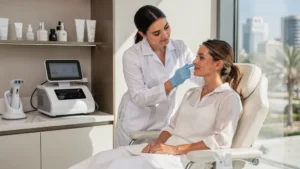
What is pigmentation on face? It is the medical term for dark spots, uneven patches, or discoloured areas that appear across the forehead, cheeks, upper lip, and nose. These marks develop when the skin overproduces melanin — the pigment that gives skin its natural colour — in localised areas. The result is hyperpigmentation: patches that are darker than the surrounding skin tone.
Pigmentation on face is one of the most common aesthetic concerns seen at clinics worldwide, and it affects all skin tones. The good news is that it is highly treatable. The key is understanding what type of pigmentation you have and choosing the right skin pigmentation treatment for it.
What Is Pigmentation on Face?
The skin produces melanin through specialised cells called melanocytes. This pigment has a primary biological function: absorbing and scattering ultraviolet radiation to protect the DNA in skin cells from UV damage. When UV exposure, hormonal changes, or inflammation push melanocyte activity beyond what is normal for a given area, excess melanin clusters together and creates a dark patch. That is skin pigmentation, also called hyperpigmentation.
Pigmentation meaning in a clinical context spans a wide range of conditions, from a single sun spot on the cheek to broad mask-like discolouration across the face. All of these conditions share the same underlying mechanism: localised overproduction of melanin.
Important note: If you notice a dark spot that is rapidly changing in size, shape, or colour, or has an irregular border, consult a dermatologist promptly to rule out any medical cause before beginning cosmetic treatment.
Types of Skin Pigmentation
Understanding which type of pigmentation on face you have determines which treatment will work fastest and most safely for your skin tone.
Sunspots (Solar Lentigines)
Also called age spots or liver spots, these are flat, well-defined brown patches that appear in areas with the most lifetime sun exposure: cheeks, nose, forehead, and the back of hands. They do not fade seasonally and worsen with continued UV exposure. Laser treatment for pigmentation and chemical peels are among the most effective options for clearing these spots.
Melasma
Melasma and pigmentation are often discussed together because melasma is one of the most stubborn and widespread forms of facial pigmentation. It presents as symmetrical, grey-brown patches across the forehead, cheeks, upper lip, and chin. It is often called the mask of pregnancy because it is strongly linked to hormonal changes, including pregnancy, hormonal contraception, and perimenopause.
UV exposure significantly aggravates melasma, making consistent SPF use both a treatment and a prevention step. Melasma requires a longer and more carefully managed treatment course than other forms of pigmentation because certain laser energies can temporarily worsen it if not calibrated correctly for the skin tone involved.
Post-Inflammatory Hyperpigmentation (PIH)
These are the flat dark marks left behind after inflammation heals. Acne is the most common trigger, making PIH particularly common in patients who have experienced breakouts on the cheeks, chin, or forehead. PIH is also caused by eczema flare-ups, cuts, burns, and over-aggressive skin treatments. It is more pronounced and longer-lasting in medium to darker skin tones. Vitamin C, niacinamide, and chemical peel for pigmentation are the first-line clinical approaches.
Freckles and Genetic Pigmentation
Freckles are small, flat spots of concentrated melanin that appear from childhood in people with certain gene variants that affect melanocyte activity. Unlike solar lentigines, freckles typically lighten during winter and darken in summer. They are not a medical concern but are a common reason people seek pigmentation removal treatment at aesthetic clinics.
Lip Pigmentation: A Special Case
Lip pigmentation is darkening of the lips that goes beyond natural skin tone. It is a distinct concern from facial pigmentation because the skin on the lips is thinner, more delicate, and does not have the same sebaceous gland structure as facial skin.
Common causes include sun exposure without lip SPF protection, smoking, hormonal fluctuations, iron or vitamin B12 deficiency, certain medications, and the use of comedogenic or drying lipstick formulations over time.
Lip Pigmentation Triggers
- Unprotected UV exposure
- Smoking and tobacco use
- Hormonal changes
- Nutritional deficiencies
- Harsh lipstick formulations
Treatment Options
- Topical vitamin C and kojic acid
- Gentle chemical exfoliation
- Q-switched laser for lip pigmentation
- Consistent lip SPF use
- Addressing nutritional deficiencies
Lip pigmentation treatment at Modern Aestheticss is tailored to the severity of darkening and the underlying cause. Laser-based treatment for lip pigmentation uses Q-switched technology at settings specifically calibrated for the delicate lip tissue, producing visible lightening over two to four sessions.
What Causes Pigmentation on Face?
UV Exposure
UV rays trigger melanocytes to produce melanin as a defence mechanism. Cumulative, unprotected sun exposure is the single largest driver of facial skin pigmentation in all its forms.
Hormonal Changes
Oestrogen and progesterone fluctuations stimulate melanocyte activity, producing melasma. Common triggers include pregnancy, the contraceptive pill, and perimenopause.
Skin Inflammation
Any inflammation — including acne, eczema, allergic reactions, or injury — triggers localised melanin production during healing, creating post-inflammatory hyperpigmentation that can persist for months.
Genetics
Genetic predisposition determines the baseline activity of your melanocytes. People with medium to dark skin tones have more active melanocytes and are more susceptible to hyperpigmentation.
Medications
Certain medications including antimalarials, chemotherapy agents, NSAIDs, and some antibiotics can cause drug-induced hyperpigmentation as a side effect, particularly with continued sun exposure.
Ageing and Sun Damage
Decades of UV exposure cause certain melanocytes to permanently overproduce, creating solar lentigines that appear on the face from the forties onward. These do not fade without active treatment.
Effective Skincare Ingredients for Pigmentation
The most effective topical ingredients for skin pigmentation treatment work by inhibiting the tyrosinase enzyme that drives melanin synthesis, accelerating turnover of melanin-dense surface cells, or doing both simultaneously. Used consistently alongside daily SPF, these form the backbone of any pigmentation management plan.
What Foods Help with Pigmentation?
A diet rich in antioxidants supports the skin’s ability to resist UV-triggered melanin overproduction. Vitamin C-rich foods including citrus fruits, bell peppers, and strawberries inhibit melanin synthesis from the inside. Green tea’s EGCG compound suppresses melanocyte activity. Turmeric’s curcumin reduces inflammatory pigmentation. These dietary choices support and extend clinical treatment results but are not a replacement for professional skin pigmentation treatment.
Clinical Pigmentation Treatments at Modern Aestheticss
For most people, topical skincare alone can fade mild pigmentation over time. But for deeper, more persistent, or more extensive skin pigmentation treatment needs, clinical procedures deliver results that are faster, more targeted, and more significant than any over-the-counter approach.
Laser Treatment for Pigmentation
Laser treatment for pigmentation and laser pigmentation removal are the most targeted clinical options available. Q-switched Nd:YAG laser delivers precise pulses of light energy at wavelengths absorbed specifically by melanin, breaking the pigment clusters apart without affecting surrounding tissue. The fragmented melanin is cleared naturally by the body over two to three weeks.
This approach is highly effective for sunspots, freckles, flat post-inflammatory marks, and lip pigmentation treatment. Melasma requires a more conservative protocol to avoid triggering a rebound pigmentation response. At Modern Aestheticss, all laser settings are calibrated individually for each patient’s skin tone and pigmentation type.
Laser pigmentation treatment — 1 to 3 sessions typically; melasma may require 4 to 6 sessions spaced 3 to 4 weeks apart.
View Laser TreatmentChemical Peel for Pigmentation
A chemical peel for pigmentation uses exfoliating acids at clinical concentrations to dissolve the surface layer of melanin-dense skin, revealing the fresher, more evenly toned skin beneath. Glycolic acid, lactic acid, mandelic acid, and salicylic acid peels are the most commonly used for pigmentation treatment.
Superficial peels brighten and refresh with no downtime and are excellent for diffuse facial pigmentation and overall uneven tone. Medium-depth peels penetrate further, addressing more stubborn sunspots, melasma patches, and post-acne marks. A course of three to six sessions spaced three to four weeks apart produces cumulative improvement.
Recommended for: melasma, sunspots, PIH, forehead pigmentation, and general skin tone correction.
View Chemical PeelsIPL Intense Pulsed Light
IPL delivers broad-spectrum light in controlled pulses to treat diffuse pigmentation across a wider area of the face in a single session. It is particularly well suited to patients with generalised sun damage, widespread freckle clusters, and redness alongside pigmentation, as it addresses multiple concerns simultaneously.
The light energy is absorbed by the melanin in pigmented cells, causing it to fragment and rise to the skin surface where it flakes away naturally over ten to fourteen days. Two to four sessions produce noticeable improvement in overall skin clarity and tone. IPL is most appropriate for lighter skin tones.
View IPL TreatmentMicroneedling with Brightening Serum
Microneedling creates thousands of precise micro-channels in the skin surface, stimulating collagen production and allowing depigmenting active ingredients such as vitamin C, tranexamic acid, and kojic acid to penetrate far deeper than topical application alone achieves.
This combination approach improves overall skin tone and brightness, reduces the intensity of existing pigmentation, and prevents new melanin from concentrating. It is particularly effective for post-inflammatory hyperpigmentation and suits a wider range of skin tones than IPL-based options. A course of four to six sessions produces the most significant result.
View MicroneedlingWhich is the best treatment for pigmentation on face?
There is no single best treatment for pigmentation on face that suits every skin type and every pigmentation concern. Q-switched laser is most effective for discrete, defined spots. Chemical peels work best for diffuse tone correction and melasma. Microneedling suits darker skin tones and PIH. A combination protocol often delivers the most comprehensive result. Your specialist at Modern Aestheticss will assess your skin, confirm the type of pigmentation present, and design the most appropriate plan for your individual situation.
Frequently Asked Questions
What is pigmentation on face and what causes it? +
What is pigmentation on face? It is the development of dark spots or patches caused by excess melanin production in localised areas of the skin. The main causes are UV exposure (which triggers melanocyte activity), hormonal changes (which produce melasma), and skin inflammation (which causes post-inflammatory hyperpigmentation from acne, eczema, or injury).
Can vitamin C remove pigmentation? +
Yes, to a meaningful degree. Vitamin C inhibits the tyrosinase enzyme that drives melanin synthesis, which slows new pigment formation and gradually brightens existing dark spots. Applied daily as a serum before SPF, it is one of the most evidence-backed topical options for managing skin pigmentation treatment at home. For deeper or more established pigmentation, vitamin C is most effective as part of a combination plan that includes professional treatment.
Does pigmentation really go away? +
Yes, significantly and in many cases completely, with the right treatment. Post-inflammatory hyperpigmentation often fades naturally over six to twelve months with consistent SPF use. Sunspots and freckles clear very effectively with laser pigmentation removal. Melasma requires the longest management course and may need periodic maintenance. New pigmentation can form with continued UV exposure, which is why daily SPF and protective habits are essential after any treatment.
What is the best treatment for pigmentation on face? +
The best treatment for pigmentation on face depends on the type and depth of pigmentation. For discrete sunspots and freckles, Q-switched laser treatment produces the clearest results. For melasma, a combination of chemical peels, topical depigmenting actives, and carefully managed laser is most effective. For PIH from acne, chemical peels and microneedling with brightening serums produce excellent results. A skin assessment at Modern Aestheticss will determine the right protocol for your specific skin.
How to remove pigmentation from face permanently? +
Existing pigmentation can be cleared significantly or completely with clinical treatments. Laser pigmentation removal, chemical peels, and microneedling all achieve this. The important caveat is that the skin’s underlying tendency to produce excess melanin in response to UV or hormonal triggers remains. Long-term results are maintained through daily broad-spectrum SPF use and ongoing topical maintenance with vitamin C, niacinamide, and retinol.
What foods help reduce pigmentation? +
Foods high in vitamin C including citrus fruits, strawberries, kiwi, and bell peppers inhibit tyrosinase and support brighter skin from within. Green tea contains EGCG which suppresses melanocyte activity. Turmeric’s curcumin reduces inflammatory pigmentation. While dietary support is genuinely beneficial, it works best as an adjunct to professional pigmentation treatment rather than as a standalone solution for established marks.
Pigmentation Treatment Clinic | Dubai
Clearer, More Even Skin
Starts at Modern Aestheticss.
Whether you are dealing with melasma, sunspots, lip pigmentation, or post-acne marks, our dermatologists will build a plan that addresses the cause and delivers results that last.
M01, NASSIMA Tower, Sheikh Zayed Road, Dubai | +971 52 113 6999