If you have been managing rosacea for a while, you already know that topical creams and avoiding triggers only go so far. The redness stays, the flushing comes back, and the visible vessels under the skin become harder to ignore. IPL treatment for rosacea has become one of the most consistently recommended clinical options for addressing exactly these vascular symptoms, and for good reason. It targets the root cause of the redness rather than just masking it.
This guide covers everything you need to know about IPL treatment for rosacea, from how it works and what to expect during sessions, to results, side effects, and what professional IPL treatment looks like at Modern Aestheticss in Dubai.
What Is IPL Treatment?
IPL stands for intense pulsed light. Unlike a traditional laser, which emits a single focused wavelength of light, IPL emits multiple wavelengths of broad-spectrum light simultaneously. This allows it to reach different layers and structures within the skin in a single pass, making it one of the most versatile non-invasive skin treatments available.
What is IPL treatment in practical terms? It is a 20 to 30 minute, non-surgical procedure that uses carefully controlled flashes of light to target and break down specific chromophores in the skin. In rosacea treatment, the primary target is haemoglobin, the protein that gives blood its red colour. In pigmentation treatment, the target is melanin. In hair removal, the target is the melanin in the hair follicle itself.
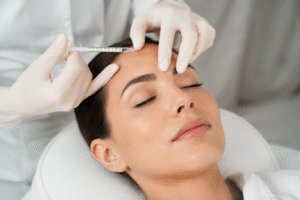
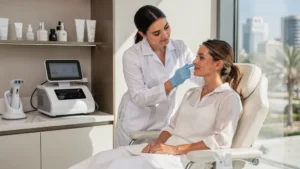
IPL face treatment produces no incisions, requires no anaesthesia, and involves minimal downtime. It is performed in a clinical setting by a trained dermatologist or skincare professional using a handheld device that emits calibrated light pulses across the treatment area.
IPL treatment is highly operator-dependent. The wavelengths, pulse duration, and energy levels must be calibrated specifically to the patient’s skin tone, condition, and treatment area. Having it performed by an experienced, medically qualified professional is essential for both safety and results.
Why IPL Works for Rosacea
Rosacea is a chronic inflammatory skin condition that primarily affects the face, producing persistent redness, visible blood vessels, and episodes of flushing that are difficult to control with skincare alone. IPL treatment for rosacea directly targets the dilated blood vessels that create this redness, rather than simply reducing surface inflammation the way topical products do.
Here is the mechanism. The light energy emitted during IPL treatment is absorbed by haemoglobin in the walls of dilated superficial blood vessels. This absorption converts to heat, which causes the vessel walls to coagulate and collapse. The body then naturally absorbs and removes the collapsed vessels over the following one to two weeks, resulting in a significant and visible reduction in redness, flushing, and visible telangiectasias (spider veins).
A secondary benefit of IPL treatment for rosacea is the thermal stimulation of collagen and elastin production in the deeper dermis. This improves overall skin texture and tone, which is often compromised in patients who have had rosacea for several years.
Persistent Facial Redness
The diffuse, background redness characteristic of rosacea responds well to IPL because the light targets the haemoglobin causing it. Multiple sessions produce progressive and cumulative reduction in the baseline redness level.
Telangiectasias (Spider Veins)
Visible dilated capillaries across the nose, cheeks, and chin are one of the most common reasons patients seek IPL treatment for rosacea. These respond very effectively to the targeted vascular action of IPL, often clearing significantly after two to three sessions.
Flushing Episodes
By reducing the overall density of reactive blood vessels in the skin, IPL treatment for rosacea also reduces the frequency and intensity of flushing episodes over time. Most patients report a noticeable reduction in flushing after completing a course of treatment.
Skin Texture and Tone
The collagen stimulation effect of IPL skin treatment improves overall skin quality in rosacea-affected areas, reducing roughness and uneven texture that often develops alongside the vascular symptoms.
Clinical studies show that IPL treatment for rosacea can clear 50 to 75 percent of visible broken vessels after a standard course of three to five sessions. Results vary depending on rosacea subtype, skin tone, and individual vascular response.
What IPL Skin Treatment Addresses
While this guide focuses on IPL treatment for rosacea, it is worth understanding the full scope of what IPL skin treatment can address, since many patients present with more than one concern at once.
Related: What Is Pigmentation on Face: Causes, Types and Treatments
Related: Laser Toning and Photofacial Treatment at Modern Aestheticss
The IPL Treatment Process: Session by Session
Understanding the full process helps set realistic expectations and ensures you get the most from each session. Here is how IPL treatment for rosacea typically unfolds at a clinical level.
Initial consultation and skin assessment
Before any IPL treatment takes place, a dermatologist reviews your rosacea subtype, skin tone, medical history, and any contraindications. Settings are determined based on your specific vascular pattern and Fitzpatrick skin type. This step is non-negotiable for safe and effective treatment.
Preparation and pre-treatment care
You will be advised to avoid sun exposure, tanning beds, and self-tanning products for four weeks before your first session. Retinol, AHA and BHA exfoliants, and any other active skincare should be paused for five to seven days beforehand. Arrive at your appointment with clean, product-free skin.
The IPL face treatment session
A cooling gel is applied to the treatment area and protective eyewear is provided. The IPL handpiece is placed against the skin and moved across the treatment area in systematic passes, delivering calibrated light pulses. Each pulse lasts a fraction of a second and the sensation is typically described as a mild snapping or warmth. A full face session takes 20 to 30 minutes.
Course of sessions
Most patients require three to five sessions of IPL treatment for rosacea, spaced three to four weeks apart, to achieve optimal results. Each session builds on the previous one as the body progressively absorbs collapsed vessels and the vascular network thins. Some patients with mild rosacea see meaningful improvement after two sessions.
Maintenance treatment
Because rosacea is a chronic condition, the vascular changes it produces can recur over time, particularly with continued sun exposure or hormonal fluctuations. Most patients benefit from one to two maintenance IPL sessions per year to keep symptoms controlled after the initial course.
IPL Treatment Before and After: What to Expect
One of the most common questions people have before committing to a course of IPL treatment is what the realistic before and after picture looks like. Here is an honest, session-by-session view.
Before IPL Treatment
- Persistent baseline facial redness that does not resolve
- Visible dilated capillaries across the nose, cheeks, or chin
- Frequent flushing episodes triggered by heat, exercise, or food
- Uneven skin tone with rosacea-affected areas appearing significantly redder than surrounding skin
- Limited response to topical rosacea treatments
After IPL Treatment Course
- Significant reduction in baseline facial redness, often 50 to 75 percent
- Visible spider veins cleared or substantially reduced
- Less frequent and less intense flushing episodes
- Improved overall skin clarity and more even tone
- Better skin texture from collagen stimulation
Initial visible changes after a single IPL treatment session can appear within one to two days as superficial vessels begin to collapse. Over the following two weeks, the skin progressively clears as the body absorbs treated vessels. The most dramatic improvement in IPL treatment before and after comparisons typically comes after the second and third sessions.
How long do IPL results last on face? For most rosacea patients, the vascular improvements from a full course of IPL treatment last 12 to 18 months before maintenance is needed. Results last longer when patients consistently use broad-spectrum SPF daily and avoid known rosacea triggers.
After IPL Treatment: Aftercare and Recovery
What happens after IPL treatment matters as much as the session itself. Following the correct aftercare protocol protects your results, minimises side effects, and prevents new pigmentation from forming.
Sun protection is non-negotiable
The skin is significantly more photosensitive after IPL treatment. Apply a broad-spectrum SPF 50 sunscreen every morning and reapply every two hours when outdoors. Avoid direct sun exposure for at least two weeks after each session. In Dubai’s climate, this is particularly important year-round.
Avoid heat sources
For the first 48 to 72 hours after IPL face treatment, avoid saunas, steam rooms, hot baths, vigorous exercise, and hot beverages. Heat causes vasodilation, which can aggravate redness and swelling in the treated area and interfere with the vessel-coagulation process.
Use gentle skincare only
Switch to a mild, fragrance-free cleanser and a plain moisturiser for the first five to seven days after each session. Avoid retinol, AHAs, BHAs, vitamin C serums, and any exfoliating treatments until the skin has fully settled. Your dermatologist will advise when it is safe to reintroduce actives.
Do not pick treated skin
After IPL treatment for pigmentation, dark spots may temporarily darken before they flake away naturally. After vascular IPL for rosacea, some vessels may appear slightly more visible for a day or two before clearing. Allow the natural process to occur without interference.
Mild redness, a sensation similar to mild sunburn, and minor swelling for 24 to 48 hours after each session are all normal and expected. If you experience blistering, significant swelling, or any reaction that feels disproportionate, contact your treating clinic promptly.
Side Effects and Who Should Avoid IPL
IPL treatment is considered safe when performed correctly by a trained professional on suitable candidates. Understanding the potential side effects and contraindications helps you make an informed decision.
Common and Expected Side Effects
- Mild redness and warmth for 24 to 48 hours post-treatment
- Minor swelling, particularly around the eyes and cheeks
- Temporary darkening of pigmented spots before they flake away
- Skin feeling slightly tender or sunburn-like for one to two days
- Light crusting in areas of concentrated pigmentation (resolves in 5 to 7 days)
Who Should Avoid IPL Treatment
- Patients who are pregnant or breastfeeding
- Anyone with a recent tan, active sunburn, or self-tanner on the skin
- Patients on photosensitising medications including certain antibiotics and retinoids
- Those with a history of keloid scarring or skin sensitivity disorders
- Patients with very dark skin tones (Fitzpatrick V to VI) where standard IPL carries a higher risk of burns or hyperpigmentation
- Anyone with active skin infections or open wounds in the treatment area
IPL treatment is not suitable for all skin tones. Patients with medium to dark skin tones require a specialist assessment before treatment, as the broader light spectrum of IPL can affect melanin in the skin as well as in the target vessels. In some cases, Q-switched laser treatment is a safer alternative for darker skin tones. At Modern Aestheticss, all patients undergo a thorough pre-treatment skin assessment.
IPL vs Laser Treatment for Rosacea
Patients researching rosacea treatment in Dubai often encounter both IPL and laser options and want to understand the difference. Both are effective but they work differently and suit different patient profiles.
Pulsed dye laser (PDL) is often described as the traditional gold standard for vascular rosacea because it emits a single wavelength specifically absorbed by haemoglobin, making it highly precise for isolated vessel treatment. However, IPL laser treatment offers a broader treatment effect in the same session, addressing pigmentation, overall skin tone, and collagen alongside the vascular component. The right choice depends on the individual patient’s rosacea presentation, skin tone, and treatment goals.
At Modern Aestheticss, the dermatologist assesses each patient individually and recommends the most appropriate technology and protocol based on the specific combination of concerns.
IPL Treatment in Dubai at Modern Aestheticss
Modern Aestheticss offers IPL treatment in Dubai as part of a specialist dermatology service led by our DHA-licensed dermatologist Dr. Shubhangi Parkar. All IPL sessions are carried out using clinical-grade equipment with settings calibrated individually for each patient’s skin tone, rosacea subtype, and treatment goals.
IPL Treatment for Rosacea
Our rosacea IPL treatment protocol targets persistent facial redness, visible telangiectasias, and flushing using intense pulsed light calibrated for vascular action. Most patients complete a course of three to five sessions spaced three to four weeks apart, with visible improvement beginning after the first session. Maintenance sessions are available annually to keep rosacea symptoms controlled long-term.
Session time: 20 to 30 minutes. Downtime: minimal. Sessions needed: 3 to 5 for a full course.
View IPL and Photofacial TreatmentIPL Treatment for Pigmentation
For patients with sun damage, age spots, or uneven skin tone alongside rosacea, IPL treatment for pigmentation can address both concerns in the same course. The broad-spectrum light targets melanin in pigmented cells as well as haemoglobin in dilated vessels, making it one of the most efficient multi-concern treatments available.
Recommended for: combined rosacea and pigmentation, diffuse sun damage, and overall skin tone correction.
IPL treatment cost in Dubai
IPL treatment Dubai price varies depending on the area treated, the number of sessions required, and whether combination treatments are included in the plan. At Modern Aestheticss, a dermatologist consultation provides a personalised treatment plan with a clear cost outline before any commitment is made. Contact us on +971 52 113 6999 or book online to enquire about current IPL treatment cost.
Frequently Asked Questions
Does IPL really work for rosacea? +
Yes. IPL treatment for rosacea is one of the most clinically well-supported non-invasive options for managing the vascular symptoms of the condition. It works by targeting haemoglobin in dilated blood vessels, causing them to collapse and be naturally absorbed by the body. Clinical data consistently shows 50 to 75 percent reduction in visible vessels and overall redness after a standard course of three to five sessions. It does not cure rosacea, which is a chronic condition, but it substantially controls the symptoms and reduces their impact on daily life.
How many sessions of IPL do you need for rosacea? +
Most patients require three to five sessions of IPL treatment for rosacea to achieve optimal results, with sessions spaced three to four weeks apart. Patients with mild rosacea may see meaningful improvement after two sessions. Those with more extensive vascular networks or deeper flushing may need the full five sessions. After the initial course, one to two maintenance sessions per year keep results consistent over time.
How long after IPL does rosacea go away? +
Initial visible improvement often appears within one to two days of the first session as superficial vessels begin to collapse. The most significant results typically become visible two to three weeks after each session, once the body has fully absorbed the treated vessels. A full course of treatment produces cumulative results over two to three months, with the most noticeable before and after change visible after the second or third session.
How long do IPL results last on the face? +
For most patients, the vascular improvements from IPL treatment for rosacea last 12 to 18 months before maintenance becomes necessary. Results last longer when patients consistently protect the skin with broad-spectrum SPF daily, avoid known rosacea triggers such as heat, alcohol, and spicy food, and attend annual maintenance sessions. Rosacea is a chronic condition, so ongoing management is part of any long-term treatment plan.
What are the side effects of IPL? +
Common and expected side effects after IPL treatment include mild redness, warmth, and minor swelling for 24 to 48 hours, similar to a mild sunburn. Pigmented spots may temporarily darken before flaking away naturally over five to seven days. Less common side effects, usually associated with incorrect settings or operator error, include blistering, burns, and post-inflammatory hyperpigmentation. These risks are significantly reduced when treatment is carried out by an experienced, medically qualified professional using correctly calibrated equipment.
What is the best permanent treatment for rosacea? +
Rosacea cannot be permanently cured as it is a chronic skin condition. However, IPL treatment for rosacea offers the most effective long-term control of the vascular symptoms, including persistent redness, visible capillaries, and flushing. When combined with a consistent daily skincare routine, broad-spectrum SPF, and avoidance of personal rosacea triggers, a course of IPL followed by annual maintenance sessions is as close to long-term management as current rosacea treatment in Dubai can offer.
Can IPL permanently remove hair? +
Intense pulsed light hair removal works by targeting melanin in the hair follicle, damaging it sufficiently to inhibit regrowth. It produces long-term hair reduction rather than permanent removal in the strictest sense, as some follicles can regenerate over time. Multiple sessions are required to catch follicles at different stages of the growth cycle, and periodic maintenance sessions may be needed to address any regrowth. It is most effective on darker hair against lighter skin tones.
Is IPL treatment near me available in Dubai? +
Yes. IPL treatment is available at Modern Aestheticss, located at M01, NASSIMA Tower, Sheikh Zayed Road, Dubai. Our clinic offers IPL for rosacea, IPL treatment for pigmentation, and intense pulsed light hair removal, all performed using clinical-grade equipment under the supervision of our DHA-licensed dermatologist. Contact +971 52 113 6999 or book an appointment online to discuss the right treatment for your skin.