If you have been dealing with dark spots, uneven skin tone, or stubborn pigmentation that no moisturiser or serum seems to shift, chances are melanin is at the centre of the conversation. It is the pigment that gives your skin its colour, and when it behaves the way it is supposed to, it is one of the most impressive protective mechanisms in the human body. When it overproduces or concentrates unevenly, it is responsible for the patches, spots, and dullness that bring so many people to an aesthetic clinic.
Understanding how to reduce melanin in skin starts with understanding what melanin actually is, what controls it, and why certain approaches work where others do not. This guide covers all of it, from the biology to the best clinical treatments available at Modern Aestheticss.
What Is Melanin in Skin?
Melanin is the natural biological pigment responsible for the colour of human skin, hair, and eyes. It is produced by specialised cells called melanocytes, which are distributed throughout the deepest layer of the epidermis. Every person, regardless of skin tone, has roughly the same number of melanocytes. What differs between individuals is how much melanin those cells produce and how it is distributed across the skin.
The primary evolutionary function of melanin in skin is protection. When the skin is exposed to ultraviolet radiation from the sun, melanocytes respond by ramping up melanin production. The melanin absorbs and scatters the UV rays, shielding the DNA in underlying skin cells from the kind of damage that, over time, can contribute to premature ageing and more serious skin conditions. The visible result of this process is what we call a suntan.
The more melanin the skin produces, the darker its natural colour. People with very high melanin concentrations have deep brown or black skin. People with lower concentrations have lighter skin and are more prone to burning rather than tanning when exposed to the sun.
The Two Types of Melanin
The colour variations seen across different people and skin features are determined by two primary forms of melanin in skin:
Eumelanin provides brown and black hues. Higher concentrations of eumelanin result in darker skin, black or brown hair, and dark eyes. It is highly effective at absorbing and scattering UV light, making it the most protective form of melanin. People with higher eumelanin levels tend to have greater natural sun protection built in.
Pheomelanin produces yellow, red, and copper tones. It is primarily responsible for red hair, the distinct pinkish tones of lips, and the pigment that forms in freckles. Pheomelanin is less effective at UV protection than eumelanin, which is why people with red hair and lighter skin tend to burn more easily in the sun.
In most people, both types are present in varying ratios, and it is this ratio rather than any single factor that determines overall skin, hair, and eye colour.
Why Does Melanin Become a Problem?
Melanin is not inherently a problem. It is when the body produces too much of it in certain areas, or distributes it unevenly, that visible pigmentation concerns arise. This condition is called hyperpigmentation, and it has several distinct triggers.
Sun exposure is the most significant driver. UV radiation stimulates melanocytes to increase production, and years of cumulative exposure cause those cells to become overactive in certain zones, producing dark spots, age spots, and uneven patching across the face, hands, and other sun-exposed areas.
Hormonal changes trigger a specific and often stubborn form of melanin overproduction called melasma. This appears as grey-brown patches across the forehead, cheeks, and upper lip, and is commonly seen during pregnancy, while using hormonal contraception, or around the time of perimenopause.
Post-inflammatory hyperpigmentation occurs when skin that has been inflamed by acne, eczema, or physical injury heals and leaves behind a darker patch in the affected area. This is particularly common and often more persistent in people with medium to darker skin tones.
Ageing contributes to melanin clustering over time. Solar lentigines, commonly called age spots or liver spots, form on areas that have seen the most lifetime UV exposure and are a common concern from the forties onward.
Stress and hormonal imbalance also play a role. High cortisol levels trigger inflammation in the skin, which in turn can stimulate excess melanin production. Poor sleep compounds this further, as the skin’s overnight repair processes are disrupted when rest is insufficient.
Understanding which type of hyperpigmentation is present is important before choosing a freckles treatment or pigmentation protocol, as the underlying causes and the most appropriate interventions differ meaningfully between them.
How to Reduce Melanin: A Layered Approach
The most effective strategy for how to decrease melanin in skin combines consistent sun protection, targeted skincare ingredients, dietary support, and, where needed, professional clinical treatment. Each layer addresses a different part of the process.
Sun Protection: The Foundation of Everything
This is not optional, and it is not just for fair skin. Anyone dealing with hyperpigmentation who is not applying broad-spectrum SPF 30 or higher every morning is working against their own treatment. UV radiation is the primary trigger for melanin overproduction, and without daily SPF, the skin will keep producing more pigment regardless of what is being applied or done clinically.
Apply sunscreen every morning as the last step before going out, and reapply every two hours when spending time outdoors. Wearing wide-brimmed hats and UV-protective clothing during peak sun hours between 10am and 4pm significantly reduces the UV load reaching the skin.
Topical Skincare: How to Control Melanin at the Surface
The key mechanism in how to reduce melanin through topical skincare is inhibiting the enzyme tyrosinase. Tyrosinase is the enzyme that drives melanin synthesis. Ingredients that block or slow tyrosinase activity directly reduce the amount of melanin the skin produces, and when combined with ingredients that accelerate surface cell turnover, the result is a measurable reduction in visible pigmentation over time.
Vitamin C is one of the most well-established and widely used tyrosinase inhibitors in skincare. Applied as a serum in the morning, it blocks melanin synthesis at a key step in the process, provides antioxidant protection against UV-induced oxidative damage, and gradually brightens the complexion. It also works synergistically with SPF, enhancing sun protection when used together.
Kojic acid is derived from certain fungi and is another strong tyrosinase inhibitor. It is particularly effective for brightening darker spots and works well as part of a targeted treatment for post-inflammatory hyperpigmentation or stubborn sun spots.
Azelaic acid inhibits melanin production and has the added benefit of being anti-inflammatory, making it especially useful for people whose pigmentation is linked to acne or rosacea. It is well tolerated by most skin types, including sensitive skin.
Retinoids work by accelerating cell turnover, pushing melanin-rich cells off the skin’s surface more quickly and replacing them with fresh, more evenly pigmented cells. Retinol is available over the counter; stronger prescription retinoids are available through a dermatologist or aesthetic specialist.
Alpha hydroxy acids including glycolic acid and lactic acid exfoliate the surface layer of the skin, breaking down the bonds holding pigmented dead cells to the surface and revealing the clearer skin beneath. They work well as a weekly treatment or in a low-strength daily formulation.
Hydroquinone is considered the gold standard clinical-strength depigmenting agent. Used in 2 to 4 percent concentrations under medical supervision, it directly reduces melanin production and is particularly effective for melasma and deep post-inflammatory marks. It is not recommended for unsupervised long-term use.
Tranexamic acid and niacinamide are newer additions to the depigmenting toolkit that have gained significant clinical backing. Tranexamic acid interrupts the signalling between melanocytes and surrounding skin cells that triggers excess production. Niacinamide reduces the transfer of melanin from melanocytes to surface cells, brightening the complexion without directly disrupting melanin synthesis itself.
Melanin Rich Foods and Diet: Supporting Skin from Within
A nutrient-dense diet rich in antioxidants helps counteract the free radical activity that triggers excess melanin production and contributes to visible skin ageing.
Vitamin C-rich foods including citrus fruits, bell peppers, kiwi, strawberries, and tomatoes support the same tyrosinase-inhibiting effect internally that topical vitamin C provides externally. Regular consumption of these foods supports a brighter, more even complexion over time.
Green tea contains a compound called EGCG (epigallocatechin gallate) that has been shown to suppress melanocyte activity and reduce UV-triggered melanin production. Drinking two to three cups daily provides a meaningful level of antioxidant support.
Turmeric contains curcumin, which has been studied for its ability to suppress melanin synthesis and reduce inflammatory pigmentation. Adding turmeric to food or taking it as a supplement is a widely used natural support measure in Ayurvedic skincare traditions.
Vitamin E found in nuts, seeds, avocado, and olive oil works synergistically with vitamin C to neutralise free radicals before they can trigger melanocyte activity. It also supports the skin barrier, which plays a role in keeping inflammation under control.
A note on melanin rich foods: while some searches ask how to increase melanin for tanning or hair colour purposes, the foods above primarily support balanced melanin regulation rather than targeted increases. The body regulates melanin production through genetics and UV exposure more than diet, but antioxidant-rich nutrition supports overall skin health and resilience.
Professional Treatments: How to Decrease Melanin in Skin Most Effectively
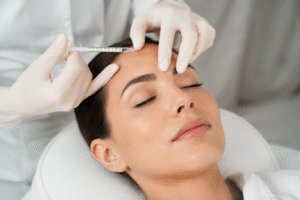
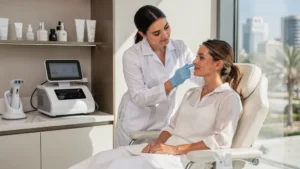
When topical products alone are not producing sufficient results, or where pigmentation is deep-seated, persistent, or extensive, professional clinical treatments at Modern Aestheticss offer significantly more targeted and impactful results.
Laser pigmentation treatment is the most precise method for reducing concentrated melanin deposits. Q-switched Nd:YAG and fractional lasers target melanin directly with wavelengths absorbed specifically by the pigment, fragmenting the melanin clusters without affecting surrounding tissue. The body then removes the fragmented pigment naturally. Results are visible within two to three weeks of treatment and most patients see significant clearing within two to four sessions.
IPL intense pulsed light delivers broad-spectrum light to diffuse pigmentation across a wider area of the face, making it well suited to treating overall sun damage, diffuse freckling, and general uneven tone rather than individual spots. Two to four sessions typically produce a notable improvement in skin clarity and evenness.
Chemical peels remove the surface layers of melanin-concentrated skin using exfoliating acids, revealing fresher, more evenly toned skin beneath and stimulating collagen production in the process. Superficial peels brighten and refresh; medium-depth peels address more persistent pigmentation. A course of three to six sessions spaced three to four weeks apart produces cumulative improvement.
Microneedling with brightening serum infusion combines the collagen-stimulating effect of controlled micro-injuries with the deep delivery of depigmenting actives including vitamin C, tranexamic acid, and kojic acid directly into the dermis. This approach is particularly effective for post-inflammatory hyperpigmentation and suits a wider range of skin tones than laser-based options.
Conditions Related to Melanin: When to Seek Specialist Advice
Some melanin-related conditions go beyond cosmetic concern and warrant a proper clinical assessment before treatment is initiated.
Albinism is a rare inherited genetic condition where the body produces little to no melanin, resulting in very light skin, hair, and eyes along with significantly increased sensitivity to UV radiation. Management focuses on rigorous sun protection and eye care rather than melanin manipulation.
Vitiligo is an autoimmune condition where melanocytes are progressively destroyed, creating patches of depigmented skin. Treatment is complex and different from standard hyperpigmentation approaches, requiring specialist management.
Melasma is one of the most common melanin-related concerns seen in clinic, particularly in South Asian and Middle Eastern skin tones. It requires a careful, multi-pronged treatment approach and close attention to hormonal triggers.
A proper consultation at Modern Aestheticss will assess the type and depth of pigmentation present before recommending any treatment, ensuring the approach is appropriate and safe for your specific skin type and concern.
An Important Note: What Melanin Reduction Can and Cannot Do
It is worth being clear about the limits of treatment. Melanin is determined by genetics at a fundamental level, and no treatment permanently removes the body’s capacity to produce it. What clinical treatment and consistent skincare can do is significantly reduce existing pigmentation, slow overactive melanocyte activity, and prevent new pigment from forming when combined with diligent sun protection.
The patients at Modern Aestheticss who see the most sustained results are those who combine professional treatment with a daily SPF habit and a skincare routine that keeps melanin production in check. The clinical treatment does the heavy lifting. The daily habits keep the results stable.
Start Your Pigmentation Journey at Modern Aestheticss
Whether you are managing stubborn age spots, post-acne marks, melasma, or general uneven tone, the team at Modern Aestheticss will assess your skin thoroughly, identify the underlying cause of your pigmentation, and build a treatment plan that addresses it at the right level.
Book your pigmentation consultation at Modern Aestheticss today and take the first step toward clearer, more even skin you feel genuinely confident in.
Tags: how to reduce melanin, melanin skin, how to control melanin, what is melanin, melanin rich foods, how to decrease melanin in skin, how to increase melanin, increase melanin, what is melanin in skin, melanin in skin, pigmentation treatment Kerala, skin brightening clinic, hyperpigmentation treatment