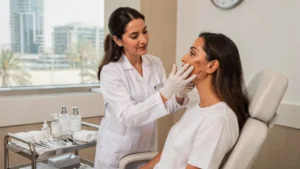
A Chemical Peel for Hyperpigmentation is a dermatologist-led treatment that gently removes the dull, damaged surface layers of skin to help fade dark patches and uneven tone. It works by accelerating cell turnover so newer, clearer-looking skin comes to the surface over the following days and weeks.
In Dubai, pigmentation is one of the most common concerns because strong UV exposure, heat, and frequent inflammation from acne or hair removal can trigger dark marks easily. In this guide, you will learn the real benefits of peels, the most common peel types (and who they are best for), how to judge results and timing, and what your appointment experience and aftercare typically look like at Modern Aestheticss Dermatology and Laser Clinic.
Why hyperpigmentation happens (and why it can linger)
Hyperpigmentation simply means an area of skin produces more melanin than the surrounding skin, creating a patch or spot that looks darker. In Dubai, the most frequent triggers we see are:
- Sun exposure (even short daily exposure adds up)
- Hormonal changes (often seen with melasma)
- Acne breakouts, picking, or harsh “active” products
- Friction (for example, around the mouth or jawline)
- Heat and inflammation after certain procedures
One very common type is post inflammatory hyperpigmentation, where a dark mark remains after a pimple, rash, or irritation has healed. The inflammation is gone, but the pigment “memory” stays, especially if the skin is exposed to sunlight during healing.
Benefits of a Chemical Peel for Hyperpigmentation
When done with the right peel depth and the right preparation, peels can be a high-impact way to improve tone without changing your facial features (which is why many people choose them before stepping into injectables or devices).
Key benefits many patients notice:
- Brighter overall tone and more even-looking skin
- Faster fading of stubborn marks from acne and sun exposure
- Smoother texture and less “rough” makeup application
- Better glow because dead, compacted surface cells are reduced
Just as importantly, peels can be strategically planned. A skilled dermatologist can adjust strength, layering, and spacing based on your skin tone, sensitivity, and lifestyle, which matters a lot in Dubai’s climate.
If you are new to peels, start with our in-depth overview of a chemical peel.
Types of chemical peels used for pigmentation (simple breakdown)
Not all peels are meant to “peel dramatically.” In fact, many of the most popular modern protocols focus on gradual, controlled improvement.
Superficial peels (low downtime)
These target the outermost layer of skin and are often chosen for first-timers, sensitive skin, or maintenance.
Medium-depth peels (stronger correction)
These go deeper and can create more visible peeling, but they can also deliver bigger improvements for stubborn discoloration when used appropriately.
Deep peels (select cases only)
Deep peels are not a casual treatment and are not the first choice for many pigmentation concerns in high-UV environments. They require strict planning and aftercare.
Here is a practical comparison patients find helpful:
| Peel depth | Best for | Typical downtime feel | Notes for pigmentation-prone skin |
|---|---|---|---|
| Superficial | Early sun damage, mild uneven tone, light acne marks | Mild dryness, light flaking | Often preferred as a “starter” approach for gradual brightening |
| Medium | More stubborn patches, mixed texture + tone concerns | Visible peeling for several days | Needs strict sun protection and careful dermatologist selection |
| Deep | Select severe cases | Longer recovery | Not commonly the first-line option for everyday pigment concerns in Dubai |
How dermatologists choose the right peel (not just “strongest”)
Many people search for the best chemical peel for hyperpigmentation, but the truth is that “best” depends on what caused your pigment, where it sits in the skin, and how reactive your skin is.
At Modern Aestheticss Dermatology and Laser Clinic, your plan typically starts with identifying the pigment pattern (sunspots vs melasma vs acne marks) and your risk of rebound darkness. For example, if your main concern is post inflammatory hyperpigmentation from acne marks, the strategy often focuses on reducing inflammation first, then brightening safely, then maintaining.
Also, if you are trying to pick the best chemical peel for hyperpigmentation for your skin tone, it is not just about the peel brand or acid name. It is about the protocol: pre-peel preparation, the number of layers, timing, and post-care.
When acne scars and pigmentation happen together
In real life, many patients do not have “only pigmentation.” They have pigmentation plus enlarged pores, texture, and acne scarring.
If this is you, you are probably looking for the best chemical peel for acne scars and hyperpigmentation. A peel can help discoloration and mild texture, but deeper scars often need collagen-stimulating treatments.
That is why combination plans are trending in 2025 to 2026: a peel for tone, and a collagen treatment for texture. Depending on what your dermatologist sees, you may be guided toward options like RF Microneedling or Laser Skin Rejuvenation in a staged protocol.
If scars are your main priority, explore our dedicated guide on acne scar removal. And if you are planning for a big event, this page on acne treatment before wedding can help you time treatments safely.
Chemical peel treatment Dubai: what to expect (step-by-step)
A well-planned chemical peel treatment Dubai appointment is usually straightforward, but the details matter.
1) Consultation and plan
Your dermatologist reviews your pigmentation type, sensitivities, recent products (especially retinoids), recent sun exposure, and any upcoming travel or outdoor plans.
2) Pre-peel prep (often underestimated)
For many patients, prepping the skin barrier and controlling irritation is the difference between a smooth recovery and a flare-up. This is especially important if you are prone to post inflammatory hyperpigmentation.
3) Treatment day
During a chemical peel treatment Dubai visit, you can expect cleansing and degreasing, then the peel application (you may feel warmth, tingling, or stinging). Your dermatologist times the peel and neutralizes it if needed.
4) The first week after
After a chemical peel treatment Dubai session, your skin may look tight, slightly red, and then start to flake. This is normal for many protocols. The goal is controlled renewal, not aggressive irritation.
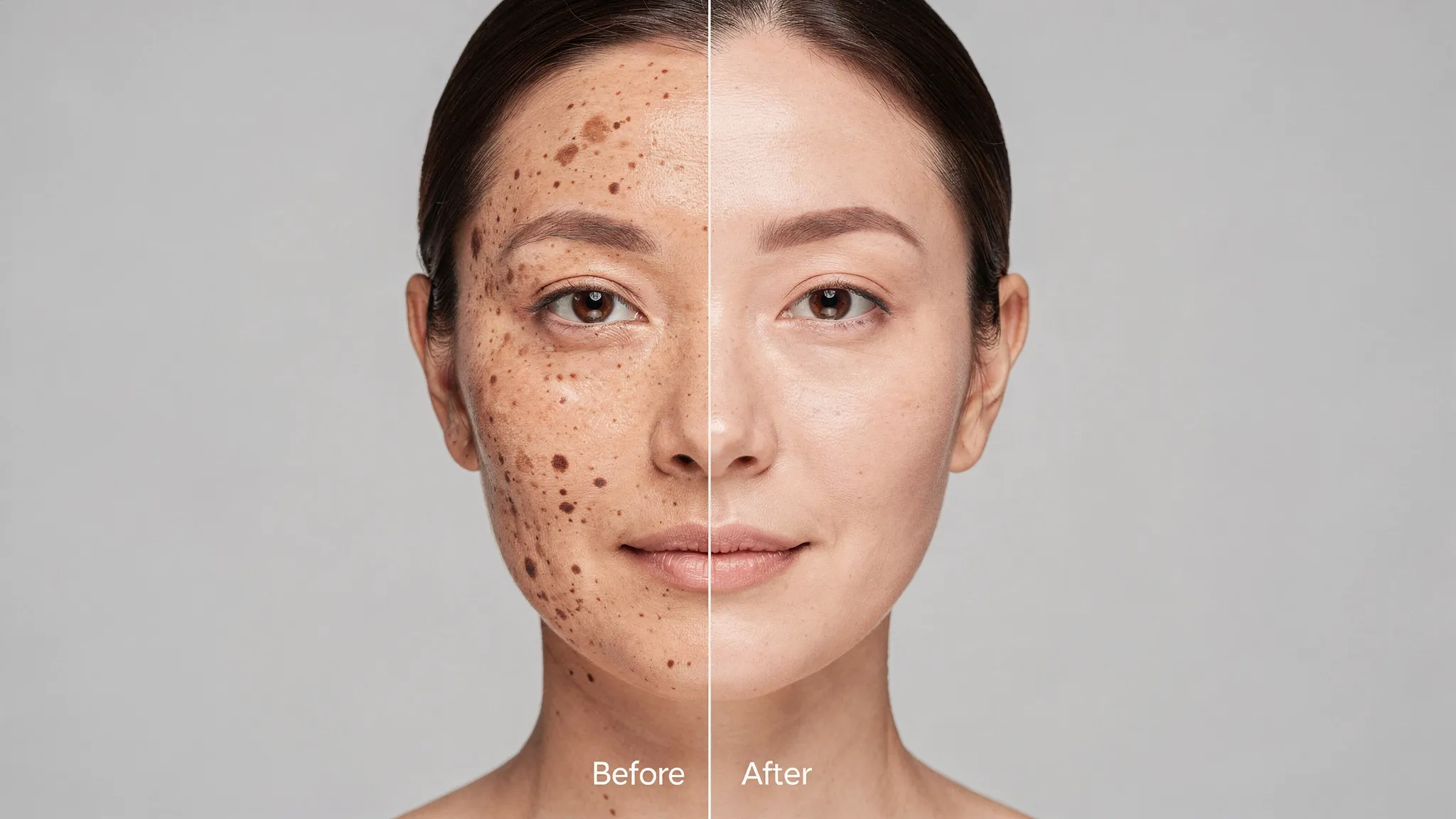
Chemical peel for hyperpigmentation before and after: what “real results” look like
Searching chemical peel for hyperpigmentation before and after photos online can be inspiring, but it can also be misleading if lighting, makeup, filters, or different angles are involved.
A realistic way to think about chemical peel for hyperpigmentation before and after changes is in phases:
- Week 1: surface brightness and smoother feel (often subtle)
- Weeks 2 to 6: more noticeable fading of uneven tone and patchiness
- After a series: better blending of marks with overall tone, not “perfect porcelain”
A strong tip: take your own chemical peel for hyperpigmentation before and after photos in the same spot, same lighting, same time of day, with no makeup. This is the easiest way to track improvement without guessing.
Peel vs other options: smart combinations (Dubai trend)
Peels are powerful, but they are not the only tool. A strategic plan often mixes treatments that do different jobs:
- For lifting and collagen stimulation: HIFU (High-Intensity Focused Ultrasound) can be paired in a separate timeline from peels.
- For texture and pores: Microneedling or RF microneedling supports collagen remodeling.
- For expression lines: Botox can refresh the upper face without affecting pigment.
- For volume and wrinkle smoothing (liquid facelift): Dermal Fillers can restore structure while you work on tone with peels.
- For overall firmness: consider a dedicated Skin Tightening plan.
If you are still comparing and want the best chemical peel for acne scars and hyperpigmentation, ask your dermatologist a direct question: “Which part of my concern is pigment, and which part is texture?” Pigment responds well to brightening strategies, texture often needs collagen remodeling.
Safety and aftercare basics (keep it simple)
The most common reason pigment returns is not that the peel “did not work.” It is usually UV and heat exposure after treatment, or using harsh products too soon.
A simple aftercare checklist:
- Use a gentle cleanser and barrier-repair moisturizer
- Avoid scrubs, strong acids, and retinoids until your dermatologist allows
- Wear high-protection sunscreen daily and reapply if outdoors
- Avoid saunas, very hot showers, and heavy workouts for a short period if advised
This matters even more for patients prone to post inflammatory hyperpigmentation, because irritation can trigger new darkness.
Why dermatologist-led peeling matters in Dubai
In a high-UV city, peel choice and timing should be medical, not casual. At Modern Aestheticss Dermatology and Laser Clinic, treatments are planned by dermatologists with a focus on skin safety and natural-looking improvement.
If you are looking for the best chemical peel for hyperpigmentation, book a consultation with Dr. Shubhangi Perkar, often recognized by patients as a Best Dermatologist in Dubai for personalized aesthetic planning. Your peel can also be coordinated with other needs, including pigmentation correction, acne plans, and even technology-based hair reduction (including CLARITY II) when relevant.
Frequently Asked Questions
How many sessions are usually needed for pigmentation improvement? Most people need a series because pigment often sits in layers. Your dermatologist will recommend the number of sessions based on the type and depth of discoloration.
Is peeling supposed to be heavy and obvious? Not always. Many modern protocols aim for controlled renewal with mild flaking and gradual brightening, especially for busy schedules in Dubai.
Can peels help if I have both acne marks and scars? Yes, but marks and scars are different. Marks are pigment, scars are texture. Many patients do best with a combined plan, and this is why the best chemical peel for acne scars and hyperpigmentation is often part of a broader protocol.
When will I see visible results? Some people see brightness within a week, but more meaningful tone changes often appear over several weeks, especially when treating uneven patches.
Can I do a peel close to a wedding or major event? Timing matters. If you are planning for photos, speak with your dermatologist early so your treatment and recovery window are comfortable.
What should I avoid right after a peel? Avoid harsh actives, scrubs, and unnecessary heat or sun exposure. Your dermatologist will give a simple, personalized do-and-don’t plan.
Ready to treat hyperpigmentation with a plan (not guesswork)?
If you want clearer, more even-toned skin with a protocol designed for Dubai weather and your exact pigment type, book a consultation at Modern Aestheticss Dermatology and Laser Clinic with Dr. Shubhangi Perkar. You will get a personalized strategy that can include peels, collagen-stimulating treatments, and maintenance options that fit your lifestyle.