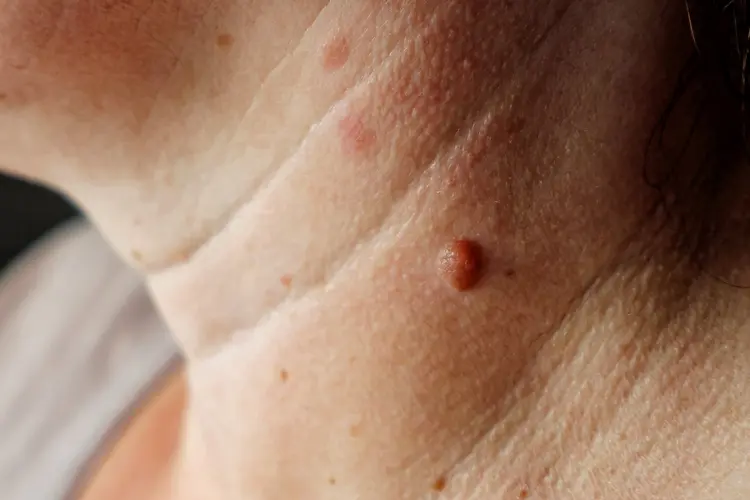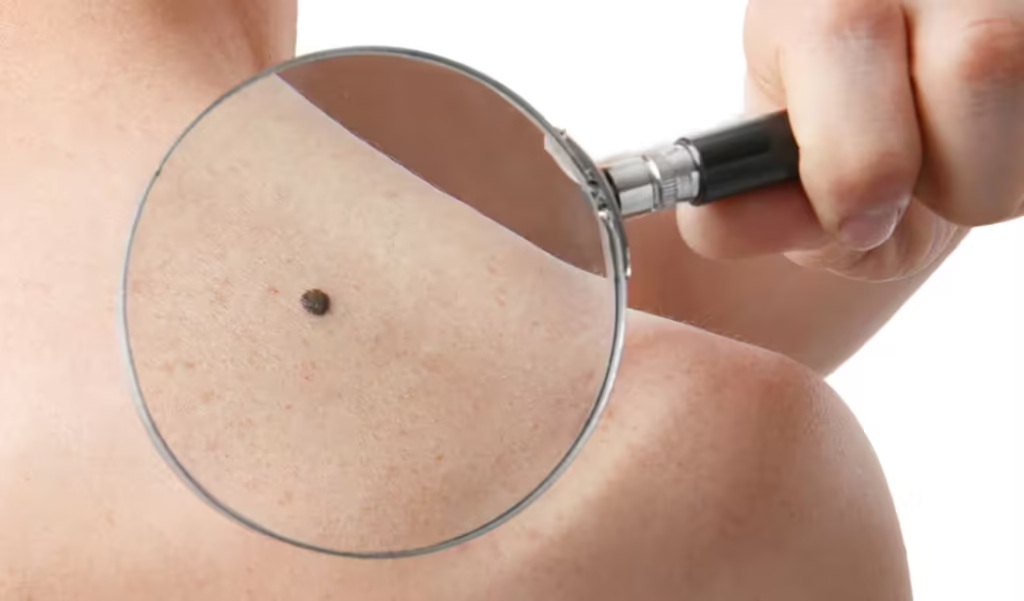
A mole is a common skin growth that appears as a small, pigmented spot or raised bump. Moles can be congenital or develop over time due to sun exposure, genetics, or hormonal changes. While most are benign, some may require medical evaluation.
Understanding Moles
Typical mole features can include:
Shape: round or oval, often symmetrical
Borders: smooth and clear, sometimes softly blending into surrounding skin
Color: tan, brown, dark brown, or black, and sometimes multiple shades within one mole
Texture: flat, slightly raised, or more prominent and “fleshy”
What Are The Symptoms?
Dark brown, black, or flesh-colored spots
Raised, flat, or slightly textured surfaces
Irregular borders or color variations (seek evaluation if sudden changes occur)
• Wound care instructions and follow-up • Sun protection to avoid pigmentation • Monitoring for regrowth
Who Is a Good Candidate?
You have a mole that bothers you cosmetically
Your mole gets irritated by clothing, shaving, or daily friction
You want a professional opinion on a mole’s appearance, even if you are not sure about removing it
During consultation, your dermatologist will help you understand whether your mole is suitable for laser treatment for moles or whether another method would offer a safer or more predictable result.
What to Expect from the Procedure
Most mole removals start the same way: with a consultation. Your dermatologist examines the mole, asks about how long it has been there and whether it has changed, and checks the surrounding skin. If you have multiple moles and want a more proactive approach, you can also ask about tracking and documentation options (for example, structured skin monitoring). For patients who want long-term monitoring alongside treatment planning, you may find it helpful to read about mole mapping.
Once the plan is clear, the procedure itself is typically straightforward:
Preparing the area: the skin is cleansed and the treatment zone is marked.
Comfort measures: a local anesthetic is commonly used to keep you comfortable during removal.
Removal: the chosen technique is performed with attention to precision and skin preservation.
Immediate after-step: the area is protected so the skin can begin healing.
If you are seeking mole removal Dubai options, it is normal to want a clear idea of downtime. While recovery varies based on method and body area, most patients can return to their day with only mild visible signs at the site (for example, temporary redness or a small dressing). Your dermatologist will explain what is typical for your specific case, including what to avoid and when to follow up.