Your skin tells a story — every freckle, sunspot, and mole plays a part in it. But sometimes, that story needs closer inspection. Mole mapping has become one of the most trusted and advanced techniques for monitoring skin health, especially for detecting early signs of skin cancer like melanoma.
It’s a smart, proactive approach that allows dermatologists to track and analyze moles over time, identifying any changes that might indicate something more serious.
Whether you have multiple moles, a history of sun exposure, or a family record of skin cancer, mole mapping could be an essential part of your long-term skin care routine. It’s not just a check-up—it’s your best defense against potential skin issues that can be treated effectively when caught early.
What is Mole Mapping?
Mole mapping is a detailed, photographic record of your moles and other skin spots, taken using advanced digital imaging systems. During the process, a dermatologist or trained clinician captures high-resolution images of your skin from head to toe. These images are then stored securely and used as a baseline for future comparisons.
Over time, your doctor compares these images to detect even the slightest changes in color, size, or shape—changes that may not be visible to the naked eye. This makes mole mapping an invaluable diagnostic tool, especially for those prone to mole irregularities or skin cancers.
In simple terms, it’s a preventive skin monitoring method that helps you and your dermatologist stay ahead of potential skin concerns before they become serious.

Who Should Consider Mole Mapping?
While mole mapping is beneficial for everyone, it’s particularly recommended for people who fall into higher-risk categories. You should consider mole mapping if you:
- Have more than 50 moles or notice frequent changes in your moles.
- Have fair skin, light-colored eyes, or hair, which are more susceptible to UV damage.
- Have a personal or family history of skin cancer, especially melanoma.
- Have experienced severe sunburns or use tanning beds frequently.
- Notice new or irregular moles that look different from others on your body.
- Are concerned about tracking mole changes over time for peace of mind.
Being proactive with mole mapping means you’re giving yourself the best chance at early detection, which often leads to simpler, less invasive treatment.
The Mole Mapping Procedure: What to Expect
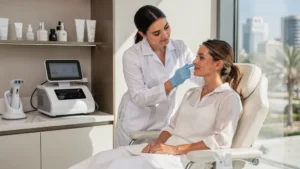
Many people worry that mole mapping will be time-consuming or uncomfortable. In reality, it’s a straightforward, non-invasive, and completely painless process. Here’s what typically happens during your mole mapping session:
- Initial Consultation – The dermatologist reviews your medical history, family background, and any skin concerns you may have.
- Full-Body Imaging – Using a high-definition camera, images are taken of your entire body, including often-overlooked areas like your scalp, feet, and behind the ears.
- Close-Up Analysis – Specific moles or lesions that appear irregular are photographed in greater detail.
- Digital Comparison – These images are securely stored and compared with future visits to track any changes in size, shape, or color.
- Follow-Up Discussion – The dermatologist explains the findings and provides guidance on the next steps, whether that involves continued monitoring or a biopsy if something appears concerning.
The whole procedure usually takes 30 to 60 minutes, depending on the number of moles. Most importantly, it gives you long-term reassurance and a clear picture of your skin’s condition.
Benefits of Mole Mapping
Mole mapping isn’t just about identifying moles—it’s about taking charge of your health. Here are the key benefits:
- Early Detection of Skin Cancer
The biggest advantage of mole mapping is its role in identifying melanoma and other skin cancers at the earliest stage. Early diagnosis means less invasive treatments and higher recovery rates. - Accurate Tracking of Changes
Human memory can be unreliable. With digital records, your dermatologist can precisely monitor changes in your moles, eliminating guesswork. - Peace of Mind
Regular mole mapping offers reassurance, especially if you’ve noticed changes or have risk factors. It helps reduce anxiety by confirming whether a mole is stable or evolving. - Personalized Care
Every person’s skin is unique. Mole mapping allows dermatologists to create a customized skin monitoring plan tailored to your body’s specific mole patterns and risks. - Comprehensive Skin Record
Having a detailed visual record means your skin’s health history is always available, helping your dermatologist make better decisions in the future.
How Mole Mapping Differs from a Skin Check
A regular skin check is a quick examination where a dermatologist visually inspects your moles. Mole mapping, however, goes a step further by capturing, documenting, and comparing high-quality images over time.
This digital tracking offers a much higher level of accuracy and helps detect subtle changes that would otherwise go unnoticed.
In other words, while a traditional skin exam is useful for spotting visible concerns, mole mapping provides an ongoing, data-driven approach to long-term skin health.
Aftercare and Follow-Up
After mole mapping, you don’t need to follow any special aftercare routines since it’s a non-invasive procedure. However, maintaining your skin health remains important.
Here are a few essential steps to follow post-session:
- Perform monthly self-examinations to notice any new or changing moles.
- Schedule regular follow-ups, usually every 6 to 12 months, depending on your risk level.
- Protect your skin by wearing sunscreen daily, even on cloudy days.
- Avoid excessive sun exposure and tanning beds, as UV rays are a major trigger for skin changes.
- Inform your dermatologist about any mole that bleeds, itches, or changes rapidly.
Consistent monitoring combined with professional care is the best approach to maintaining healthy, cancer-free skin.
Mole Mapping at Modern Aestheticss
At Modern Aestheticss, mole mapping is more than just a procedure—it’s a commitment to your long-term skin health. Using advanced imaging technology and expert dermatological care, our specialists provide detailed assessments, early detection, and peace of mind.
Our clinic ensures a comfortable and private experience, where you’ll receive personalized care and follow-up guidance. Whether you’re coming for a baseline mapping or a yearly comparison, we help you stay confident and protected.
Choosing Modern Aestheticss means choosing accuracy, care, and expertise that truly make a difference in your skin’s wellbeing.
Conclusion
Your skin deserves consistent attention and care, and mole mapping provides exactly that. It’s one of the smartest investments you can make in your health—helping you detect problems early, track subtle changes, and take preventive action before it’s too late.
At Modern Aestheticss, we believe that skin confidence starts with knowledge and proactive care. Our mole mapping services are designed to help you understand your skin better and protect it for years to come.
So, if you’ve been noticing changes in your moles or simply want peace of mind, book your mole mapping session today. Protect your skin, preserve your health, and take the first step toward safer, smarter skincare.
Read More:
Mole Removal: Everything You Need to Know About Safe & Effective Treatments