Stressful periods at work, major life changes, and even illness can trigger noticeable hair shedding. If you have started seeing more hair in your brush or shower drain, you are not alone. The question many Dubai patients ask is, can stress cause alopecia? The short answer is yes, but the full story depends on the type of hair loss, timing, and your underlying health. Here is a simple, evidence-based guide from Modern Aestheticss Dermatology and Laser Clinic to help you understand what is happening and what to do next.
Can stress cause alopecia? The mechanisms explained
Stress does not cause every kind of hair loss, but it can trigger or worsen several patterns:
-
Telogen effluvium, often occurs 6 to 12 weeks after a stressful event such as illness, surgery, extreme dieting, sleep deprivation, or emotional shock. Shedding is diffuse, the scalp looks less dense but without clear bald patches. It usually settles once the trigger is addressed and regrowth starts in months.
-
Alopecia areata, an autoimmune condition that can be unmasked or flared by stress. It presents as smooth, round patches of hair loss. It needs medical diagnosis and targeted therapy.
-
Trichotillomania, stress related hair pulling. Behavioral support is essential alongside dermatology care.
By contrast, Androgenetic alopecia, genetic pattern hair loss, is driven by hormones and heredity. Stress does not cause it, but it can accelerate shedding in those already predisposed.
Is stress really your trigger? Quick self check
Ask yourself:
-
Did significant shedding start 2 or 3 months after a clear stressor, for example postpartum, high fever, intense dieting, exams, job change? Diffuse shedding suggests telogen effluvium.
-
Are there smooth, well defined bald patches, or missing brows or lashes? This points to alopecia areata, which needs prompt dermatology review.
-
Is there a family history of gradual thinning at the crown or hairline? That suggests a genetic component.
If shedding is rapid, patchy, scarring, or associated with scalp pain, book a same week appointment with a dermatologist.
What works, and when: treatment comparisons that actually help
Choosing the right treatment is about matching the diagnosis to the therapy. If you are searching for alopecia treatment dubai, here is how dermatologists typically structure care.
| Scenario | What stress does | Typical pattern | First line medical care | Clinic based boosters |
|---|---|---|---|---|
| Telogen effluvium | Pushes many hairs into resting phase | Diffuse shedding, 2 to 3 months after a trigger | Identify and correct triggers, optimize sleep, nutrition, gentle hair care, consider topical minoxidil if shedding is persistent | PRP or PRF to support growth, sometimes combined with micro needling of the scalp, selected use of exosome therapy in suitable candidates |
| Alopecia areata | Stress can flare immune attack | Round, smooth patches, brows or beard may be affected | Intralesional or topical corticosteroids, topical immunotherapy, targeted systemic options in resistant cases under specialist care | Adjuncts like PRP vs PRF to support regrowth, low level light protocols in some cases |
| Androgenetic component | Stress may increase shedding on top of genetic miniaturization | Gradual thinning at crown or frontal scalp | FDA accepted topicals and supervised oral options where appropriate, long term plan matters | PRP or PRF for density, exosomes as an emerging option, hair transplantation referral in advanced stages |
At Modern Aestheticss Dermatology and Laser Clinic in Dubai, your plan begins with a specialist diagnosis, scalp examination, and targeted blood work when indicated, iron, vitamin D, thyroid, B12. For many patients, a dual approach works best, correct internal imbalances, then add regenerative medicine. Our team, led by Dr. Shubhangi Perkar, integrates medical therapies with PRP or PRF and, in selected cases, exosomes and growth factors. This combination often shortens the shedding phase and supports stronger regrowth.
For an overview of causes and options, see our comprehensive alopecia guide.
Do vitamins for alopecia help?
Targeted supplementation helps when there is a deficiency. Correcting low ferritin or iron, vitamin D, or B12 can reduce shedding and support regrowth. Biotin is not a universal solution, it only helps if you are deficient, and high doses can interfere with lab tests. Smart steps:
-
Test, do not guess. Supplement based on labs and medical advice.
-
Prioritize protein, omega 3s, leafy greens, and adequate hydration.
-
Manage stress with sleep and movement, both support the hair growth cycle.
What results can you realistically expect?
Most telogen effluvium improves once the trigger is managed. A simple timeline many patients experience:
-
Weeks 0 to 6, shedding continues, then starts to slow.
-
Months 3 to 4, baby hairs appear around the hairline and parting.
-
Months 6 to 9, visible density returns, especially with adjuncts like PRP or PRF.
In alopecia areata, early targeted therapy improves the odds of regrowth. Relapses can occur, so maintenance reviews matter. Patients often ask, can stress cause alopecia after childbirth or illness, yes, and a structured plan usually restores volume over months.
Simple next steps for Dubai patients
-
Book a diagnosis first, the fastest way to stop shedding is to confirm the type of alopecia and remove guesswork.
-
Address stress and sleep. Short nightly walks, breath work, and regular bedtimes help normalize the hair cycle.
-
Protect the scalp. Gentle washing, avoid harsh treatments and tight styles during recovery, daily sunscreen if the scalp is visible.
Want expert oversight and access to regenerative options in a single clinic visit, schedule with the Best Dermatologist in Dubai, Dr. Shubhangi Perkar, at Modern Aestheticss Dermatology and Laser Clinic.
Also noticing stress lines or dull skin?
If stress has shown up on your skin too, our advanced skin and laser team can help you look rested while your hair recovers:
-
HIFU (High Intensity Focused Ultrasound) for tightening, see Ultraformer MPT HIFU.
-
For collagen stimulation, microneedling.
-
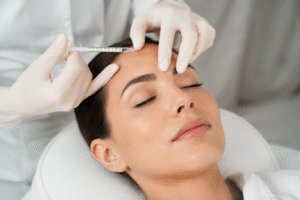
For volume and wrinkle smoothing, a liquid facelift approach with dermal fillers and Botox.
-
Other options, chemical peels for texture and glow.
FAQs
Can stress cause alopecia permanently? Usually no. Stress related telogen effluvium grows back once triggers are addressed. If there is alopecia areata or a genetic component, you will need a medical plan to maximize regrowth and maintain results.
How fast will my hair grow back after stress? Shedding often settles within 6 to 8 weeks, early regrowth is seen by month 3, and density improves through months 6 to 9. Timelines vary by age, nutrition, hormones, and adherence to treatment.
Which treatments work best after stress related shedding? Remove triggers, correct deficiencies, optimize home care, then add clinic boosters like PRP or PRF. In patchy alopecia areata, corticosteroid based protocols are first line, with adjuncts as needed.
Are exosomes safe for hair loss? Exosome therapy is an emerging regenerative option. Candidacy and protocols should be decided by a qualified dermatologist after diagnosis. See our overview of exosome therapy.
Do I need minoxidil? It can shorten shedding and improve density in several hair loss types. Use under medical guidance, especially if you are pregnant, breastfeeding, or have scalp sensitivities.
Key takeaways
-
The answer to can stress cause alopecia is yes, most often as telogen effluvium, and it is usually reversible.
-
Patchy loss suggests alopecia areata, get medical care quickly to improve regrowth odds.
-
Correct deficiencies, manage stress, and consider regenerative therapies like PRP or PRF for faster recovery.
Ready for a personalized plan that fits your lifestyle in Dubai, Book a consultation with Dr. Shubhangi Perkar at Modern Aestheticss Dermatology and Laser Clinic. Our team makes diagnosis simple, treatments streamlined, and follow up clear so you can get back to feeling like yourself.
This article is for information only and does not replace a consultation with a qualified clinician.