Hair loss can be distressing, affecting self-esteem and confidence. One of the most common causes of hair loss is alopecia, a condition that can affect anyone, regardless of age or gender. Alopecia is more than just a cosmetic concern — it is a medical condition that requires proper understanding and care to manage effectively.
At Modern Aestheticss, we help individuals facing hair loss by offering advanced solutions that restore hair and confidence. Understanding the underlying causes, identifying symptoms early, and seeking professional treatments are key steps toward successful management.
In this article, we will explore what alopecia is, the different types, causes, symptoms, and the most effective treatments currently available. By the end, you will have a clear understanding of how to address hair loss effectively.
What is Alopecia?
It is a medical term for hair loss, and it can manifest in various forms. It may occur gradually or suddenly, affecting just the scalp or the entire body. Hair loss can result from genetics, immune system disorders, hormonal changes, stress, and other underlying health conditions.
It has several types, ranging from mild and temporary hair shedding to complete hair loss. Early intervention and proper treatment can significantly improve outcomes, preventing further hair loss and stimulating regrowth.
Types of Alopecia
Understanding the different types of this disease is crucial for choosing the right treatment:
- Androgenetic Alopecia: Also known as male or female pattern baldness, this is the most common type of hair loss, often hereditary.
- Alopecia Areata: An autoimmune condition where the body attacks hair follicles, causing sudden patchy hair loss.
- Alopecia Totalis: Complete loss of scalp hair, usually following alopecia areata.
- Alopecia Universalis: Total hair loss across the entire body, a rare autoimmune condition.
- Telogen Effluvium: Temporary hair shedding triggered by stress, illness, or hormonal changes.
- Traction Alopecia: Hair loss caused by constant pulling or tension on the hair.
Each type of alopecia has its own triggers, symptoms, and treatment approaches.

Common Causes
It can be caused by a variety of factors, often a combination of genetics, environment, and lifestyle:
- Genetics: Family history is a strong predictor, especially in androgenetic type.
- Autoimmune Disorders: In conditions like alopecia areata, the immune system attacks hair follicles.
- Hormonal Changes: Pregnancy, menopause, thyroid disorders, or androgen imbalance can trigger hair loss.
- Stress and Trauma: Physical or emotional stress can lead to temporary hair shedding.
- Medications: Certain drugs, including chemotherapy, can induce hair loss.
- Nutritional Deficiencies: Lack of iron, protein, or essential vitamins may contribute.
- Hairstyling Practices: Frequent tight hairstyles, chemical treatments, or excessive heat can damage hair.
Identifying the underlying cause is essential for effective treatment.
Different Symptoms
The symptoms can vary depending on the type but often include:
- Gradual thinning of hair on the scalp or other areas
- Sudden hair loss in small patches
- Receding hairline or bald spots
- Changes in hair texture
- Itching, burning, or tenderness on affected areas
- Complete loss of scalp or body hair in severe cases
Early recognition of these symptoms allows for timely intervention and better treatment outcomes.
Diagnosis Process
Alopecia diagnosis involves a combination of clinical examination and medical tests:
- Physical Examination: Dermatologists inspect the scalp and hair loss patterns.
- Medical History: Family history, stress levels, and previous health conditions are evaluated.
- Blood Tests: To identify hormonal imbalances, autoimmune markers, or nutritional deficiencies.
- Scalp Biopsy: In some cases, a small sample of scalp tissue may be analyzed to determine the type of alopecia.
- Pull Test: Gently tugging hair to see how easily it comes out, helping to assess hair loss severity.
Correct diagnosis is critical to selecting the most effective treatment approach.
Treatment Options for Alopecia
Treatment options depend on the type, severity, and underlying cause. Modern solutions range from topical and oral medications to advanced aesthetic interventions.
Medical Treatments
- Minoxidil: A topical solution that promotes hair growth and slows thinning.
- Finasteride: An oral medication for androgenetic alopecia in men.
- Corticosteroids: Used in alopecia areata to suppress autoimmune reactions.
- Immunotherapy: Topical or systemic therapies stimulate hair regrowth in autoimmune cases.
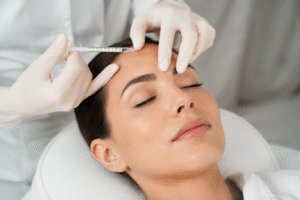
- Platelet-Rich Plasma (PRP): Concentrated platelets injected into the scalp to promote hair regeneration.
Advanced Aesthetic Treatments
- Laser Therapy: Low-level laser treatment stimulates hair follicles and improves hair density.
- Hair Transplantation: Surgical procedure relocating hair follicles from healthy areas to thinning areas.
- Microneedling: Enhances absorption of topical treatments and boosts hair follicle health.
Each treatment is personalized according to patient needs and type of alopecia.
Lifestyle and Home Care
In addition to professional treatments, lifestyle changes can support hair health:
- Eat a balanced diet rich in protein, iron, and vitamins
- Avoid excessive heat, tight hairstyles, and harsh chemical treatments
- Manage stress through meditation, exercise, or counseling
- Use gentle, sulfate-free shampoos and conditioners
- Avoid frequent brushing of wet hair to prevent breakage
Combining professional care with healthy habits enhances results and reduces recurrence.
Psychological Impact and Support
Hair loss can affect self-esteem, social interactions, and emotional well-being. Many patients experience anxiety, depression, or low confidence due to alopecia.
Seeking support through counseling, support groups, and professional care can help manage the psychological impact while addressing physical symptoms. Modern Aestheticss emphasizes compassionate care that treats both the condition and its emotional effects.
Why Choose Modern Aestheticss for Alopecia Treatment?
Managing alopecia requires expertise, advanced technology, and a personalized approach. At Modern Aestheticss, we provide:
- Tailored Treatment Plans: Each patient receives care designed for their specific type of alopecia.
- Advanced Therapies: PRP, laser therapy, microneedling, and more.
- Experienced Dermatologists: Skilled specialists ensure safe and effective care.
- Comprehensive Support: We focus on both hair restoration and patient confidence.
Choosing the right clinic ensures long-term results and a positive treatment experience.
Conclusion
Alopecia is a common yet complex condition that affects millions worldwide. While it can be distressing, effective treatments exist to manage hair loss and promote regrowth. Early diagnosis, proper medical care, lifestyle adjustments, and advanced aesthetic treatments can make a significant difference.
At Modern Aestheticss, we combine expert knowledge with cutting-edge technology to provide safe, effective, and personalized solutions for alopecia. If you are struggling with hair loss, now is the time to take action. With the right care, you can restore both hair and confidence, achieving healthier, fuller-looking hair for the long term.
Read More:
Top Aesthetic Treatments Everyone’s Getting in 2025 (That Actually Work)