If you have ever pressed your face close to a mirror and wished those pores would just disappear, you are not alone. Enlarged or open pores are one of the most common skin concerns brought to aesthetic clinics, and the frustration is very real. They make skin look rough, tired, and harder to manage regardless of how much skincare you layer on top.
The good news is that while you cannot physically remove pores from your skin (which would be a problem, since your skin needs them), you can dramatically reduce their appearance with the right pore minimizing treatments. At Modern Aestheticss, we work with clients every day who want clearer, smoother skin, and the results speak for themselves with the help of best dermatologist in Dubai.
Here is everything you need to know about what causes large pores and, more importantly, the best treatment for pores on face that actually delivers visible change.
Why Do Pores Look Large in the First Place?
Before jumping into treatments, it helps to understand why pores become more visible over time. Pores are small openings in the skin that allow oil, known as sebum, to travel from the sebaceous glands to the surface. They are not a flaw. They are a function.
Several factors can cause them to appear wider or more prominent:
Excess oil production. When your sebaceous glands overproduce oil, it builds up inside the pore and stretches it outward, making it more visible. This is especially common across the T-zone.
Loss of collagen and elastin. As we age, skin loses two key structural proteins. Without enough collagen and elastin to support the walls of each pore, it relaxes and widens. This is why pores tend to become more noticeable from the thirties onward.
Sun damage. Prolonged UV exposure accelerates collagen breakdown, which has the same pore-widening effect. Daily sun protection is non-negotiable if you want to maintain firm, tight skin.
Genetics. Skin type, oil production levels, and pore size all have a genetic component. If your parents had visible pores, there is a reasonable chance you will too.
Clogged pores. Dirt, dead skin cells, and trapped sebum cause pores to expand from within. Blackheads are a clear example of this, and they are one of the main reasons clients seek open pores treatment.
Understanding the cause behind your own enlarged pores helps determine which treatment approach will give you the best results.
Can Pores Actually Be Minimized?
Yes, and noticeably so. No treatment permanently closes or removes a pore, but consistent clinical treatment can keep them cleaner, tighter, and far less visible. The key is stimulating collagen, controlling excess oil, and clearing the pathway so sebum does not back up and stretch the pore walls further.
The most effective large pores on face treatment options combine professional in-clinic procedures with a sensible daily skincare routine. Here is what each approach involves.
The Best In-Clinic Treatments for Open Pores
Chemical Peels
A chemical peel is one of the most reliable pores treatments available. During the procedure, a solution containing exfoliating acids is applied to the skin surface. These acids, typically salicylic acid, glycolic acid, or a blend of both, dissolve the layer of dead skin cells and sebum that accumulates inside the pore.
Salicylic acid is oil-soluble, meaning it can penetrate directly into the pore lining and break down buildup from within. Glycolic acid works on the surface layer, encouraging faster cell turnover so that fresh, cleaner skin is revealed after each session.
Beyond clearing the pore, chemical peels also stimulate collagen production in the deeper layers of skin. Over a course of sessions, this helps skin regain the structural firmness that keeps pores tighter. Most clients see a meaningful reduction in pore visibility after three to six sessions spaced two to four weeks apart.
This is one of the most recommended options for anyone seeking the best facial for open pores because it addresses both surface blockage and the underlying loss of skin firmness at the same time.
Microdermabrasion
Microdermabrasion is a non-invasive exfoliation treatment that physically removes the outermost layer of the skin using fine crystals or a diamond-tipped wand. It is a precise, controlled procedure that unclogs large pores, smooths uneven texture, and removes dull, sun-damaged surface skin.
One of the biggest advantages of microdermabrasion as an open pores treatment is that it requires virtually no downtime. Most clients return to normal activities immediately after the session. Pores appear cleaner and tighter as the congestion that stretched them is cleared away, and the complexion looks noticeably brighter.
It is an excellent option for clients who are newer to in-clinic skincare or who want consistent maintenance between deeper procedures.
Laser Resurfacing
For clients dealing with persistently enlarged pores, deeper skin laxity, or a combination of concerns including texture, tone, and pore size, laser resurfacing is one of the most powerful options available.
Fractional laser technology delivers precise columns of heat energy into the deeper layers of skin. This controlled thermal energy triggers the skin’s healing response, stimulating the production of new collagen and elastin. As fresh structural support develops beneath the surface, skin tightens, texture improves, and pores become visibly smaller over the following weeks.
Fractional laser treats only a portion of the skin at a time while leaving surrounding tissue intact. This means faster healing, less downtime, and a safer experience for a wider range of skin tones. Most clients need between four and six sessions, with results continuing to improve for several months after the final session as newly formed collagen continues to mature.
Radiofrequency Skin Tightening
Radiofrequency (RF) treatment uses controlled electromagnetic energy to generate heat beneath the skin surface without disrupting the outer layer. That deep heat triggers a collagen remodelling process that gradually tightens skin, reduces pore size, and improves overall texture.
RF is particularly well suited to clients whose large pores are primarily a result of skin laxity and ageing rather than congestion or oil overproduction. It pairs well with other pore minimizing treatments and is commonly included as part of a combination protocol for more comprehensive results.
Sessions are comfortable, require no significant recovery time, and the gradual tightening effect makes it a popular maintenance treatment once an initial course is complete.
Deep Cleansing Clinical Facials
For clients wanting a thorough cleanse combined with active pore minimizing ingredients, a medical-grade facial is a strong choice. Unlike standard salon facials, clinical facials use professional-strength serums and technology to genuinely unclog and tighten pores rather than simply clean the surface.
A well-designed facial for open pores typically combines gentle exfoliation, deep extraction to remove blackheads and backed-up sebum, and the infusion of active ingredients such as salicylic acid, niacinamide, and hyaluronic acid. The result is immediately visible. Pores look cleaner and smaller, skin feels smoother, and the complexion appears more refined.
Regular sessions every four to six weeks maintain those results over time and work beautifully alongside more intensive laser or peel-based plans.
Microneedling with Serum Infusion
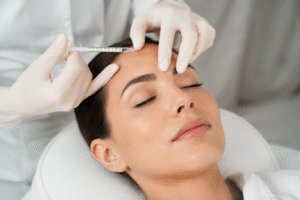
Microneedling uses a device fitted with very fine needles to create tiny, controlled channels in the skin surface. These micro-injuries stimulate the skin’s natural repair response, triggering collagen and elastin production in a highly targeted way.
When combined with active serum infusion, such as growth factors, vitamin C, or niacinamide, microneedling becomes an exceptionally effective pore minimizer treatment. The serum penetrates far deeper than it could on the surface, strengthening the skin structure from within, reducing oiliness, and tightening the walls of enlarged pores.
Most clients need four to six sessions spaced three to four weeks apart. Results are cumulative, with the most significant improvement visible two to three months after completing the course as new collagen continues to build.
What to Use at Home Between Sessions
Professional treatments do the heavy lifting, but what you apply daily plays a real role in maintaining and extending results.
Niacinamide is one of the most evidence-backed ingredients for pore reduction available in over-the-counter skincare. It regulates sebum production, reduces the appearance of enlarged pores, and calms inflammation that can make pores look worse.
Retinol accelerates cell turnover, prevents dead skin cells from accumulating inside pores, and stimulates collagen production over time. It is best used in the evening, starting two to three nights a week and building up gradually to allow the skin to adjust.
Salicylic acid in a daily cleanser or toner keeps pores clear of excess oil and debris between professional sessions. It is particularly helpful for oily and combination skin types prone to congestion.
SPF every morning is essential. UV damage is one of the leading causes of collagen loss, and protecting that collagen is fundamental to keeping pores tighter for longer.
Which Treatment Is Right for You?
There is no single best treatment for pores on face that works identically for everyone, because the cause of enlarged pores varies from person to person. Some people have naturally oilier skin. Some are managing age-related laxity. Others are dealing with a combination of both alongside post-breakout scarring.
A proper consultation at Modern Aestheticss will assess your skin type, identify the primary drivers of your concern, and build a treatment plan that addresses your specific situation rather than applying a generic approach.
As a broad guide:
For oily skin with clogged, congested pores, chemical peels and regular clinical facials tend to produce the fastest visible results.
For skin where pores have widened due to collagen loss, fractional laser or radiofrequency treatments deliver more fundamental tightening at the level where the problem originates.
For clients wanting the most comprehensive result, a combination protocol using microneedling, peels, and RF often produces the most significant transformation.
How Many Sessions Will You Need?
Most in-clinic pore minimizing treatments require a course of sessions rather than a single appointment. Collagen remodelling takes time to develop and show its full effect, and visible improvement builds progressively across the treatment plan.
A typical course ranges from four to eight sessions depending on the treatment type and severity of the concern. Your specialist will outline a realistic timeline during your consultation and track your progress at each visit.
Maintenance sessions every two to three months help sustain results long-term.
Start Your Pore Treatment at Modern Aestheticss
Open pores can make you feel like no skincare product is ever quite enough. The right clinical treatment changes that. At Modern Aestheticss, we take the time to understand your skin, recommend what will genuinely work for your specific concerns, and deliver results that are visible in real life, not just in before-and-after photography terms.
Whether you are looking for a one-off deep cleansing facial or a full course of treatment to address persistent large pores at their root cause, our team is here to guide you through it.
Book your consultation at Modern Aestheticss today and take the first step toward skin you feel genuinely confident in.