Subcision Treatment In Dubai

What Is Subcision Treatment?

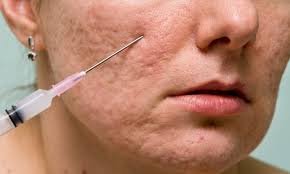
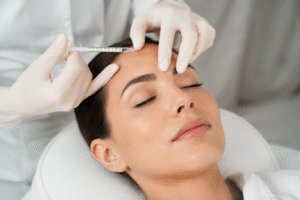
Subcision is a minor in-clinic procedure where a dermatologist uses a fine needle or a specialized cannula to gently treat scar tissue beneath the skin. In simple terms, the goal is to release the bands that pull a scar downward, allowing the skin to lift.

This type of subcision skin treatment is most helpful for scars that create shadows or dents, particularly when the scar feels anchored to deeper tissue. Many patients explore subcision treatment after noticing that resurfacing treatments improve texture, but the deepest “dips” remain.

benefits-of-subcision

How Subcision Works?

Depressed scars often form when inflammation from acne affects deeper layers of skin and healing results in tight, fibrous strands under the surface. During subcision, the dermatologist carefully moves the instrument in a controlled way beneath the scar. This movement helps break the fibrous bands that tether the scar.

As the scar is released, the skin can gradually settle into a smoother position. When performed as Subcision in Dubai by an experienced dermatologist, the focus is on precision, scar type selection, and a plan that suits your skin tone and healing pattern.

What Conditions Can Subcision Treat?

Subcision is not used for every scar type. It is best for scars that are depressed and tethered beneath the surface.

  • Acne scars (especially rolling and boxcar scars)
  • Depressed scars
  • Tethered scars

If you are specifically considering Subcision for acne scars, a consultation is important because many patients have a mix of scar types (for example, rolling scars plus ice-pick scars), and each type responds to different treatments.

Subcision Treatment Process

While each plan is individualized, the subcision treatment process usually follows a clear sequence.

  • Consultation and scar assessment: Your dermatologist examines scar type, depth, and distribution, and checks for active acne or ongoing inflammation that may need to be controlled first.
  • Treatment planning: A plan is created based on which scars are tethered, how your skin typically heals, and whether combination treatments are appropriate.
  • Performing the subcision procedure: After cleansing and numbing, subcision is performed in targeted areas. The goal is controlled scar release while minimizing unnecessary trauma to surrounding tissue.
  • Immediate post-treatment care: You may have mild swelling, pinpoint bleeding, or bruising. Your dermatologist will review simple aftercare steps and what to avoid in the first days.

Combining Subcision With Other Treatments

Acne scarring is often multi-layered, which is why subcision is frequently combined with other treatments. Your dermatologist may recommend spacing procedures across a treatment plan to support healing and reduce downtime.

Subcision with filler is one common option when a released scar needs extra volume support. A small amount of filler can help reduce the “re-tethering” effect in certain scars and can smooth contour changes while collagen develops. Not every patient needs filler, and the decision depends on scar depth, skin support, and your preference for temporary volumizing.

Subcision and microneedling may be recommended when the main concern includes both tethering and surface texture. Subcision addresses the pulling-down effect beneath the scar, while microneedling focuses more on texture, pores, and overall skin quality. For patients with mixed acne scarring, this combination can be a logical, staged approach.

At Modern Aestheticss, treatment planning is typically dermatologist-led, which is especially important when combining procedures on skin that may be sensitive, acne-prone, or prone to pigmentation changes.

Healing Time and Recovery for Subcision Treatment In Dubai

Most people can return to normal routines quickly, but it is still important to plan for visible recovery. Subcision healing time varies depending on how many areas are treated and how easily you bruise.

It is common to experience mild swelling, tenderness, or bruising in the treated zones. Some patients feel small, temporary firmness under the skin as healing progresses.

General aftercare usually focuses on keeping the area clean, avoiding unnecessary pressure or friction on the treated skin, and following the skincare guidance provided by your dermatologist. If you have an important event coming up, it is best to schedule your consultation early so your plan can account for recovery time.

At Modern Aestheticss, subcision treatment in Dubai is performed by best dermatologist only.

subsicion treatment in dubai

Benefits of Subcision Treatment in Dubai

Frequently Asked Question

Is subcision safe?

Yes, under dermatologist supervision.

How soon will I see results?

Noticeable improvement in 2–3 weeks; optimal results after multiple sessions.

Can it be combined with other treatments?

Yes, often paired with fillers, filler, PLLA, calcium hydroxylapetite , prp , prf, exosomes , lasers , microneedling for enhanced results.

Is subcision suitable for all skin types?

Subcision can be performed on a wide range of skin types, but treatment planning matters. Your dermatologist will consider bruising tendency, pigmentation risk, and the safest combination approach for your skin.

How do I know if I need Subcision Treatment in Dubai or another scar procedure?

The best way to decide is through scar assessment. If your scars are tethered and depressed, subcision may help. If scars are mainly pigment marks or very narrow “ice-pick” scars, other treatments may be more appropriate.

skin-rejuvenation

Why Choose Modern Aestheticss?

Hi 👋