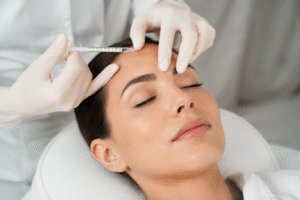
If you have been putting in the effort at the gym and watching what you eat but still feel like your face looks rounder or puffier than you would like, you are not imagining things. Facial fullness and the way fat distributes across the cheeks, chin, and jawline is one of the most stubborn and frustrating concerns people bring to aesthetic consultations, partly because it is so visible and partly because the usual advice does not always seem to help.
The truth about how to lose face fat is layered. There is a biological reality that limits what certain approaches can achieve, and then there are evidence-based lifestyle habits and clinical treatments that genuinely move the needle. This guide covers all of it honestly, so you can make the right choices for your face and your body. For those seeking personalized guidance, consulting the best dermatologist in Dubai can help identify the most effective treatments and strategies based on your facial structure, skin condition, and overall health goals.
Why Does the Face Hold Fat?
Before getting into solutions, it helps to understand what is actually going on when the face looks fuller than you want.
Overall body fat percentage is the single biggest factor. The face is not isolated from the body’s general fat stores. When overall body fat is higher, more of it tends to accumulate in the cheeks, around the chin, and under the jaw.
Genetics play a significant role in where the body preferentially stores fat. Some people carry weight in their face first and lose it there last, regardless of their fitness level. Others have naturally fuller facial structure due to bone and fat pad distribution that is entirely genetic.
Water retention and bloating can make the face look considerably puffier than the actual fat level beneath would suggest. High sodium intake, alcohol, poor sleep, and hormonal fluctuations all drive fluid retention that concentrates visibly in the face.
Ageing changes facial fat distribution in a specific way. Over time, deeper fat pads in the face deflate, while surface fat can migrate downward, creating jowling and heaviness in the lower face. This is a different mechanism from generalised weight gain but contributes to a face that looks heavier or less defined.
Hormonal changes including elevated cortisol from stress and shifts during perimenopause can also drive fat accumulation in the face and neck area, independent of overall weight.
Understanding which of these factors is driving what you see in the mirror shapes which approach to lose face fat will be most effective for your situation.
The Truth About Spot Reduction
Here is the part that matters most, and that a lot of content in this space dances around rather than stating clearly. You cannot directly spot-reduce fat from your face. The body does not work that way. When fat is metabolised for energy, it comes from wherever the body’s hormonal and genetic programming determines, not from the area being exercised or targeted by a product applied to the surface.
This means no facial exercise routine, no face-slimming massage technique, and no topical cream can actually burn the fat sitting beneath the skin of your cheeks or jaw. What those approaches can do is support muscle tone, reduce temporary puffiness, and improve circulation, which does make a real visual difference, but they do not reduce the underlying fat deposits.
To genuinely lose face fat that comes from body fat accumulation, overall body fat reduction is required. And when body fat drops, the face often responds visibly because it is a relatively small area with high visibility. That said, there are meaningful clinical options for patients where lifestyle approaches have not been sufficient, which we cover later in this guide.
How to Lose Face Fat: Evidence-Based Lifestyle Approaches
Reduce Sodium and Processed Foods
One of the fastest visible changes to facial fullness comes from cutting sodium intake. The body retains water to buffer high sodium concentrations, and much of that retained fluid shows up in the face as puffiness across the cheeks and under the eyes. Processed foods, fast food, packaged snacks, and restaurant meals are the primary sources of excessive sodium in most diets.
Switching to whole, minimally processed foods and seasoning at home rather than relying on pre-seasoned products can reduce facial puffiness within a few days. It is one of the quickest and most noticeable changes a person can make.
Stay Consistently Hydrated
This sounds counterintuitive, but drinking sufficient water actually reduces fluid retention rather than adding to it. When the body is chronically dehydrated, it conserves water as a protective measure, causing bloating and facial puffiness. Proper daily hydration tells the body it is safe to release retained fluid.
Eight to ten glasses of water per day is a reasonable baseline for most adults. Reducing caffeinated drinks and alcohol, which are both dehydrating, compounds the effect.
Cut Back on Alcohol
Alcohol is one of the most direct contributors to facial bloating and puffiness. It is dehydrating, inflammatory, and high in empty calories. The combination of these three effects means that regular alcohol consumption creates both water retention in the short term and increased body fat over time, both of which show prominently in the face.
Reducing or eliminating alcohol has one of the most rapid and visible effects on facial appearance of any lifestyle change.
Reduce Refined Carbohydrates
Refined carbohydrates including white bread, white rice, pastries, sugary drinks, and most packaged snack foods cause rapid spikes in blood sugar followed by a sharp drop. These blood sugar fluctuations promote fat storage and trigger inflammation, both of which contribute to a fuller-looking face. They also drive water retention through a process called glycogen storage, where carbohydrates are stored alongside water in muscle tissue.
Replacing refined carbohydrates with whole grains, vegetables, pulses, and protein-rich foods produces a meaningful change in facial fullness over time, independent of calorie counting.
Prioritise Sleep
Poor sleep is one of the most underestimated contributors to facial puffiness and weight retention generally. When sleep is inadequate, cortisol levels rise. Cortisol is the primary stress hormone, and among its effects are increased appetite, elevated inflammation, and fluid retention. Consistently getting seven to nine hours of quality sleep per night has a measurable effect on these hormonal drivers.
Beyond hormonal effects, poor sleep increases visible puffiness around the eyes and face simply because the lymphatic drainage that normally clears fluid from facial tissue is most active during sleep.
Incorporate Cardiovascular and Resistance Exercise
Cardiovascular exercise including brisk walking, jogging, swimming, and cycling creates a caloric deficit that drives overall body fat reduction. As body fat drops, the face typically responds. Resistance training amplifies this by increasing muscle mass, which raises the basal metabolic rate and leads to greater fat loss per day even at rest.
Neither type of exercise alone is optimal. Combining both and making movement a consistent daily habit produces the most sustained reduction in overall body fat and, by extension, in facial fullness.
Facial Exercises: Realistic Expectations
Facial exercises including muscle-tightening movements, jaw exercises, and the techniques sometimes called face yoga do not burn facial fat. This is important to state clearly, because a great deal of misleading content suggests otherwise.
What facial exercises do achieve is some degree of toning in the underlying muscles, which can create a slightly more defined appearance around the cheeks and jawline over time. For patients dealing with age-related facial muscle laxity rather than actual fat accumulation, this toning effect has genuine, if modest, value. The expectations need to be proportionate to the mechanism.
When Lifestyle Changes Are Not Enough: Clinical Options at Modern Aestheticss
For patients who have addressed the lifestyle factors above but still feel their facial contour does not reflect the effort, or where the issue is primarily structural rather than related to overall weight, clinical treatments offer targeted and often dramatic results.
Injection Lipolysis (Fat Dissolving Injections)
For patients with localised pockets of submental fat, the fatty deposit beneath the chin that creates the appearance of a double chin, injection lipolysis is one of the most effective and precise non-surgical options available. Also known as lipolysis injection treatment, it involves delivering a solution directly into the targeted fat tissue. The active compound breaks down the fat cell membranes, and the released fat is then cleared naturally by the body’s lymphatic system over the following weeks.
The key advantage of injection lipolysis over general weight loss is precision. It targets the exact area causing concern without requiring overall fat reduction across the body. The fat cells destroyed in the process do not return, making the result permanent in the treated zone. Two to four sessions spaced four to six weeks apart are typically needed for the full contour improvement to develop.
9D Facelift
For patients looking for the most comprehensive non-surgical facial lifting and contouring result, the 9D Facelift is a multi-dimensional treatment protocol that combines several technologies in a single session to address volume, laxity, and facial shape simultaneously. Unlike single-technology treatments that address one dimension of facial ageing or fullness, the 9D approach works across different tissue depths, producing a lift, tightening, and contouring effect that creates a noticeably slimmer and more sculpted facial appearance.
It is particularly well suited for patients in their thirties and forties who want a significant improvement in facial definition without surgery, and for those whose concern involves both volume redistribution and skin laxity contributing to a heavier-looking face.
Ultraformer MPT
Ultraformer MPT is one of the most advanced HIFU-based skin tightening and lifting devices available in clinical aesthetics today. It delivers micro-focused ultrasound energy to precise depths within the skin and underlying structural tissue, triggering a powerful collagen remodelling response. For patients whose facial heaviness is partly related to skin laxity and downward tissue migration rather than fat, Ultraformer MPT produces a visible firming and lifting of the lower face, jowl area, and neck.
Results develop gradually as new collagen matures over three to six months, and a single session can produce improvement that lasts up to twelve to eighteen months. It is a popular standalone treatment and also works powerfully as part of a combination protocol with injection lipolysis or dermal fillers for a more complete facial slimming result.
Clarity II Laser for Skin Toning and Texture
While the Clarity II laser is widely known as a leading hair removal system, it also plays a role in overall facial quality improvement. By addressing surface tone, texture irregularities, and vascular concerns, it helps the face look cleaner, more refined, and more youthful, which contributes to an overall appearance that reads as slimmer and more defined. When combined with contouring treatments, the Clarity II laser improves the quality of the skin sitting over the newly defined structure.
Face Slimming Injections (Masseter Botulinum Toxin)
One of the most commonly overlooked contributors to a wide or heavy-looking lower face is overdevelopment of the masseter muscle, the large jaw muscle used for chewing. In people who grind their teeth or habitually clench their jaw, this muscle can become significantly enlarged, creating a square, heavy jawline.
Botulinum toxin injections into the masseter muscle cause it to gradually reduce in size over six to eight weeks, slimming the lower face and creating a more oval, tapered facial contour. Results last six to twelve months and are one of the most transformative non-surgical treatments for lower face shape available.
Dermal Fillers for Facial Contouring
Sometimes what reads as facial fatness is actually a loss of definition in the structural contours of the face. When the cheekbones, chin, and jawline are not adequately defined, the face looks heavier and less sculpted even at a healthy weight. Strategic placement of dermal fillers in these areas restores definition and creates the appearance of a slimmer, more contoured face without any actual fat reduction.
Patients searching for fillers or dermal fillers often associate them only with lip or cheek augmentation, but in experienced hands, fillers placed along the jawline, chin, and cheek projection can reshape the entire facial silhouette. This is one of the most immediately visible and effective non-surgical approaches to a slimmer, more defined face, with results lasting anywhere from twelve to twenty-four months depending on the product and area treated.
Which Approach Is Right for You?
The right path to lose face fat depends on what is actually causing the fullness you see. Here is a practical guide:
If your face has become fuller alongside overall weight gain, lifestyle changes and general fat reduction through diet and exercise are the starting point, and they will produce meaningful results in the face as part of that process.
If you eat well, exercise regularly, and your overall weight is healthy but you still have a heavy jawline, submental fat, or a wide lower face, injection lipolysis, masseter slimming injections, or a 9D Facelift protocol are likely to produce the most targeted improvement.
If the concern is skin laxity and loss of definition rather than fat, Ultraformer MPT, the 9D Facelift, and strategic dermal fillers are the most effective tools. Patients who have previously explored fillers or dermal fillers for facial slimming and found them helpful will find the combination of fillers with lipolysis injection and Ultraformer MPT particularly transformative.
A consultation at Modern Aestheticss will include a thorough facial assessment to identify the primary driver of your concern and recommend the most appropriate approach, whether that is lifestyle guidance, a clinical treatment, or a combination of both.
Frequently Asked Questions
Can you lose face fat without losing weight overall?
Generalised face fat that comes from body fat accumulation will reduce as overall body fat drops. For localised fat pockets or structural concerns, clinical treatments such as injection lipolysis and the 9D Facelift can address these independently of overall body weight.
How long does it take to see results in the face from weight loss?
Most people begin to notice changes in facial fullness within two to four weeks of consistent lifestyle changes, particularly when sodium and alcohol intake are reduced alongside a calorie deficit.
Do facial exercises actually reduce face fat?
No. Facial exercises tone the underlying muscles but cannot burn the fat above them. They may improve definition modestly for patients with lax facial muscles but should not be the primary strategy for fat reduction.
What is the fastest clinical treatment for a slimmer face?
For the lower face and double chin, injection lipolysis and masseter slimming injections tend to produce visible results within four to eight weeks. The 9D Facelift delivers a more comprehensive lifting and contouring result, while Ultraformer MPT provides progressive tightening over three to six months.
Is face fat reduction permanent?
Lifestyle-driven fat loss is maintained as long as healthy habits are sustained. Injection lipolysis destroys fat cells permanently in the treated area. Skin tightening treatments including Ultraformer MPT and the 9D Facelift deliver results lasting twelve to eighteen months, with maintenance sessions recommended to sustain the outcome.
What is the difference between dermal fillers and lipolysis injection for face slimming?
Dermal fillers add structure and definition to create the visual impression of a slimmer, more contoured face by improving cheekbone, chin, and jawline projection. Injection lipolysis physically reduces the fat tissue beneath the chin and along the jaw. Both are highly effective, and they are frequently combined for the most complete result.
Start Your Journey Toward a Slimmer, More Defined Face
Whether you want to understand your options, address a specific concern clinically, or simply get clarity on why lifestyle changes are not delivering the facial change you expected, the team at Modern Aestheticss is here to help.
Book your facial assessment consultation at Modern Aestheticss today and get a clear, honest picture of what will work for your face.
Tags: how to lose face fat, how to remove face fat, lose face fat, how to reduce face fat, injection lipolysis, lipolysis injection, 9D facelift, Ultraformer MPT, Clarity II laser, fillers, dermal fillers, face slimming treatment, masseter slimming, facial contouring, double chin treatment, aesthetic clinic Kerala