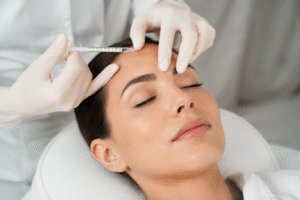
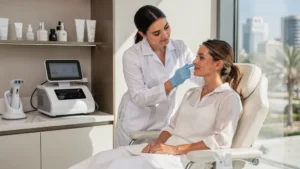
Freckles on face are one of the most talked-about skin concerns in aesthetic clinics, and understandably so. For some people, they are considered charming. For many others, they are a source of self-consciousness, particularly when they deepen with sun exposure, multiply over time, or appear unevenly across the nose, cheeks, and forehead.
The good news is that freckles on face are among the most treatable pigmentation concerns in aesthetic medicine. Whether you want to fade them significantly, remove them entirely, or simply understand what is causing them before making a decision, this guide walks you through everything you need to know.
At Modern Aestheticss, we see patients with freckles across all skin types and tones. As the Best Dermatologist in Dubai, we understand that what works for each person depends on the type of freckles present, the skin’s underlying characteristics, and the level of result the patient wants to achieve.
What Are Freckles on Face and Why Do They Form?
Freckles are small, flat patches of concentrated pigment that appear on sun-exposed areas of the skin. They are typically tan, light brown, reddish-brown, or dark brown in colour and range from the size of a pencil tip to slightly larger. They most commonly appear on the face, particularly across the nose and cheeks, but also develop on the neck, arms, chest, and shoulders.
Freckles form because of an overproduction of melanin, the pigment that gives skin, hair, and eyes their colour. Melanin is produced by specialised skin cells called melanocytes, and its primary job is to protect the skin from UV radiation by absorbing and scattering sunlight. When someone with a lighter skin type is exposed to the sun, their melanocytes respond not by producing an even tan but by clustering melanin into concentrated spots. Those concentrated spots are freckles.
The tendency to freckle has a strong genetic component. Certain variants of the MC1R gene, which also influences red hair and fair skin, significantly increase the likelihood of developing freckles on face. However, genetics only sets the predisposition. Sun exposure is what actually triggers and intensifies them.
The Two Types of Freckles: What You Are Actually Dealing With
Not all freckles are the same, and the distinction matters when it comes to choosing the right freckles treatment.
Ephelides are the classic freckles most people are familiar with. They are flat, light to medium brown or reddish in tone, and have slightly irregular borders. They typically appear in childhood, become more visible during summer and sunny months, and fade noticeably in winter or with reduced sun exposure. They are most common in people with lighter skin, fair hair, and the MC1R gene variant. Ephelides tend to reduce naturally with age, though sun exposure can keep them active.
Solar lentigines are sometimes confused with freckles but are a distinct type of pigmented spot. They tend to be larger, have clearer and more defined borders, and can range from yellow-brown to dark brown. Unlike ephelides, their colour does not change seasonally. They develop primarily in adults over 40 as a result of years of cumulative UV exposure, which is why they are also called age spots or sun spots. Solar lentigines do not fade on their own and typically require active treatment to reduce.
Understanding which type is present helps determine the appropriate freckles treatment plan, as the two respond slightly differently to various treatment modalities.
Can You Remove Freckles on Face Permanently?
This is the question most patients come in with, and the honest answer is: yes, significantly and in many cases completely, though with an important caveat.
Freckles treatment can clear existing spots very effectively. Laser, chemical peels, and other targeted treatments break down the excess melanin clusters and allow the skin to replace them with unpigmented, even-toned tissue. The result is a visible and often dramatic improvement in skin clarity and evenness.
The caveat is that the underlying tendency to freckle remains. If the skin is regularly exposed to UV radiation without protection, new freckles can develop over time. This is why consistent daily SPF use is the single most important maintenance step after any freckles treatment. Patients who protect their skin consistently after treatment find that results remain stable for years.
So the more accurate answer is: freckles can be removed permanently, and new ones can be prevented from forming, provided sun protection becomes a daily habit.
The Most Effective Clinical Freckles Treatments at Modern Aestheticss
Laser Pigmentation Treatment
Laser is one of the most targeted and effective methods for removing freckles on face, and it is the treatment that consistently delivers the clearest results for both ephelides and solar lentigines.
The laser delivers precise pulses of light energy at a wavelength absorbed specifically by melanin. This energy is converted to heat within the pigmented cell, breaking the melanin cluster apart without affecting the surrounding unpigmented tissue. The body’s lymphatic system then gradually removes the fragmented pigment over the weeks following treatment.
Different laser systems are used depending on the depth and type of pigmentation. Q-switched Nd:YAG lasers are particularly well suited for superficial freckles and work safely across a wider range of skin tones. The treatment produces visible fading within one to two weeks as the treated spots darken briefly, crust, and then shed. Most patients see significant clearing after one to three sessions.
Laser pigmentation treatment at Modern Aestheticss is calibrated individually to the patient’s skin type, freckle depth, and desired outcome.
Chemical Peels for Freckle Reduction
Chemical peels are a highly effective freckles treatment that works by dissolving the surface layers of the skin, removing the melanin-dense cells and revealing clearer, more evenly toned skin beneath. As the skin regenerates following a peel, it does so without the excess pigment that had been concentrated in the freckled areas.
The depth of the peel determines the extent of the result. Superficial peels using kojic acid, mandelic acid, or lower concentrations of glycolic acid brighten the overall complexion and gently fade lighter freckles with no downtime. Medium-depth peels using trichloroacetic acid penetrate further, producing more significant fading of deeper or darker spots with a few days of peeling and mild redness.
A course of three to six peels spaced three to four weeks apart typically produces a marked improvement in skin evenness, and the results continue to develop for several weeks after the final session as fresh collagen and new skin cells consolidate.
IPL Intense Pulsed Light Therapy
IPL uses broad-spectrum light delivered in controlled pulses to target pigmented cells in the skin. It is particularly effective for diffuse freckling across a larger area of the face, as it can treat a broader zone in a single session compared to point-specific laser treatments.
The light energy is absorbed by the melanin in freckles, causing the pigment to fragment and rise to the surface, where it flakes away naturally over the following ten to fourteen days. IPL also stimulates collagen production as a secondary benefit, improving skin texture and tone alongside the pigment reduction.
Two to four sessions are typically needed, spaced three to four weeks apart. IPL is most suitable for lighter skin tones as the broad spectrum of light carries a higher risk of affecting surrounding pigment in very dark skin. Your specialist at Modern Aestheticss will assess your skin carefully and recommend the right technology for your tone and concern.
Microneedling with Brightening Serums
For patients who want a gentler, progressive approach to reducing freckles on face, microneedling combined with brightening serum infusion is an excellent option. The microneedling device creates tiny channels in the skin that allow active depigmenting ingredients such as vitamin C, kojic acid, niacinamide, and tranexamic acid to penetrate far deeper than topical application allows.
These ingredients work by inhibiting the tyrosinase enzyme involved in melanin production, gradually reducing the intensity of existing freckles and preventing new pigment from forming. Over a course of four to six sessions, the improvement in overall skin evenness and tone is meaningful, and the treatment is well tolerated by most skin types including darker complexions.
Topical Prescription Treatments
Alongside in-clinic procedures, topical depigmenting agents prescribed by a specialist play a supportive role in freckles treatment, both as a standalone approach for mild cases and as a maintenance protocol after laser or peel treatment.
Retinoids accelerate cell turnover, preventing melanin from accumulating in surface cells and gradually replacing pigmented skin with fresher, more evenly toned tissue. Hydroquinone is a well-established depigmenting agent that reduces melanin production when used under medical supervision. Newer prescription agents including azelaic acid and tranexamic acid offer effective brightening with a gentler side effect profile suitable for a wider range of skin types.
Your specialist will recommend the appropriate topical regime based on your skin type and the severity of freckling.
Daily Habits That Make a Real Difference
Clinical treatments deliver results, but what you do every day determines how long those results last.
SPF 30 or higher, every single morning is the most important step in both preventing new freckles from forming and protecting the results of any treatment. UV radiation is what triggers melanin overproduction in the first place, so consistent daily sun protection is non-negotiable.
Reapply sunscreen every two hours when outdoors, even on cloudy days. UV radiation penetrates cloud cover and reflects off surfaces like water and sand.
Vitamin C serum in the morning inhibits melanin production, provides antioxidant protection against UV-induced oxidative damage, and gradually brightens the complexion. It works synergistically with SPF and is one of the most evidence-backed additions to a daily skincare routine for pigmentation concerns.
Retinol in the evening accelerates cell turnover, preventing dead, melanin-dense cells from sitting on the surface and making freckles appear darker than they are.
Wide-brimmed hats and UV-protective clothing reduce direct UV exposure to the face and neck significantly, particularly important during peak sun hours.
Freckles on Face vs Moles vs Melasma: How to Tell the Difference
Patients sometimes arrive unsure whether what they are seeing is freckles, moles, or melasma, as these can look similar to an untrained eye.
Freckles are flat, uniformly small, and appear in multiples. They darken with sun exposure and are found in sun-exposed zones.
Moles are raised or flat but have a more defined, often rounder shape and darker, more uniform colour. They do not change seasonally and should be monitored for any change in size, shape, or colour.
Melasma presents as larger, irregular patches of grey-brown pigmentation, typically across the cheeks, forehead, and upper lip. It is strongly linked to hormonal changes and sun exposure and requires a different treatment approach from freckles.
A consultation at Modern Aestheticss will include a thorough assessment to confirm exactly what type of pigmentation is present before any treatment is recommended, ensuring the most appropriate and effective plan is put in place.
Frequently Asked Questions
Can freckles on face be removed permanently?
Yes. With the right clinical treatment, freckles can be removed completely in most cases. Laser pigmentation treatment and IPL consistently produce the clearest results. New freckles can be prevented from forming with consistent daily SPF use after treatment.
How many sessions are needed to remove freckles?
This depends on the treatment chosen and the depth and intensity of the freckling. Laser treatment typically requires one to three sessions. IPL usually needs two to four. Chemical peels work progressively over a course of three to six sessions. Your specialist will outline the expected timeline at your consultation.
Does freckle removal hurt?
Laser and IPL treatments produce a mild snapping or warming sensation during the procedure. Topical numbing cream is applied beforehand to ensure comfort. Most patients find the experience easily manageable.
Will freckles come back after treatment?
Treated freckles do not return on their own. However, new freckles can form with repeated UV exposure. Daily SPF and protective habits are what ensure results remain stable long-term.
Is freckles treatment safe for darker skin?
With the right technology, yes. Q-switched Nd:YAG laser and certain chemical peel formulations are well-suited for darker skin tones. IPL carries a higher risk on very dark complexions and may not be the first choice. A proper consultation and skin assessment ensures the most appropriate treatment is selected for your specific skin tone.
What is the best freckles treatment for the face?
Laser pigmentation treatment is the most targeted and effective option for removing freckles on face quickly and clearly. For patients who prefer a more gradual approach, chemical peels or microneedling with brightening serums produce excellent progressive results with minimal downtime.
Get Clearer, More Even Skin at Modern Aestheticss
Freckles on face are one of the most treatable pigmentation concerns in aesthetic medicine, and the results available today are genuinely transformative. Whether you want to fade them gradually or clear them as completely as possible, the team at Modern Aestheticss will assess your skin, recommend the treatment that is right for your tone and concern, and support you through every step of the process.
Book your freckles treatment consultation at Modern Aestheticss today and take the first step toward the clear, even complexion you want.
Tags: freckles on face, how to remove freckles permanently, freckles treatment, freckles removal, laser pigmentation treatment, chemical peel pigmentation, IPL treatment, microneedling brightening, melasma, skin pigmentation clinic Kerala, aesthetic clinic