Hair loss affects people in ways that go well beyond appearance. It changes confidence, shapes how we present ourselves, and for many people, it becomes a quiet daily concern that no topical product or supplement ever quite resolves. The options have historically been limited: medication with ongoing side effects, invasive surgery, or treatments that slow the loss without meaningfully reversing it.
Stem cell hair treatment changes that picture. It is the most biologically advanced non-surgical approach to hair restoration available today, and the results being seen in clinics are genuinely shifting expectations about what is possible without going under the knife.
At Modern Aestheticss, we offer stem cell hair therapy as part of a comprehensive hair restoration programme. This guide covers what the treatment involves, who benefits most from it, what stem cell hair therapy before and after looks like in realistic terms, and how it compares to other options.
What Is Stem Cell Hair Treatment?
Stem cell hair treatment is a regenerative procedure that uses the body’s own repair mechanisms to revive weakened and dormant hair follicles. Rather than relocating existing follicles from one area to another, as surgical transplants do, stem cell hair therapy works by changing the cellular environment around thinning follicles so that they can resume normal, healthy growth.
Hair follicles contain their own population of stem cells that govern the cycle of growth, transition, and rest that each strand goes through. When those follicle stem cells become damaged, depleted, or receive insufficient regenerative signals from the surrounding tissue, the follicle miniaturises. The hair it produces becomes finer with each cycle until growth slows significantly or stops.
Stem cell treatment for hair loss addresses this directly. A concentrated preparation of stem cells, either sourced from the patient’s own adipose tissue or from standardised donor preparations depending on the protocol, is introduced into the scalp. These cells release growth factors, anti-inflammatory proteins, and regenerative signals that wake up dormant follicles, improve blood supply to the follicle base, and support the conditions needed for sustained, healthy growth. This is not a cosmetic surface treatment. It is a biological intervention at the root level.
How the Procedure Works?
One of the most common questions patients have is what the actual process involves from start to finish.
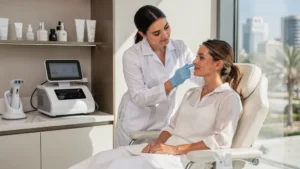
Consultation and scalp assessment. Before any treatment, the specialist maps the hair loss pattern, assesses the density of remaining follicles across the thinning zones, reviews your medical history, and confirms whether stem cell hair therapy is the right approach. This step is important because the treatment works best when follicles are still present but underperforming, rather than fully absent.
Preparation of the stem cell solution. Depending on the protocol used, stem cells may be derived from a small fat sample taken from the patient via a minimally invasive technique, or from a high-quality, standardised allogenic preparation. Allogenic stem cells, sourced from healthy donors and prepared to a consistent clinical standard, are increasingly favoured because they offer high potency regardless of the patient’s age or health status.
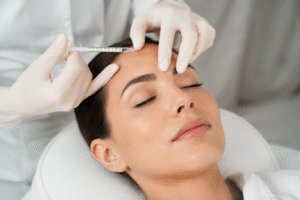
Scalp application. A topical anaesthetic is applied to ensure comfort. The stem cell solution is then injected across the treatment areas using fine needles, targeting the dermis layer where the follicle roots are anchored. The depth and distribution of the injections are calibrated to maximise contact between the stem cells and the follicle structures.
The session itself takes between 45 and 90 minutes. There is no surgical incision, no stitching, and no general anaesthesia. Most patients are comfortable throughout and able to return to normal activities the same day.
The Benefits of Stem Cells for Hair Restoration
The benefits of stem cells in a hair restoration context go beyond what other non-surgical treatments can deliver. Here is what the treatment specifically offers:
Follicle reactivation at the source. Rather than simply stimulating blood flow or delivering nutrients to the scalp surface, stem cell therapy works within the follicle’s own biological system. The regenerative signals delivered mimic and reinforce the body’s natural repair processes, prompting follicles that have slowed or stopped to re-enter the active growth phase.
Improved hair thickness and density. One of the consistently reported outcomes from stem cell hair therapy before and after comparisons is not just new growth, but a visible thickening of existing hair strands. Follicles that had been producing fine, fragile strands begin to produce stronger, denser hair as their cellular environment improves.
Anti-inflammatory effect on the scalp. Chronic low-grade scalp inflammation is increasingly understood as a contributing factor in hair loss, particularly androgenetic alopecia. Stem cells release anti-inflammatory cytokines that help calm this environment, removing one of the barriers to healthy follicle function.
Broad suitability. One of the practical advantages of stem cells is that the treatment works across multiple hair loss types. Whether the cause is genetic pattern baldness, stress-related diffuse thinning, post-illness hair loss, or hormonal-driven shedding, the follicle-level regeneration mechanism is relevant.
Minimal downtime. Unlike surgical approaches, stem cell hair treatment requires no recovery period that interrupts daily life. Mild redness or scalp sensitivity for 24 to 48 hours is the typical experience.
Long-lasting results. The effects of a properly administered course of stem cell hair therapy are not a short-term boost. The cellular changes triggered in the follicle continue to develop and consolidate over months, and results typically remain stable for one to two years following the initial course.
Stem Cell Hair Therapy Before and After: What the Timeline Looks Like
Setting realistic expectations is central to a good experience with this treatment. The results are genuine and often impressive, but they unfold gradually rather than immediately.
Weeks 1 to 4. The scalp begins its internal adjustment. Inflammation reduces and the regenerative signalling process gets underway. Externally, things look essentially the same. Some patients notice an initial increase in shedding during this period, which can feel alarming but is actually a normal part of follicle recycling. The weaker, miniaturised hairs shed to make way for healthier regrowth.
Months 2 to 3. Shedding stabilises and slows. Finer regrowth may begin to appear in areas that were visibly thinning. The scalp generally looks healthier and less inflamed.
Months 4 to 6. This is where the most visible change typically occurs in stem cell hair therapy before and after comparisons. Hair density increases noticeably, existing strands thicken, and the overall appearance of the hairline and crown improves meaningfully.
Months 6 to 12. The full extent of the result becomes visible. Most patients describe significant improvement in density and coverage, with hair that looks fuller and feels stronger. Results continue to consolidate through this period as collagen production and follicle health keep improving.
Stem Cell Hair Treatment Side Effects
Stem cell hair treatment is considered a very safe procedure when performed by qualified specialists using clinically vetted preparations. Understanding the side effect profile helps patients approach the treatment with confidence.
The most common experiences after treatment are mild and temporary: slight tenderness or sensitivity at the injection sites, localised redness in the treated scalp zones, and occasional minor swelling that settles within 24 to 48 hours.
As mentioned, a temporary increase in shedding in the first few weeks post-treatment can occur. This is a normal biological response rather than a sign that treatment is not working.
Serious stem cell hair treatment side effects are rare. The risk of allergic reaction is low, particularly with well-characterised allogenic preparations that undergo thorough safety testing. There is no risk of immune rejection associated with this non-surgical approach in the way that can occur with organ transplants. Infection risk is minimal when the procedure is performed in a clean clinical environment following proper protocols.
The most important factor in minimising any risk is choosing a clinic with experienced practitioners and transparent quality standards for the stem cell preparations used. This is something we take seriously at Modern Aestheticss.
Stem Cell Hair Therapy Cost
The cost of stem cell hair therapy varies depending on the specific protocol, the number of sessions included in the plan, and whether the treatment is combined with complementary approaches such as PRP or scalp mesotherapy.
As a premium regenerative treatment, stem cell hair therapy sits at a higher price point than basic clinical facials or topical infusion treatments. However, when viewed in the context of what it delivers and compared to the ongoing cost of medication, repeat PRP sessions, or surgical options, many patients find the value case compelling.
At your consultation at Modern Aestheticss, we provide a clear, detailed breakdown of the recommended programme and the associated stem cell hair therapy cost so there are no surprises. We do not offer one-size-fits-all pricing because the right plan for a patient with early diffuse thinning is different from what suits someone with more advanced loss.
Which Is Better: Stem Cell or PRP for Hair?
This is one of the most frequently asked questions from patients researching their options, and the answer depends on the individual’s situation.
PRP therapy concentrates the growth factors found naturally in the patient’s own blood platelets and delivers them to the scalp. It is a well-established treatment with a good track record, particularly for patients in the earlier stages of hair loss who have good platelet quality.
Stem cell hair treatment goes further. The concentration and diversity of regenerative signals in a stem cell preparation significantly exceeds what PRP alone can deliver. Stem cells also have the capacity to target and reactivate follicles that are more deeply compromised, making the treatment more appropriate for patients with moderate to advanced thinning or those who have had limited results from PRP.
For some patients, combining the two offers the strongest outcome. PRP provides an immediate growth factor boost while stem cells initiate the deeper, longer-term follicle repair. Your specialist will advise whether a combined or standalone protocol best fits your situation.
Who Is a Good Candidate for Stem Cell Hair Treatment?
Stem cell hair treatment is most effective for patients who:
Have early to moderate hair loss where follicles are present but producing weaker, thinner hair than previously. The treatment requires living follicles to work with.
Have tried other treatments including minoxidil, PRP, or supplements with limited or unsatisfactory results.
Cannot or prefer not to use medication-based options due to side effects or personal preference.
Are experiencing hair loss driven by genetics, stress, hormonal changes, or post-illness shedding.
Want a non-surgical solution with no meaningful downtime.
Patients with very advanced baldness where follicles have been absent for many years may see limited results from stem cell therapy alone and may be better suited for surgical consultation. This is something your specialist will assess honestly during your consultation.
Frequently Asked Questions
Is stem cell therapy for hair effective?
Yes. Clinical results consistently show improvements in hair density, strand thickness, and shedding reduction following a proper course of stem cell hair treatment. Results are most significant in patients with early to moderate hair loss where follicles are still viable.
How long do hair stem cell results last?
Results from a full course of treatment typically remain stable for one to two years. Maintenance sessions, usually once a year, help sustain and extend those results over the longer term.
What are the side effects of stem cell hair treatment?
Stem cell hair treatment side effects are generally mild and temporary: minor scalp tenderness, redness, and occasional swelling lasting one to two days. A brief increase in shedding in the first few weeks is normal. Serious side effects are rare when the treatment is administered by qualified practitioners.
Which is better, stem cell or PRP for hair?
Stem cell hair treatment is generally the stronger option for patients with more advanced thinning or those who have seen limited benefit from PRP alone. PRP remains well-suited for early-stage hair loss. Combining both can amplify results for the right patient profile.
What are the negative effects of stem cell therapy?
Beyond the minor temporary effects described above, the main risk factors are related to the quality of the preparation used and the skill of the administrator. Choosing an established clinic with verified stem cell sources and trained specialists mitigates these risks significantly.
How to thicken hair naturally?
Supporting hair thickness naturally involves a nutrient-dense diet rich in protein, iron, zinc, and biotin, managing stress levels, avoiding tight hairstyles that apply tension to follicles, using mild, sulphate-free haircare products, and staying well hydrated. For significant thinning, these lifestyle factors work best alongside a clinical treatment programme rather than as a standalone solution.
Who is a good candidate for hair stem cells?
Patients with early to moderate hair loss, intact but underperforming follicles, and realistic expectations about gradual improvement are the best candidates. Those seeking to avoid surgery or medication and who prefer a biologically driven approach are particularly well suited to stem cell hair therapy.
What are the big 3 for hair regrowth?
The three treatments most widely referenced in clinical hair restoration discussions are minoxidil (a topical or oral vasodilator that supports follicle blood flow), finasteride (a DHT-blocking medication primarily used in male pattern hair loss), and platelet-rich plasma therapy. Stem cell treatment sits alongside and often above these in terms of regenerative depth, particularly for patients who have not responded well to the conventional big three.
Start Your Hair Restoration Journey at Modern Aestheticss
Hair loss does not have to be accepted as permanent. Stem cell hair treatment offers a genuinely advanced, evidence-informed path to recovery that works at the level where the problem actually starts.
At Modern Aestheticss, we approach every patient with an honest assessment of what will work, a clear plan, and the clinical expertise to deliver results you can see. Your consultation is private, thorough, and without pressure.
Book your stem cell hair therapy consultation at Modern Aestheticss and take the first step toward hair you feel confident about again with our best dermatologist in Dubai.
Tags: stem cell hair treatment, stem cell treatment for hair loss, stem cell hair therapy, stem cell hair, benefits of stem cells, advantages of stem cells, stem cell hair therapy cost, stem cell hair therapy before and after, stem cell hair treatment side effects, hair restoration Kerala, hair loss clinic