You reach out to shake someone’s hand and feel that familiar wave of anxiety, knowing your palms are already damp. You avoid holding hands, hesitate before picking up your phone, and keep napkins close by at meetings. You have tried every hand cream, every trick, and every home remedy. Nothing has worked.
If this is your reality, you are not alone and you are not without options.
Excessively sweaty hands, clinically known as palmar hyperhidrosis, affect an estimated 70 million people worldwide. It is one of the most impactful dermatological conditions on quality of life, affecting work, relationships, self-confidence, and daily function in ways that are difficult to overstate. Yet most people who live with it have no idea that highly effective, medically proven sweaty hands treatments exist.
At Modern Aestheticss, under the expert care of Dr. Shubhangi Perkar, we treat palmar hyperhidrosis every day. This guide covers everything you need to know, what causes sweaty hands, how it is diagnosed, and which treatments genuinely work.
What Are Sweaty Hands? Understanding Palmar Hyperhidrosis
Palmar hyperhidrosis is the medical term for excessive, uncontrollable sweating of the hands and palms that goes far beyond what the body needs for normal temperature regulation. Unlike ordinary perspiration triggered by heat or exercise, palmar hyperhidrosis occurs regardless of temperature, physical activity, or external conditions. It can happen at rest, during sleep, or be triggered by the mildest emotional stimulus, sometimes by simply thinking about it.
The palms of the hands are exceptionally dense with eccrine sweat glands, the type responsible for producing clear, watery sweat. In people with palmar hyperhidrosis, the sympathetic nervous system sends overactive signals to these glands, causing them to produce far more sweat than is needed or appropriate for the situation.
The condition is classified in two broad categories:
Primary (Focal) Hyperhidrosis: The most common form, where excessive sweating occurs in specific areas (hands, underarms, feet, face) without an identifiable underlying medical cause. It is strongly linked to genetic factors, studies show that 30–60% of those with primary hyperhidrosis have a family member with the condition. It typically begins in childhood or adolescence and can persist for life without treatment.
Secondary (Generalised) Hyperhidrosis: Excessive sweating caused by an underlying medical condition such as thyroid disorders, diabetes, hormonal imbalances, certain medications, or infections. This type tends to involve more generalised sweating across the body rather than focal areas.
For a formal diagnosis of palmar hyperhidrosis to be made, excessive palm sweating must occur visibly and at least once per week, affect daily activities, and be bilateral (affecting both hands relatively symmetrically).
How Does Sweaty Hands Affect Daily Life?
The impact of palmar hyperhidrosis is frequently underestimated by those who do not experience it. Research consistently shows it carries the most significant negative quality-of-life burden of any dermatological condition. Those who live with it face challenges that go far beyond mild inconvenience:
Professionally: Handshakes are a cornerstone of business in Dubai’s corporate world. Wet, slippery hands during presentations, client meetings, or interviews can severely undermine professional confidence and how one is perceived. Handling documents, using keyboards, drawing, writing, and operating equipment all become significantly more difficult.
Personally and socially: Holding hands with a partner, greeting friends, attending social gatherings, all carry a layer of anxiety and avoidance for those with sweaty palms. Many people reduce their social interactions significantly as a result.
Physically: Constant moisture on the hands leads to skin maceration (softened, whitened skin), increased risk of fungal and bacterial infections, difficulty gripping objects safely, and uncomfortable coldness in the hands.
Emotionally: The cycle is self-reinforcing, anxiety about sweating causes more sweating, which causes more anxiety. Many patients describe hyperhidrosis as profoundly isolating, even when the people around them have no idea it is happening.
The good news is that every one of these impacts is addressable. Effective sweaty hands treatment genuinely transforms daily life and at Modern Aestheticss, we have seen the difference it makes for our patients firsthand.
What Causes Sweaty Hands?
Understanding the cause of your sweaty palms is the foundation of effective treatment. Several factors can contribute:
Overactive sympathetic nervous system: In primary hyperhidrosis, the sympathetic nervous system triggers the sweat glands at an abnormally high frequency. This is not a sign of weakness or anxiety, it is a neurological pattern that exists independently of emotional state, though stress and emotion can amplify it.
Genetics: Palmar hyperhidrosis runs in families. If a parent or sibling has the condition, your likelihood of developing it is significantly elevated.
Stress and anxiety: While anxiety does not cause hyperhidrosis, emotional stress reliably worsens it. The sympathetic nervous system’s “fight or flight” response directly activates sweat glands, so high-pressure environments and social anxiety create a feedback loop that intensifies sweating.
Hormonal changes: Fluctuating hormones during puberty, menstruation, pregnancy, or menopause can trigger or worsen sweaty palms. Thyroid overactivity (hyperthyroidism) is a common secondary cause and is assessed during diagnostic workup.
Diet and stimulants: Caffeine, alcohol, spicy foods, and nicotine can all stimulate the sympathetic nervous system and worsen sweating.
Underlying medical conditions: Diabetes, hypoglycaemia (low blood sugar), certain infections, and some neurological conditions can all cause secondary hyperhidrosis. A thorough clinical assessment rules these out before treatment begins.
Medications: Certain antidepressants, blood pressure medications, and hormonal treatments can cause or worsen excessive sweating as a side effect.
How Is Palmar Hyperhidrosis Diagnosed?
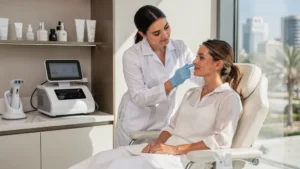
At Modern Aestheticss, every sweaty hands treatment journey begins with a thorough clinical assessment by Dr. Shubhangi Perkar. This is not a simple consultation, it is a detailed diagnostic evaluation to:
- Confirm the diagnosis of primary versus secondary hyperhidrosis
- Assess the severity of the condition using validated tools such as the Hyperhidrosis Disease Severity Scale (HDSS)
- Identify any contributing or underlying medical factors through targeted questioning and, where appropriate, blood tests
- Determine which treatment, or combination of treatments, will be most effective for your specific case
- Map the areas of maximal sweating on the palms
Diagnostic techniques may include:
The starch-iodine test is a classic, highly visual assessment where an iodine solution is applied to the palms, allowed to dry, and starch is then sprinkled over the area. Wherever sweat is present, the combination turns a deep blue-black colour, clearly mapping the distribution and extent of the hyperhidrosis.
Gravimetry (the paper absorption test) measures the actual volume of sweat produced over a defined time period, allowing objective severity classification.
Blood tests where clinically indicated to rule out thyroid dysfunction, diabetes, or hormonal causes.
This comprehensive approach ensures that your treatment plan is grounded in an accurate diagnosis, not a guess.
Sweaty Hands Treatments at Modern Aestheticss Dubai
We offer a full spectrum of clinically proven sweaty hands treatments, from non-invasive first-line options through to the most advanced medical interventions. Every plan is personalised to your severity, lifestyle, and treatment goals.
1. Botulinum Toxin (Anti-Sweat Injections) – The Gold Standard for Sweaty Palms
When people ask what the most effective treatment for sweaty palms is, botulinum toxin injections are consistently the answer, and the evidence strongly supports this. In clinical studies, botulinum toxin achieves meaningful improvement in palmar hyperhidrosis in approximately 90% of patients.
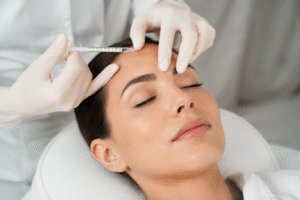
How it works: The same neurotoxin protein used in cosmetic anti-wrinkle treatments is precisely injected in small amounts at multiple points across the palms. These injections temporarily block the nerve signals that tell the eccrine sweat glands to produce sweat. The result is a dramatic, sustained reduction in palm sweating, without affecting sensation or hand function.
What to expect:
- A session involves multiple small injections across both palms
- Topical numbing cream and cooling techniques are applied beforehand to maximise comfort
- Results become apparent within 7–14 days
- Sweating is typically reduced by 80–90%
- Effects last 4–6 months, after which a repeat treatment is needed to maintain results
- No downtime; full normal activity immediately after
At Modern Aestheticss, Dr. Shubhangi administers botulinum toxin injections with exceptional precision and technique, maximising efficacy and patient comfort in equal measure.
Ideal for: Moderate to severe palmar hyperhidrosis; patients who want fast, significant, proven results; those who have tried topical treatments without sufficient effect.
2. Iontophoresis – Proven Non-Invasive Sweaty Palms Remedy
Iontophoresis is one of the most well-established and effective non-invasive sweaty palms treatments available, with decades of clinical evidence behind it. It is an excellent first-line clinical option for mild to moderate palmar hyperhidrosis.
How it works: The hands are immersed in shallow trays of tap water, through which a mild, controlled electrical current is passed. The current disrupts the function of the eccrine sweat glands at the skin surface, reducing their ability to produce sweat. The precise mechanism is still being studied, but the effectiveness is well-documented, iontophoresis produces meaningful reduction in sweat production in the vast majority of patients who complete a full course.
What to expect:
- Sessions typically last 20–30 minutes
- An initial course of 6–10 sessions (typically 2–3 per week) is needed to establish effect
- Most patients notice significant reduction in sweating within 2–4 weeks of starting
- Maintenance sessions (once weekly or fortnightly) are needed to sustain results
- The treatment is comfortable, most patients describe only a mild tingling sensation
- No downtime, no medication, no side effects
Iontophoresis is particularly suitable for patients who prefer a non-injectable approach, or as a maintenance strategy between botulinum toxin treatment sessions.
Ideal for: Mild to moderate palmar hyperhidrosis; patients preferring a non-injection approach; maintenance treatment between botulinum toxin sessions.
3. Prescription Topical Antiperspirants
For mild palmar hyperhidrosis or as a supportive measure alongside other treatments, prescription-strength aluminium chloride antiperspirants can provide meaningful improvement where over-the-counter products have failed.
How they work: High-concentration aluminium chloride (typically 20% in anhydrous ethanol) creates a physical plug within the sweat gland ducts, temporarily blocking sweat output. These are significantly more potent than anything available over the counter and require a medical prescription.
How to use: Applied to completely dry palms at bedtime and rinsed off in the morning. Consistency is essential, irregular use produces inconsistent results.
Important notes:
- Prescription antiperspirants work best for mild cases or as an adjunct to clinical treatments
- Skin irritation is the most common side effect; applying only to completely dry hands minimises this
- They do not address the underlying nerve signalling and require ongoing use to maintain effect
4. Oral Anticholinergic Medications
Where other measures have been insufficient, oral anticholinergic medications can be prescribed to reduce sweating across the body, including the hands. These medications work by blocking the nerve signals that trigger sweat gland activation throughout the autonomic nervous system.
Common medications: Glycopyrrolate (Robinul) is the most frequently prescribed anticholinergic for hyperhidrosis. It can significantly reduce sweating but works systemically, meaning it reduces sweating body-wide, not just in the hands.
What to expect:
- Reduction in sweating across multiple areas of the body
- Onset of effect within 1–2 weeks
- Requires ongoing daily use
- Side effects can include dry mouth, dry eyes, blurred vision, urinary hesitancy, and constipation, these are dose-dependent and managed by starting at the lowest effective dose
Oral medications are typically used when multiple areas are affected, or as an adjunct to topical and injectable treatments in more severe cases. Dr. Shubhangi will assess whether this is appropriate for your specific presentation.
5. Lifestyle and Complementary Strategies
While clinical treatments are far more effective than lifestyle measures alone for established palmar hyperhidrosis, certain adjustments can meaningfully support your treatment and help manage day-to-day comfort between sessions.
Reduce sweat triggers: Caffeine, alcohol, spicy foods, and nicotine all stimulate the sympathetic nervous system. Reducing or eliminating these can lower baseline sweat production noticeably.
Stress management: Since anxiety amplifies palmar hyperhidrosis, building consistent stress-reduction practices, regular sleep, exercise, mindfulness, breathwork, or professional support for anxiety, can reduce the frequency and intensity of sweating episodes.
Hand hygiene: Keeping hands clean and dry reduces the risk of secondary complications such as fungal infections (tinea manuum) and skin maceration. Carrying clean cotton handkerchiefs or absorbent wipes for discreet management in social situations can provide practical day-to-day relief.
Dietary magnesium and B vitamins: Some evidence suggests that adequate magnesium and B-vitamin intake supports healthy nervous system function. While not a substitute for clinical treatment, ensuring nutritional adequacy supports overall wellbeing and may contribute marginally to sweat regulation.
Breathable hand fabrics: If hand sweating is particularly problematic in certain contexts (gym, sport, driving), moisture-wicking or copper-infused gloves designed for hyperhidrosis can provide temporary practical relief.
When to See a Doctor About Sweaty Hands
Many people with palmar hyperhidrosis tolerate it for years before seeking help, often because they do not realise it is a medical condition with effective treatments. You should book a medical assessment if:
- Sweating is visible, frequent (at least once per week), and clearly excessive
- It interferes with your work, studies, social interactions, or daily tasks
- Over-the-counter products have not provided meaningful relief
- The sweating began suddenly or worsened without an obvious cause
- You are experiencing other symptoms alongside the sweating (weight loss, fatigue, increased heart rate, changes in temperature tolerance), these may indicate an underlying condition requiring investigation
- The condition is causing emotional distress, social anxiety, or withdrawal from activities you previously enjoyed
There is no benefit in waiting. The earlier palmar hyperhidrosis is treated, the more readily it responds, and the sooner quality of life is restored.
Sweaty Hands in Dubai’s Climate: Why Treatment Matters More Here
Dubai’s climate presents unique challenges for anyone with palmar hyperhidrosis. The intense summer heat (regularly exceeding 40°C), the combination of extreme outdoor heat and aggressively air-conditioned indoor environments, and the culture of frequent handshaking in both professional and social settings create a particularly difficult environment for those with sweaty hands.
The rapid temperature shifts between outdoor heat and indoor cooling can repeatedly trigger the sympathetic nervous system’s sweat response throughout the day. And in a city built on relationship-driven business, where a firm, dry handshake matters in every meeting, the professional and social impact of palmar hyperhidrosis is acutely felt.
This is precisely why specialist sweaty hands treatment in Dubai, not just generic online advice, makes a genuine, life-changing difference for our patients.
Why Choose Modern Aestheticss for Sweaty Hands Treatment in Dubai?
At Modern Aestheticss, dermatology and aesthetics are not separate disciplines, they are integrated under one expert roof. Led by Dr. Shubhangi Perkar, a highly experienced female dermatologist with over a decade of specialist practice, we approach hyperhidrosis with the same clinical rigour and personalised care that defines everything we do.
What sets us apart:
- Specialist diagnosis: Every treatment journey begins with a thorough clinical assessment including severity grading, potential secondary cause exclusion, and diagnostic mapping
- Botulinum toxin expertise: Dr. Shubhangi’s precision and technique in anti-sweat injections ensures maximum efficacy and patient comfort
- Full treatment spectrum: From iontophoresis and prescription topicals through to botulinum toxin and oral medications, we offer every evidence-based treatment in one clinic
- Personalised treatment plans: Your severity, lifestyle, and goals guide every decision; no generic protocols
- A female-led, sensitive environment: Many patients feel embarrassed discussing hyperhidrosis. At Modern Aestheticss, your concerns are received with understanding, professionalism, and zero judgment
- Ongoing support: We manage maintenance schedules, monitor results, and adjust treatment as your needs evolve
Frequently Asked Questions
Is sweaty hands treatment permanent?
Botulinum toxin provides long-lasting results (4–6 months per treatment) but is not permanent. Iontophoresis requires ongoing maintenance sessions. Surgical options (ETS) can provide more permanent results but carry higher risks and are generally considered a last resort after other treatments have been thoroughly explored. Most patients find regular botulinum toxin treatments to be a highly manageable and highly effective long-term solution.
Is the botulinum toxin injection for sweaty hands painful?
The palms are sensitive areas. At Modern Aestheticss, we apply topical numbing cream and use cooling techniques to significantly reduce discomfort. Most patients describe the injections as manageable, particularly in the context of the dramatic, lasting relief they produce.
How long does a botulinum toxin sweaty hands treatment last?
Results typically last 4–6 months. Many patients schedule treatment twice a year to maintain consistent results. With regular treatment over time, some patients find that their sweating reduces progressively and sessions can be spaced further apart.
Can sweaty hands be cured completely?
Primary palmar hyperhidrosis does not have a one-time permanent cure for most people in the non-surgical category. However, with regular botulinum toxin treatment or consistent iontophoresis, sweating can be reduced to minimal or zero levels, effectively functioning as a long-term management solution that restores normal daily life.
Does iontophoresis work for everyone?
Iontophoresis is effective for the majority of patients with mild to moderate palmar hyperhidrosis. It requires patience, a full course of sessions is needed before results are apparent, and consistency in maintenance. It is less reliably effective for severe cases, where botulinum toxin is typically the better choice.
Can I combine treatments?
Yes, and in many cases, a combination approach produces the best results. For example, botulinum toxin for significant reduction, supported by iontophoresis for maintenance between injection sessions, and lifestyle modifications for day-to-day management. Dr. Shubhangi will advise the optimal combination for your specific severity and goals.
How do I know if my sweaty hands are caused by an underlying condition?
During your consultation, Dr. Shubhangi will take a full medical history and assess for any signs or symptoms suggesting secondary hyperhidrosis. Blood tests may be ordered if thyroid dysfunction, diabetes, or hormonal causes are suspected. This diagnostic step is essential before any treatment is recommended.
Book Your Sweaty Hands Treatment Consultation in Dubai
Living with excessively sweaty hands is not something you have to continue tolerating. Effective sweaty hands treatment is available, it works, and it genuinely transforms daily life. Book your appointment and that step is easier than you might think.
At Modern Aestheticss, Dr. Shubhangi Perkar will listen to your story, assess your condition thoroughly, and design a personalised treatment plan that is right for you.