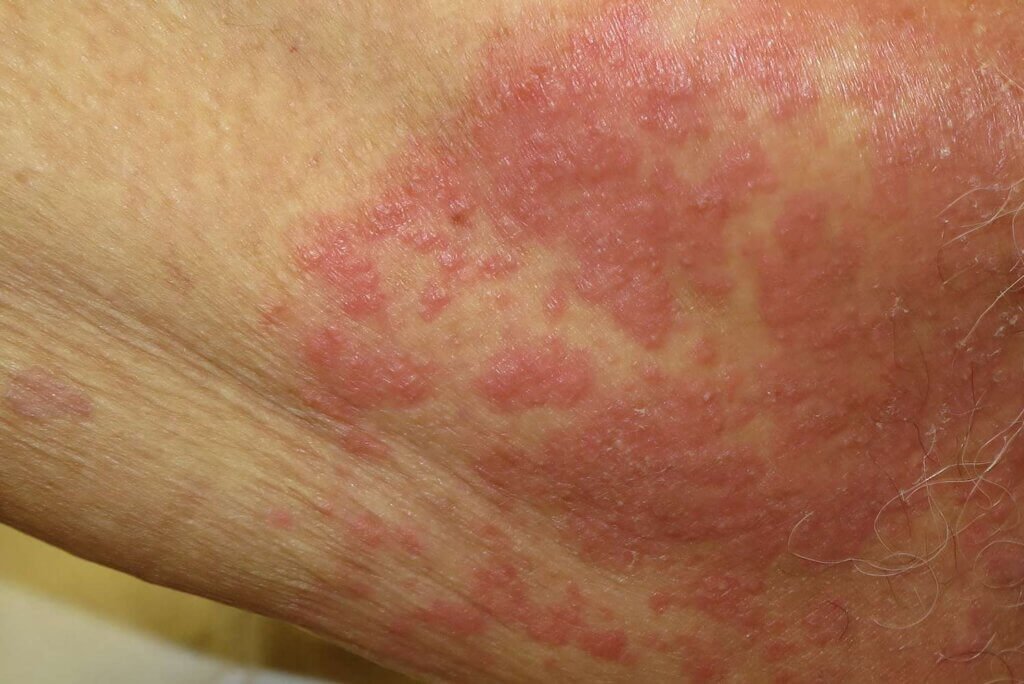
A fungal infection happens when a type of fungus grows more than it should on the body’s surface. Many fungi naturally exist in our environment, and some can live on the skin without causing problems. When conditions are right (such as warmth and moisture), they can multiply and lead to symptoms like itching, scaling, redness, white patches on skin, or changes in the nails. In Arabic, fungal infection means عدوى فطرية.
Fungal infections can affect several areas, including the skin, nails, ears, and face. They are usually manageable, but they can look similar to other conditions, so an accurate diagnosis is important before starting treatment. This helps differentiate fungal conditions from concerns that may need eczema treatment or psoriasis treatment instead.
Fungal infections can present in different ways depending on where they occur. Skin fungal infections often appear as itchy, scaly patches, sometimes with a clearer edge or mild redness.
Nail fungal infections may cause thickening, discoloration, brittleness, or crumbling at the nail edge, which is why people often ask about best treatment for fungal nail infection options.
Ear symptoms can also be caused by fungus in some cases. A fungal ear infection may lead to itching, discomfort, a blocked sensation, or discharge.
Develop a personalized treatment plan, guided by a best dermatologist in Dubai
In unclear cases, diagnostic support such as skin biopsy or a histopathology test may be advised to confirm the diagnosis before treatment.
Treatment depends on the location, severity, and how long the infection has been present. Common options include:
It is understandable to try over-the-counter options first, but self-treatment has limitations. Many rashes look similar, and using the wrong product can irritate the skin or temporarily mask symptoms without treating the cause. This can increase the chance of recurrence.
Professional care matters because accurate diagnosis guides the right treatment choice, the right duration, and the right supportive steps. Dermatology-guided care also helps reduce unnecessary medication use and supports safer outcomes, particularly for sensitive areas like the face and ears.
A dermatologist-led approach is also helpful in a multicultural city where patients may have different skin and nail types, sensitivities, and lifestyle patterns. If you are seeking Fungal Infection Treatment in Dubai, a personalized plan and clear follow-up can make treatment feel straightforward and manageable.
Fungi grow best in warm, moist environments. Common triggers include sweating, prolonged dampness (such as wet socks or tight clothing), and a weakened skin barrier. A dermatologist can help confirm whether the cause is fungal or something else.
They can look similar, which is why diagnosis matters. Fungal rashes often have scaling and may spread slowly, while bacterial infections may be more tender and can develop faster. The safest way to differentiate is a clinical exam, and sometimes a simple test, before starting anti fungal infection treatment or antibiotics.
Keep skin clean and dry, especially between toes and in skin folds. Change out of sweaty clothes promptly, dry well after showers, and avoid sharing towels, socks, or shoes. If you are prone to recurrences, your dermatologist may recommend a routine to reduce risk.
Some fungal infections can spread through direct skin contact or shared items, while others are more related to personal skin conditions and moisture. Good hygiene and not sharing personal items are sensible precautions.
It depends on the type and location. Some skin infections improve within weeks, while nail infections can take months because nails grow slowly. Your dermatologist will explain expected fungal infection treatment time and when follow-up is recommended.
Modern Aestheticss © All Rights Reserved.
UAE MOHAP Advertisement License No : ZI5CU0IB-25032