Psoriasis is a chronic inflammatory, immune-mediated skin condition. In simple terms, the immune system becomes overactive in the skin and signals skin cells to grow and mature too quickly.
Normally, your skin cells renew on a steady schedule. With psoriasis, that “turnover” speeds up dramatically, so cells build up on the surface before they have time to shed naturally. This creates the classic visible findings: thicker patches (plaques), redness from inflammation, and silvery-white scale.
What Causes Psoriasis?
Immune system involvement: Psoriasis is linked to dysregulation of the immune system, particularly inflammatory pathways that influence how the skin grows and how blood vessels and immune cells behave within the skin.
Genetic factors: Many people with psoriasis have a family history of psoriasis or related immune conditions, although it can occur without any known family history.
Environmental and lifestyle triggers: Even when someone has a genetic tendency, triggers often determine when psoriasis shows up and how active it becomes.
What Are The Symptoms?
Red, raised patches covered with silvery scales
Itching or burning sensations
Cracked or bleeding skin in severe cases
Commonly affects elbows, knees, scalp, and lower back
Understanding psoriasis types helps us choose the right treatment plan and set expectations.
Psoriasis vulgaris (plaque psoriasis)
Psoriasis vulgaris is the most common form. It typically appears as well-defined plaques with scale on the elbows, knees, scalp, and trunk. Thickness and itch can vary widely.
Guttate psoriasis
Guttate psoriasis often appears as many small “drop-like” spots on the body, sometimes after an infection (classically strep throat). This type can be more sudden in onset, and in some patients it improves significantly over time.
Inverse psoriasis
Inverse psoriasis tends to occur in skin folds such as the underarms, groin, or under the breasts. Because these areas are moist, it may look red and shiny with less visible scale, and it can be easily mistaken for a fungal rash.
Pustular and erythrodermic psoriasis
Pustular psoriasis involves pustules (pus-like bumps) and requires careful medical evaluation. Erythrodermic psoriasis is rarer but serious, with widespread redness, scaling, and systemic symptoms. If you ever develop rapidly spreading redness, pain, fever, or feel unwell, you should be evaluated urgently.
Severity and location can vary by type, and even the same person may experience different patterns over time.
How We Treat Psoriasis at Modern Aestheticss?
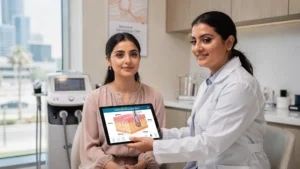
Our treatment approach combines medical expertise and advanced technology to control inflammation, reduce flare-ups, and improve skin appearance.
• Guidance on avoiding triggers such as stress or skin injuries • Daily moisturization and gentle skin care • Nutritional advice and emotional support
Why You Need A Doctor's Consultation
Each case of psoriasis is unique
Proper diagnosis prevents unnecessary treatments
Helps manage severity and prevent complications
At Modern Aestheticss Dermatology and Laser Clinic, it’s always supervised by a qualified doctor to ensure safe and effective care for the Psoriasis treatment in Dubai.
Psoriasis can be frustrating, but you are not alone, and you do have options. With the right diagnosis and a personalized plan, most patients are able to reduce flare-ups, relieve itch and discomfort, and feel more confident in their skin.
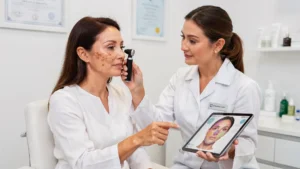
If you are considering psoriasis treatment in Dubai, a consultation is a calm, practical starting point. We can confirm what type of psoriasis you have, discuss triggers and daily care, and build a long-term approach that fits your skin, your health, and your life. At Modern Aestheticss, our best dermatologist can evaluate your skin, confirm the diagnosis, and discuss a treatment plan built around safe, evidence-based psoriasis care. You can learn more about the clinic at Modern Aestheticss and book a consultation when you feel ready.
Frequently Asked Question
Is psoriasis contagious?
No, psoriasis is an autoimmune condition and cannot be spread to others.
Can psoriasis be cured?
There is no permanent cure, but symptoms can be effectively managed with treatment and lifestyle modifications.
How long before I see results?
Improvement is usually seen within 4–8 weeks depending on severity and treatment adherence.
Is psoriasis the same as eczema?
No, but psoriasis vs eczema can be confusing because both can cause red, itchy, inflamed skin. Accurate diagnosis matters because treatment choices differ, particularly for the face, folds, and long-term control.
How do you remove psoriasis?
We typically focus on controlling psoriasis rather than permanently removing it. Treatment aims to reduce inflammation, slow skin cell turnover, and maintain remission with the least intensive plan that keeps you comfortable.
Why Choose Modern Aestheticss?
Expert dermatologists specializing in chronic skin conditions
Advanced therapies including biologics, phototherapy, and topical medications
Personalized care and long-term support
Education on lifestyle modifications and trigger management