Pigmentation is one of the most common reasons people in Dubai book a skin consult, and it makes sense. Strong UV exposure, heat, and busy lifestyles can keep dark patches and uneven tone “stuck” for months. If you have tried brightening creams with limited change, laser treatment for pigmentation can be a precise next step, but only when the right laser and plan match the right pigment type.
This guide breaks down what to expect from clinic-based laser, what can go wrong (and how to reduce the risk), and the aftercare that protects your results.
First, what are we actually treating?
If you are wondering what is pigmentation, it is simply extra melanin (skin pigment) collecting in certain areas, creating brown, grey, or sometimes patchy discoloration. Pigmentation can be superficial (closer to the skin surface) or deeper (sitting lower in the skin), and that depth strongly affects which treatment works best.
Many people search for the best treatment for pigmentation on face, but there is no single “best” option for everyone. The best option depends on:
- The pigment type (sunspots, freckles, post-acne marks, melasma)
- The depth (epidermal vs dermal)
- Your skin tone and sensitivity
- Your sun exposure habits (especially relevant in Dubai)
Common types and why diagnosis matters
Pigmentation is a label, not a diagnosis. Two people can have “dark spots” and need completely different plans.
- Sunspots and age spots often respond well to targeted energy.
- Post-inflammatory hyperpigmentation (PIH) often needs a gentler approach with careful settings.
- Melasma and pigmentation are closely linked, but melasma is usually chronic and can relapse without maintenance.
For a deeper overview of spot types and treatment options, you can also read Modern Aestheticss’ guide on brown and age spots.
Why pigmentation shows up (and why it keeps coming back)
Understanding the trigger helps you keep results longer. The most common causes of pigmentation on face include:
- UV exposure (daily incidental sun adds up)
- Hormonal shifts (pregnancy, contraception, thyroid issues)
- Heat and inflammation (including aggressive skincare)
- Acne and picking (leading to PIH)
- Certain medications and photosensitizing ingredients
In Dubai, many patients underestimate “in-between exposure”, like walking from parking to office, sitting by bright windows, or weekend pool time.
Laser treatment procedures: what happens in clinic
A safe, modern plan is not “one laser fits all.” At Modern Aestheticss Dermatology and Laser Clinic, your dermatologist typically focuses on matching the device and settings to your pigment type and skin tone, then building a realistic schedule.
Here is how laser treatment for pigmentation usually works in practice.
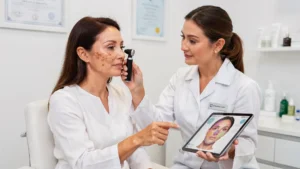
1) Consultation and skin assessment
A dermatologist first confirms what the pigment is (and what it is not). This matters because some lesions need medical evaluation rather than aesthetic treatment. A good consult often includes:
- Reviewing your skin history (melasma, eczema, acne, prior lasers/peels)
- Checking current skincare (retinoids, acids, steroids)
- Discussing sun habits and upcoming travel
- Setting expectations: improvement is common, perfection is not always realistic
If you have sensitive or deeper skin tones, a patch test may be recommended to reduce the risk of post-treatment darkening.
2) Choosing the right laser approach
People often use the phrase laser for pigmentation, but in reality there are different laser categories. Your dermatologist may choose one of these strategies:
- Targeted pigment lasers (often used for discrete spots)
- Fractional laser resurfacing (sometimes used when texture, pores, and pigmentation overlap)
- Combination protocols (laser plus topical prep, then maintenance)
This is where “good outcomes” come from: correct diagnosis, correct device, correct settings, correct spacing between sessions.
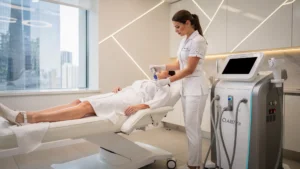
3) Treatment day: the basics
Most sessions are quick. Typically you can expect:
- Cleansed skin and protective eye shields
- A controlled “snap” or warm prickling sensation
- Cooling during or after to calm heat
- Post-care instructions that are just as important as the laser itself
When done correctly, laser pigmentation removal is usually a controlled injury designed to break pigment clusters while protecting surrounding skin.
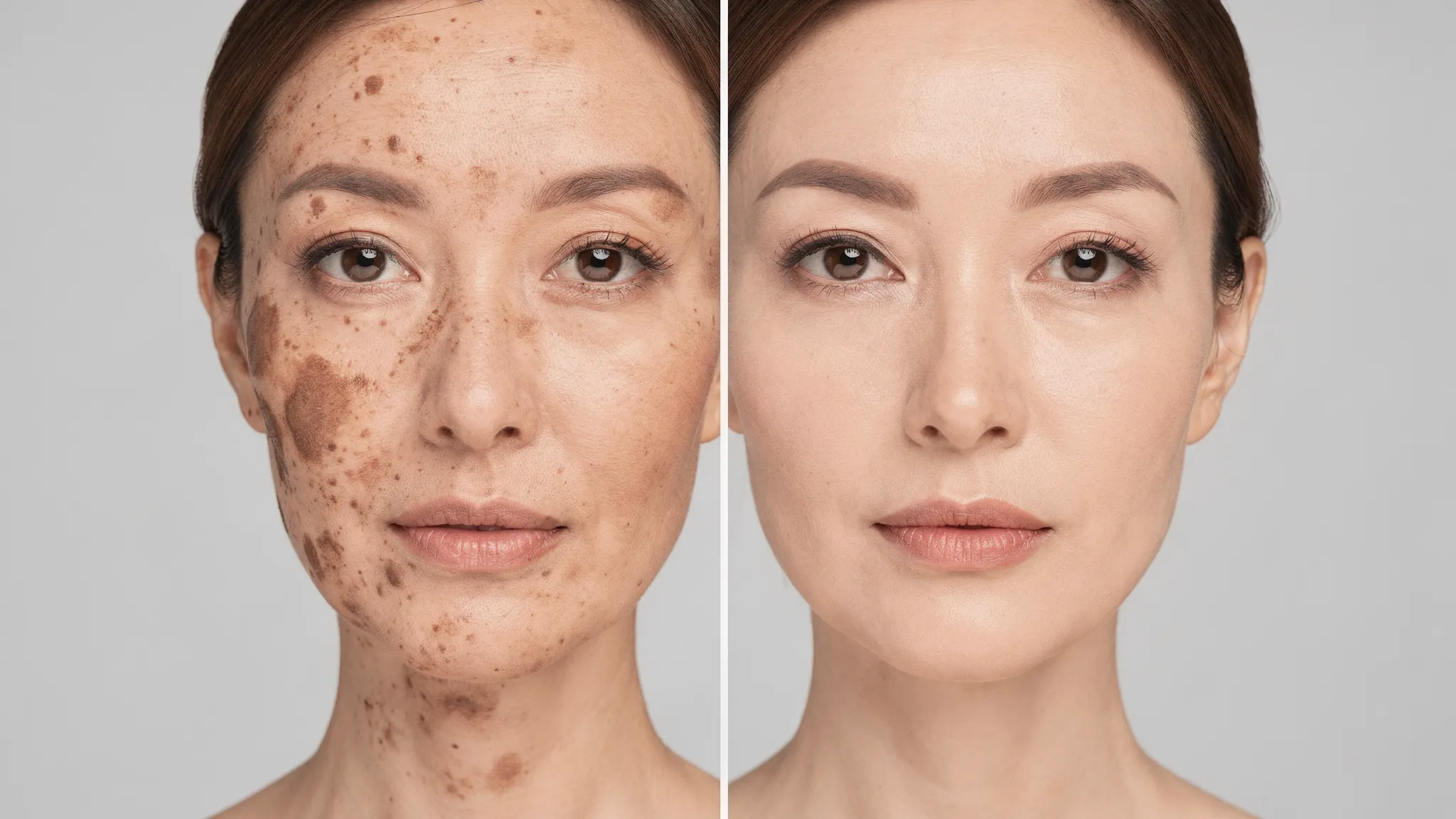
What “real before and after results” should look like (and how to judge them)
In 2026, the biggest trend in aesthetic dermatology is not louder marketing, it is better documentation. Strong clinics show results with:
- The same lighting, angle, and facial expression
- No makeup or filters
- A clear timeline (for example: baseline, 4 weeks, 8 weeks)
Typical improvement timeline (simple and realistic)
- After 1 session: you may see spot darkening first (a normal step for some pigments), then gradual fading.
- After 2–4 sessions: many patients notice clearer tone and less patchiness.
- Over 8–12+ weeks: results often look more “natural” as skin calms and pigment clears.
Your dermatologist should also explain what is considered “success” for your pigment type (especially for melasma, where control and maintenance are the goal).
Laser vs other options: what to choose and when
Laser is powerful, but it is not always the first move. Many dermatologists build a layered plan, especially for patients in Dubai with frequent sun exposure.
Here is a simple comparison to help you decide what conversation to have in your consult.
| Option | Best for | Typical downtime | Key risk to plan for |
|---|---|---|---|
| Laser | Defined spots, stubborn pigment, mixed tone (when correctly selected) | Low to moderate | PIH in darker or reactive skin if settings are too aggressive |
| IPL photofacial | Diffuse sun damage and overall brightening (selected skin tones) | Low | Can be less precise for deeper pigment |
| chemical peel for pigmentation | Superficial dullness, mild pigment, acne-related discoloration | Low to moderate | Irritation leading to rebound darkening if peel is too strong |
| Microneedling | Texture + acne marks + gentle brightening support | Low to moderate | Temporary redness, needs sun discipline |
If you want to understand the device differences between light-based options, Modern Aestheticss also breaks it down in IPL vs laser for pigmentation removal.
Risks and side effects (and how good clinics reduce them)
Even when done well, pigmentation lasers are medical-grade procedures. The most important thing is not fear, it is planning.
Common risks
- Temporary redness, warmth, mild swelling
- Spot darkening and mild flaking (common with certain pigment targets)
- Post-inflammatory hyperpigmentation (PIH), especially if skin is tanned or irritated
- Hypopigmentation (light spots) in rare cases with over-treatment
- Blistering or burns (uncommon with experienced operators and good protocols)
- Cold sore flare (if you have a history of HSV around the mouth)
What reduces risk the most
- A dermatologist-led plan (especially for medium to deeper skin tones)
- Avoiding treatment on freshly tanned skin
- Patch testing when appropriate
- Conservative settings with gradual build
- Strict aftercare and sunscreen
For patients who are prone to PIH, this related guide may be helpful: post-laser hyperpigmentation treatment and prevention.
Aftercare: the simple routine that protects your investment
Aftercare is not a “nice to have.” In Dubai, it is often the difference between a clean fade and pigment coming back.
The first 48 hours
Focus on calming and protecting.
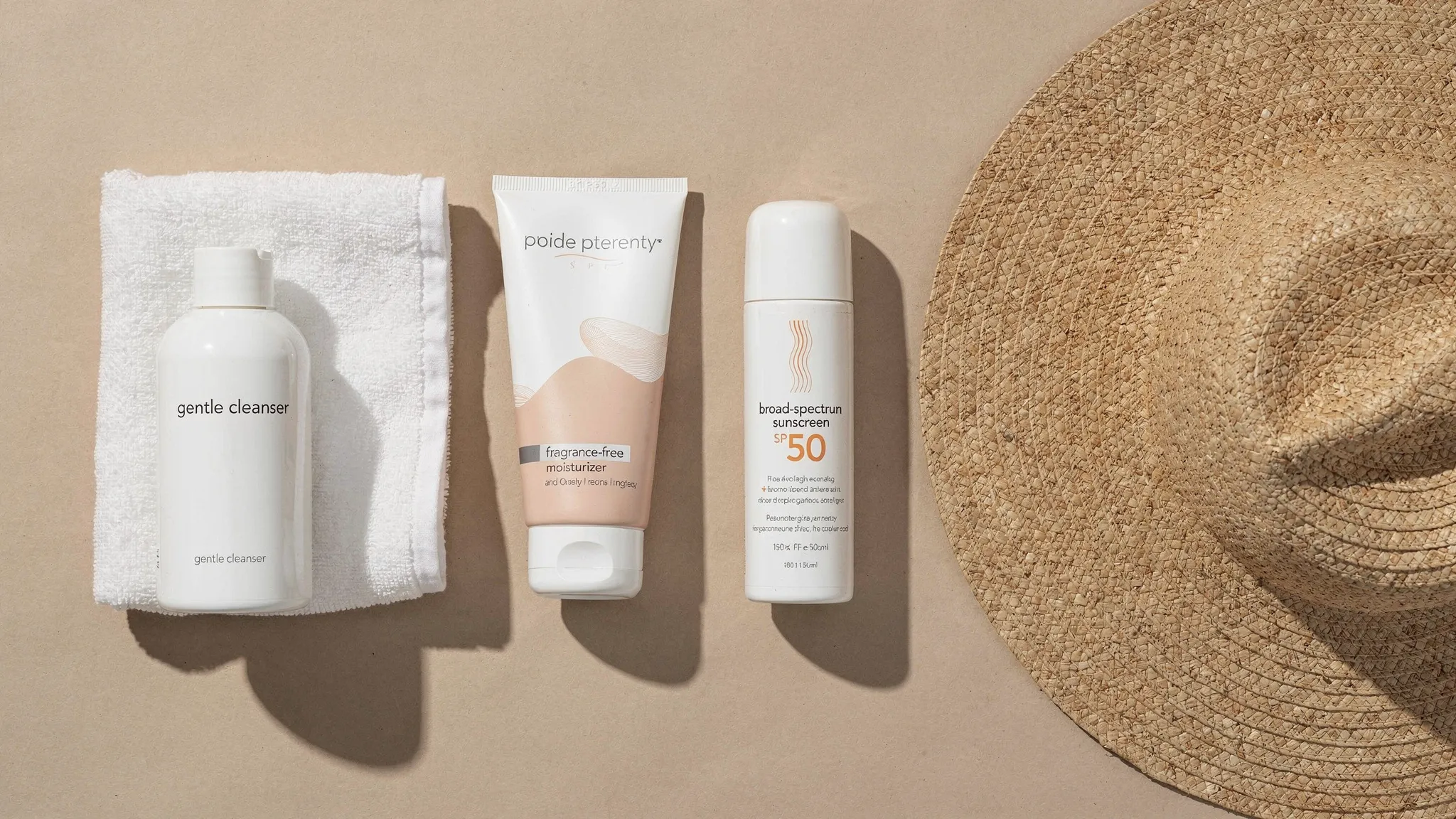
- Use a gentle cleanser and bland moisturizer
- Avoid heat (hot yoga, saunas, steam rooms)
- Do not scrub, pick, or use exfoliating brushes
- Avoid active ingredients unless your dermatologist specifically okays them
Week 1 to Week 4
This phase is about preventing rebound pigmentation.
- Wear broad-spectrum sunscreen daily (the American Academy of Dermatology recommends broad-spectrum SPF 30 or higher)
- Reapply when outdoors or near windows for long periods
- Pause strong acids/retinoids until cleared by your dermatologist
- Avoid tanning, beach days, and outdoor workouts at peak UV
A simple aftercare timeline can help you stay consistent:
| Time after laser | What to do | What to avoid |
|---|---|---|
| 0–2 days | Calm skin, moisturize, sun protect | Heat, friction, harsh actives |
| 3–7 days | Continue sunscreen, gentle routine | Scrubs, peels, picking flakes |
| 2–4 weeks | Maintain sunscreen, follow pigment-prep plan | Tanning and “at-home acid experiments” |
Smart combination plans (when you want faster, safer results)
For many patients, the best results come from combining treatments strategically rather than “chasing spots” aggressively.
Examples your dermatologist may discuss:
- Gentle laser sessions plus peels or topical prep for tone control
- Microneedling for collagen support when pigment and texture overlap
- HIFU (High-Intensity Focused Ultrasound) for collagen stimulation (not a pigmentation treatment, but useful if laxity and dullness coexist)
- “Liquid facelift” options like dermal fillers and Botox for facial balance and wrinkle softening, while laser addresses tone
If laser hair reduction is also part of your routine, it is worth mentioning in your consult so your dermatologist can time treatments appropriately. Modern Aestheticss uses Laser Hair Reduction- CLARITY II for hair reduction, which is a different indication and protocol than pigment-focused lasers.
Choosing the right provider in Dubai
Because pigment can worsen if treated incorrectly, the provider matters as much as the device. Look for a clinic that:
- Diagnoses the pigment type before treating
- Explains your risk profile (especially if you tan easily)
- Shows consistent before and after photography
- Gives clear written aftercare
If you are considering laser treatment for pigmentation in Dubai, consult with a dermatologist who treats pigmentation daily and is comfortable tailoring protocols for different skin tones. At Modern Aestheticss Dermatology and Laser Clinic, patients often book specifically with Dr. Shubhangi Perkar for dermatologist-led planning and careful follow-up. Many locals also refer to the clinic when searching for the Best Dermatologist in Dubai for advanced laser and aesthetic care.
To explore options or book a consultation, visit Modern Aestheticss.