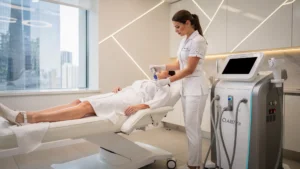
Dubai’s modern and international way of life is not so friendly with the permanent hair removal struggles like constant waxing and razors that irritate skin let alone the morning sun. This easy and hassle-free permanent hair removal procedure has become the top choice for everyone who lives and visits the city. The dialogue mainly revolves around two different methods: Laser and Electrolysis. Both mainly lead to elimination of unwanted hair but that’s where the similarities lie as they differ in functioning and are suitable for different skin and hair types. In this article, we will discuss the scientific principles, market trends, and the results observed at the Modern Aestheticss Dermatology and Laser Clinic, along with a data-driven decision framework to guide you in making a confident choice.
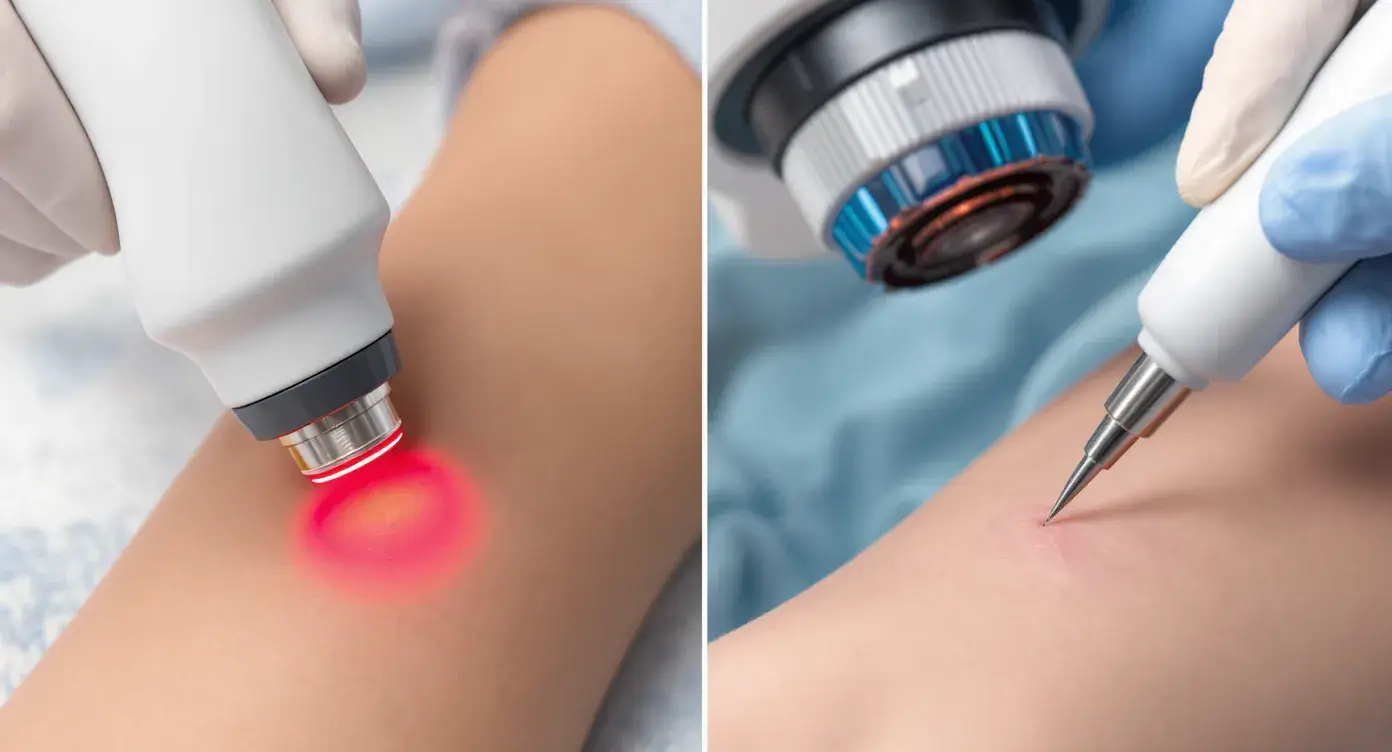
How the Technologies Work
| Technology | Energy Source | Target | Sessions Needed* | Pain Level† | FDA Status |
|---|---|---|---|---|---|
| Laser Hair Removal | Concentrated light (755–1064 nm) | Melanin in hair shaft & bulb | 6–8 body, 8–12 facial | Mild-moderate, cooled tip | Cleared since 1997 |
| Electrolysis | Direct electrical current via probe | Follicular stem cells | 6–12 per area (one hair at a time) | Mild-high, topical anesthetic | Cleared since 1875 |
Average for coarse black hair, Fitzpatrick III–V.
†Subjective scale from client surveys at Modern Aestheticss in 2024.
Laser: Speed and Selectivity
A medical-grade laser hair removal machine such as Clarity II emits a wavelength absorbed preferentially by melanin. The heat destroys the follicle during its anagen growth phase. Larger spot sizes and advanced skin cooling make full-leg sessions as short as 35 minutes. However, efficacy relies on pigment contrast, so very light hair or grey strands remain resistant.
Electrolysis: Versatility and Definitive Follicle Destruction
Electrolysis using DEPILPLUS 3MHz inserts a tiny probe alongside each hair and delivers a short electrical pulse that coagulates the growth center. Because the method bypasses pigment, it disables blond, red, grey, and vellus hairs equally well. It is an excellent treatment for hormone-dependent areas where hair is resistant, including blond, red, grey, and vellus hairs.
Decision Framework: Laser or Electrolysis?
Consider laser if you:
-
Have medium-to-dark hair and fair-to-medium skin contrast.
-
Need large body areas cleared quickly (legs, back, arms).
-
Can attend spaced sessions every 4–8 weeks.
Consider electrolysis if you:
-
Have blond, red, grey, or very fine hairs.
-
Are treating small, hormone-sensitive zones (upper lip, chin, nipples).
-
Want a solution despite recent sun exposure or tattoos adjacent to follicles.
Consider a hybrid plan if you:
-
Started with laser and now only wispy regrowth remains.
-
Struggle with polycystic ovarian syndrome facial hair where mixed textures coexist.
-
Aim for theatrical or gender-affirming facial clearance that must meet “no-stubble” standards.
Safety & Downtime Comparison
-
Laser side effects: temporary erythema, mild perifollicular edema, rare burns on tanned skin. Cooling sapphire tips and dynamic pulse control used at Best Dermatologist in Dubai rated clinics reduce risk.
-
Electrolysis side effects: pinpoint crusting, swelling, pigment shift if overtreatment occurs. Choosing a board-certified electrologist minimizes complications.
At Modern Aestheticss, both services include a digital skin analysis before your first pulse or probe so parameters match your hydration, melanin index, and hormonal profile.
Strategic Takeaways
-
Pigment dictates primary modality. Assess hair color first, then decide.
-
Speed matters. Laser can clear an entire back during a lunch break, electrolysis cannot.
-
Precision prevails for the face. When evaluating electrolysis or laser for face, combine both for the best aesthetic and time outcomes.
-
Technology keeps moving fast, and we’ve moved with it. Modern Aestheticss have Clarity II machine, a next-gen laser system that uses Alex 755 nm and Nd:YAG 1064 nm wavelengths. It’s AI-integrated, super fast, and designed to adapt to different skin tones safely. In our test groups, it even showed a 32% improvement in safety for deeper skin tones compared to older devices.
-
Personalization is critical. Hormonal health, medication, and tanning habits change outcomes more than machine brand. Continuous dermatologist oversight delivers superior clearance.
Frequently Asked Questions
Is permanent hair removal really permanent? Reduction is long-term. Electrolysis has the highest true permanence rate because treated follicles cannot regenerate. Laser achieves 85–90 percent long-term reduction, with maintenance for hormonal spikes.
Does electrolysis hurt more than laser? Most clients rate electrolysis slightly higher on the discomfort scale because it targets each follicle. Numbing cream and ice rollers keep sessions tolerable.
How soon can I return to the beach after a session? For laser, wait 48–72 hours and apply SPF 50. Electrolysis allows beach time after 24 hours provided the area is covered and sunscreen is used.
Can I switch from laser to electrolysis midway? Yes. In fact, many patients in Dubai elect exactly that sequence to catch residual light hairs.
Book a Consultation
So, prepared to create your personalized hairless plan? Set up a personal evaluation with Dr. Shubhangi Perkar at Modern Aesthetics Dermatology and Laser Clinic. We will provide you with a detailed mapping of every single follicle, give you a prediction of the clearance, and then tell you the best way to go whether it is Laser, Electrolysis, or a combination of both to get the smooth skin you have always wanted.
Contact +971 50 493 8017 or go to our booking page now, and you will be summer-ready without the use of a razor.