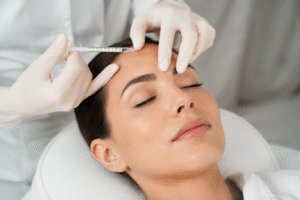
If you’re searching for Cosmelan peel before and after photos, what you really want is predictable answers: How red will I get? When does the peeling start? When will the pigmentation actually fade? Cosmelan is one of the most popular dermatologist-led depigmentation protocols because it targets stubborn pigment patterns (especially melasma and post-inflammatory hyperpigmentation) with a structured, two-phase plan.
What Cosmelan is (and why results are gradual)
Cosmelan is best described as a medical depigmentation system, not just a one-time peel. It typically has two parts:
- Phase 1 (in-clinic mask): An intensive depigmenting mask applied in the clinic and left on for a set number of hours (your dermatologist will tell you exactly how long based on your skin and pigmentation pattern).
- Phase 2 (home maintenance): A structured at-home routine for weeks to months to keep pigment production suppressed and reduce recurrence.
This matters because many “before and after” comparisons online ignore the maintenance phase. With pigmentation, especially melasma, the after is not just about shedding surface pigment, it’s about controlling melanocyte activity over time.
For a deeper explanation of why melasma is persistent and how Cosmelan helps, you can also read: Why Is Melasma So Hard to Treat and How Does the Cosmelan Peel Help?
Cosmelan peel before and after: the real timeline
Your exact recovery depends on skin sensitivity, pigmentation depth, and how strictly you follow aftercare. Still, most experiences follow the same pattern: early redness and tightness, a visible peeling window, then progressive brightening over 4–12 weeks.
Timeline table (what many patients experience)
| Timepoint | What your skin may look/feel like | What’s happening | What to do (high impact) |
| Day 0 (treatment day) | Warmth, redness, tightness, mild swelling possible | Mask starts the intensive depigmentation and exfoliation process | Follow mask time exactly, avoid heat/sweating, do not apply unapproved products |
| First 24 hours after wash-off | Redness, tightness, sensitivity, “sunburn-like” feel | Barrier is stressed and reactive | Gentle cleanse, frequent moisturization, strict sun avoidance |
| Days 2–3 | Dryness, itching or stinging (often mild to moderate) | Early inflammation and barrier disruption | Do not pick, keep hydration consistent, avoid actives unless prescribed |
| Days 4–7 | Noticeable flaking/peeling (often around mouth, nose, cheeks) | Shedding of pigmented, uneven surface layers | Moisturize, cleanse gently, let peeling detach naturally |
| Week 2 | Peeling slows, lingering pinkness possible | Re-epithelialization and calming | Continue maintenance products exactly, prioritize sunscreen |
| Weeks 3–4 | Tone looks brighter, pigment patches may look “broken up” | Pigment suppression becomes more visible | Maintain routine, avoid new irritants, consider dermatologist check-in |
| Weeks 6–8 | More even tone, smoother texture, fewer visible patches | Ongoing pigment control + gradual normalization | Stay consistent, keep UV and visible light protection high |
| Month 3 | “Best after” for many patients, clearer and more even skin | Stabilization and consolidation of results | Continue long-term maintenance to prevent relapse |
What “before and after” usually looks like by concern
Not all pigment behaves the same. Setting expectations based on your diagnosis is the difference between loving your results and feeling disappointed.
Melasma
Melasma is often triggered by UV exposure, heat, hormones, and genetics. Cosmelan can significantly improve it, but melasma also has a well-known tendency to recur without maintenance and photoprotection.
- You may see early improvement by weeks 3–4, but the most convincing before-and-after changes typically show by months 2–3.
- Some patients notice temporary “rebound darkness” if they get sun exposure too soon or stop maintenance early.
For pigmentation types and Dubai-specific triggers, this guide may help: Brown Spots vs. Sun Spots: What’s the Difference and How to Treat Them?
Post-inflammatory hyperpigmentation (PIH)
PIH (dark marks after acne, irritation, or procedures) can respond very well if the underlying inflammation is controlled.
- PIH often shows steadier, more linear improvement than melasma.
- Your after may be faster if you also address acne triggers and barrier health.
If you’re unsure whether you have marks or scars, this breakdown is useful: Difference Between Acne Marks vs Acne Scars?
Sunspots (solar lentigines)
Sunspots can lighten with depigmentation protocols, but some lesions are more resistant and may do better with targeted energy devices.
- Cosmelan can improve overall uneven tone and background sun damage.
- For discrete, stubborn spots, your dermatologist may suggest a combined plan later.
Learn more about options: Sunspots Treatment in Dubai
What affects your “after” (and why two people don’t peel the same)
Cosmelan peel before-and-after timelines vary mainly due to:
- Depth of pigment: Epidermal pigment tends to clear faster than dermal or mixed patterns.
- Skin sensitivity and barrier strength: Reactive skin may stay red longer and tolerate fewer actives early on.
- Sun, heat, and visible light exposure: In a sunny climate, inconsistent protection is one of the biggest causes of relapse.
- Hormonal drivers: Pregnancy, oral contraceptives, thyroid issues, and other hormonal factors can influence melasma persistence.
- Adherence to home phase: Underuse slows results, overuse can irritate and worsen PIH in sensitive individuals.
Aftercare that makes the biggest difference (especially in Dubai)
Your goal after Cosmelan is to protect the healing barrier while controlling pigment triggers.
1) Sun protection is non-negotiable
Daily sunscreen is essential, and for melasma-prone patients, many dermatologists also emphasize protection from visible light (not just UV).
Practical tips many patients miss:
- Apply enough sunscreen (most people under-apply).
- Reapply if you’re outdoors, sweating, or near windows for long periods.
- Consider tinted options if your dermatologist recommends them for pigment control.
2) Don’t “power through” irritation
Cosmelan is active, and irritation is common early on. The mistake is trying to speed up peeling by adding extra acids, scrubs, or retinoids.
If your skin is burning, cracking, or staying bright red, your dermatologist may adjust frequency and support barrier repair. This is one reason dermatologist-led protocols are safer than self-directed use.
3) Avoid common triggers during the peel window
During the first 1–2 weeks, it helps to avoid:
- Saunas, steam rooms, very hot showers
- Intense workouts that cause heavy facial sweating in the first days
- Waxing, threading, or aggressive exfoliation on treated areas
- “DIY masks” or fragranced essential oils
(Always follow the specific instructions you received, since protocols vary by skin type and sensitivity.)
What’s normal vs what’s not
It’s normal to have:
- Redness and tightness in the first days
- Visible peeling or flaking around days 4–7
- Temporary sensitivity to skincare
Contact your dermatologist promptly if you develop:
- Blistering, crusting, or significant swelling
- Severe pain (not just stinging)
- Yellow discharge or signs of infection
- Rapid darkening that persists (possible irritation-triggered PIH)
When can you wear makeup again?
Many patients can return to work quickly, but makeup timing depends on how sensitized your skin is.
In general:
- If skin is raw or actively peeling heavily, makeup can cling and irritate.
- Once the surface is more stable (often after the most intense peeling days), many patients can use light, non-comedogenic products.
Your treating dermatologist should give the safest timing based on how you’re healing.
Can Cosmelan be combined with other treatments?
Often, yes, but usually not at the same time as the peak peeling phase.
After your skin has recovered, a dermatologist may discuss combining or sequencing Cosmelan with treatments such as:
- IPL for certain pigment and redness patterns (learn more: IPL Photofacial Treatment in Dubai)
- Customized chemical peels (overview: Chemical Peels: Transform Your Skin with Modern Aestheticss)
- Microneedling for texture plus pigment (service page: Microneedling in Dubai)
Combination plans are highly individualized, especially for medium to deeper skin tones where preventing PIH is a priority.
Frequently Asked Questions
How long does it take to see Cosmelan peel before and after results? Many people notice early brightening after the first peeling week, but more meaningful “after” results often show between weeks 4–12, depending on pigment depth and adherence.
When does peeling start after Cosmelan? Peeling commonly becomes noticeable around days 3–5, often strongest around days 4–7. Some patients peel lightly, while others shed more visibly.
Is Cosmelan good for melasma in darker skin tones? It can be, but it must be carefully supervised. The key is controlling irritation and maintaining strict photoprotection, since darker skin tones can be more prone to post-inflammatory hyperpigmentation if the skin barrier is stressed.
Will my pigmentation come back after Cosmelan? It can, especially melasma. Long-term maintenance products and consistent sun protection are often necessary to reduce relapse.
Can I do Cosmelan if I have active acne? Sometimes, but it depends on acne severity, skin sensitivity, and the products you’re using. A dermatologist should assess whether to stabilize acne first to reduce irritation and PIH risk.
Book a Cosmelan consultation at Modern Aestheticss (Dubai)
Cosmelan outcomes are highly dependent on correct diagnosis (melasma vs PIH vs sunspots), safe prep, and a personalized maintenance plan. If you want a realistic assessment of what your Cosmelan peel before and after could look like, book a consultation with the dermatology team at Modern Aestheticss.
Visit Modern Aestheticss to schedule your appointment and get a tailored pigmentation treatment plan.