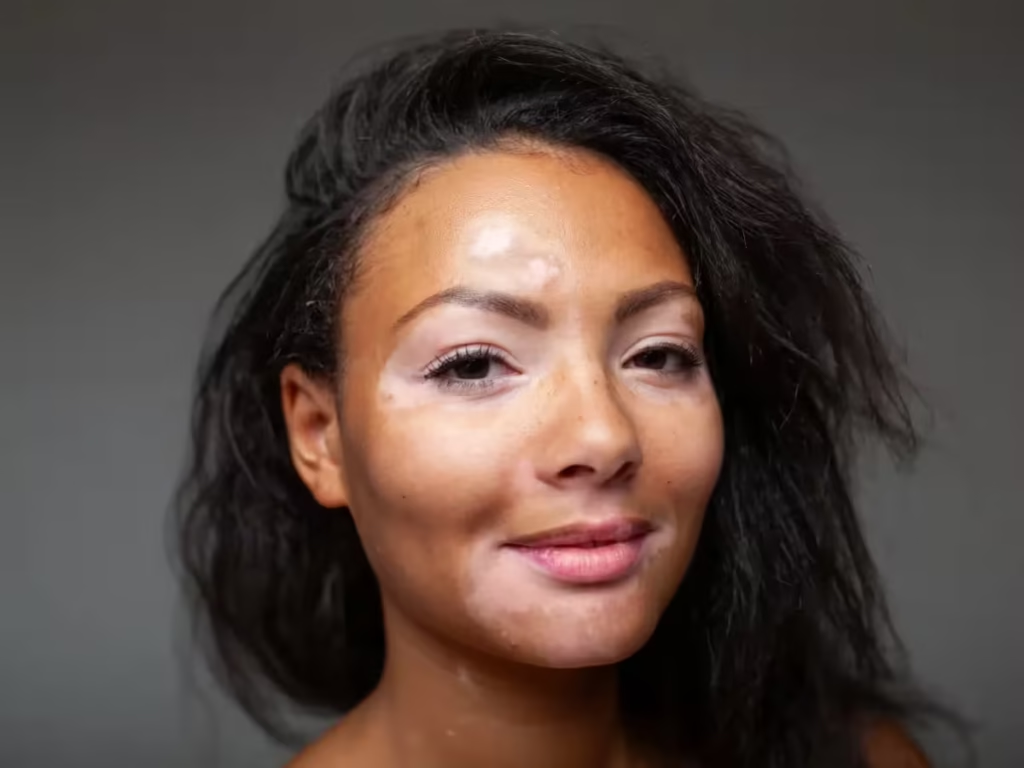
Vitiligo is a skin disorder involving loss of pigmentation, meaning certain areas of the skin become lighter or white because pigment-producing cells stop working properly in those spots.
Vitiligo is:
Not contagious (you cannot “catch” it from someone)
Not life-threatening
But it can be emotionally challenging, especially when patches appear on the face, hands, or other visible areas. Many patients tell us it is not only about appearance, it is also about uncertainty. That feeling is valid, and you deserve clear answers.
Vitiligo can be a lot to take in at first, especially when the changes seem to happen without warning. Some people notice one small pale patch, others see new areas over time. If you are looking for Vitiligo Treatment In Dubai, the most important first step is a proper diagnosis and a calm, long-term plan. There are treatment options that may help stimulate repigmentation for some patients, but it is equally important to set expectations in a supportive and realistic way.
Who Gets Vitiligo?
It can start at any age, often before 20
More common if there is a family history of vitiligo or autoimmune diseases (like thyroid issues or type 1 diabetes)
Can be triggered by stress, sunburn, injury, or irritation
Causes of Vitiligo
Immune system involvement: The immune system may mistakenly attack pigment-producing cells
Genetic factors: Vitiligo can run in families, suggesting a hereditary link
Triggering factors: Stress, skin injury, and overall health may influence onset or progression
Not lifestyle-related: Vitiligo is not caused by poor hygiene or personal fault
What Are The Symptoms?
White or pale patches, often with clear borders
Common on the face, hands, elbows, knees, and genitals
Every treatment starts with a full doctor consultation. Since each case of vitiligo is different, only a dermatologist can decide what treatment is best and safest for you.
Vitiligo laser treatment (often using targeted light energy for specific patches) is generally considered when vitiligo is localized, meaning there are limited areas to treat.
In simple terms, the goal is to deliver focused energy to the affected patches to encourage repigmentation, usually alongside other supportive treatments.
Who it may suit best:
Patients with smaller areas of vitiligo
Patients who can commit to a series of sessions
Safety and expectations:
Treatment is typically gradual. It is not an instant change.
Your dermatologist may recommend patch testing or a cautious start, especially for sensitive skin
Phototherapy for vitiligo uses controlled light exposure in a medical setting. It is different from “getting sun,” which can actually increase contrast between normal skin and vitiligo patches.
Phototherapy may be recommended when:
Vitiligo is more widespread
We want a more uniform approach across multiple areas
What patients should know:
It usually requires consistency, often multiple sessions over weeks to months.
Progress can be slow. Many people see changes gradually, and some areas respond better than others.
If you are comparing phototherapy vs other light-based options for skin concerns, you may also want to understand the difference between pigment disorders in general. Our clinic has an educational page on eczema and narrowband UVB phototherapy (mentioned there as a treatment option) that can help illustrate how medical phototherapy is used across dermatology, though your vitiligo plan should always be individualized.
Long-term creams or light therapy (1–3 times per week)
Daily sunscreen to protect pale skin and reduce contrast
Emotional support and lifestyle advice to reduce flare-ups
Understanding Skin Disorder Vitiligo
Skin disorder vitiligo can look different depending on your natural skin tone.
In lighter skin tones, patches may appear as subtle “lighter areas,” especially noticeable after tanning.
In deeper skin tones, contrast can be more obvious, which can make the condition feel more visible and harder to ignore.
Vitiligo can be stable for long periods or it can change. Because of that, professional evaluation is important, not only to confirm the diagnosis, but also to document the pattern, check your skin carefully, and discuss what is realistic for your case.
It is also completely normal to feel self-conscious or anxious about vitiligo, particularly in social settings or when patches are on the face. Part of good care is making space for those concerns, without dismissing them.
Why You Need A Doctor's Consultation
Each vitiligo case is different — from the type to how fast it spreads
Only a dermatologist can guide you to the safest and most effective option
Some treatments are not suitable for everyone and need close monitoring
Proper diagnosis ensures we treat the real cause, not just the symptoms
At Modern Aestheticss Dermatology and Laser Clinic, your treatment is always supervised by a qualified doctor to ensure the best care and safest outcomes.
No, it’s not infectious or spread by touch. It’s an autoimmune condition.
Is laser safe for vitiligo?
Yes, Excimer laser is safe and very effective for small, stable patches when done by professionals.
How soon will I see results?
You may start seeing changes in 4–8 weeks. Best results usually appear after 3–6 months.
How often is phototherapy for vitiligo done?
It depends on the protocol, but it commonly requires regular sessions over a period of time. Your dermatologist will advise a schedule based on your skin and goals.
Tab TitleDoes vitiligo laser treatment work for everyone?
Results vary. Vitiligo laser treatment may be helpful for localized patches in some patients, but it is not the right choice for every case.
Who Is a Good Candidate for Vitiligo Treatment in Dubai ?
Many people are candidates for vitiligo treatment, but the plan depends on details such as:
Early vs long-standing vitiligo: Newer patches sometimes respond better, but that is not a rule.
Localized vs widespread patches: Localized vitiligo may suit targeted options, while widespread vitiligo may suit phototherapy.
Patch location: Some areas are naturally more resistant.
A careful assessment helps avoid disappointment and helps us choose a plan that is realistic.
Choosing the right dermatologist in Dubai is not about finding the most aggressive plan. It is about finding someone who can diagnose accurately, explain options clearly, monitor changes, and support you through a condition that can be unpredictable.
Look for:
Experience managing vitiligo across different skin tones
A structured plan with follow-up
Transparent expectations and ethical guidance
Modern Aestheticss is a dermatologist-led clinic in Dubai, and our approach is always personalized, whether you need diagnosis reassurance, treatment planning, or long-term monitoring.
At Modern Aestheticss Dermatology and Laser Clinic, your treatment is always supervised by a qualified doctor to ensure the best care and safest outcomes.