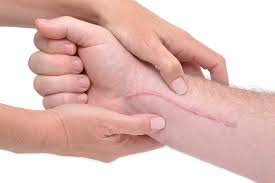
A scar is the skin’s natural “repair patch.” When the deeper layers of skin are injured, the body rebuilds the area with collagen fibers. This closes the wound and restores strength, but the new collagen is not always arranged the same way as uninjured skin. That difference in structure is what can make a scar look raised, indented, firm, shiny, darker, or lighter than the surrounding area.
Scars can form after many types of skin injury, including acne breakouts that affect deeper tissue, surgical incisions, or trauma such as cuts and burns. It is also normal for scars to change over time. Early scars may look red or darker, then gradually become lighter and flatter. When scars remain prominent, feel tight, or affect confidence, scar treatment can help guide more even healing and improve the scar’s appearance in a controlled way.
Types of Scars Treatment
Acne Scars: These often appear as uneven texture, pits, or shallow dents. Acne and acne scar treatment usually focuses on improving texture while also addressing visible pores and lingering post-acne marks.
Keloid Scars: Keloids are raised scars that grow beyond the original wound edges. Keloid scar treatment focuses on reducing thickness, symptoms, with careful monitoring.
Surgical Scars: Scar treatment aims to improve blend and softness, and to reduce visible contrast.
Stretch Marks: Stretch marks are a form of scarring that happens when skin stretches quickly (for example, with weight changes or pregnancy).
What Are the Benefits of Scar Treatment in Dubai?
Reduces visibility of scars
Improves skin texture and tone
Boosts self-confidence
Offers customized solutions for different scar types
Options include subcision, microneedling, chemical peels, or Options include subcision, dermapen 4 microneedling, MNRF (RADIOFREQUENCY MICRONEEDLING), deep chemic peels , fractional ablative and non ablative lasers like clearlift, clear-skin, ipixel by Alma harmony XL Pro & lasemD
Subcision with Maxxi prp, prf, calcium fillers (radiesse) , PLLA ( sculptra) skin boosters like sunekos
Combination of multiple modalities
Application of topical or injectable medications if required
Acne scars often include a mix of depressed areas, rough texture, and visible pores. Acne and acne scar treatment typically focuses on encouraging smoother collagen remodeling while also improving the overall look of the skin surface.
Options are selected based on whether scars are shallow or deep, and whether the main concern is texture, pores, or lingering color differences. Many patients request acne scars and pores treatment because pores and scarring can be noticed together, even when acne is no longer active.
A realistic plan may involve several sessions spaced over time, with gradual improvement rather than a dramatic overnight change. If acne is still active, we usually discuss controlling breakouts as part of the overall strategy, because new inflammation can create new marks and delay progress.
Laser scar revision uses controlled energy to encourage the skin to renew and remodel collagen in a more even pattern. In simple terms, the goal is to help the scarred area blend better with surrounding skin by smoothing texture, softening edges, and improving visible contrast.
Scar laser treatment in Dubai is commonly used for acne scars and some surgical scars, and it may also help improve redness or uneven tone in selected cases. The exact approach depends on the scar’s depth, location, and your skin tone. Laser treatment is typically planned as a series, with healing time between sessions, and results tend to build gradually as the skin recovers and remodels.
Keloids are raised scars that extend beyond the original wound. They can develop after acne, piercings, surgery, or minor skin injuries, and they may continue to grow slowly. Because keloids behave differently from flat scars, the focus is usually on management rather than “complete removal.”
Keloid scar treatment may aim to:
Reduce thickness and firmness
Ease symptoms such as itching or tenderness
Improve the scar’s look and comfort
Monitor changes over time and adjust the plan if needed
Keloids often require a careful, personalized approach and follow-up, since they can be persistent. Treatment decisions are based on location, size, symptoms, and how your skin has formed scars in the past.
Microneedling creates tiny, controlled channels in the skin to stimulate repair and collagen support. When combined with PRP (a component prepared from your own blood), the goal is to support healing and recovery in a gentle, structured way.
This option is often considered for certain acne scars and texture concerns, and it may also be used as part of a broader scar treatment plan. Improvements are usually gradual. The skin needs time between sessions to respond, and changes tend to be more noticeable over several months rather than immediately.
Yes, when performed by qualified dermatologists using advanced methods.
How soon will I see results?
Visible improvement typically appears within 3–4 weeks, with continued results after multiple sessions.
Can it be combined with other treatments?
Yes, scar treatments are often combined with growth factors, microneedling, or laser for enhanced results.
Is scar laser treatment safe for all skin types?
Laser can be used across a range of skin tones, but settings and device choice matter. A proper assessment is important to reduce the risk of unwanted pigmentation changes.
How long does it take to see results?
Scar changes are usually gradual. Some people notice early improvements in texture after a few weeks, but fuller results often build over a few months as collagen remodeling continues.
Why Choose Modern Aestheticss for the Scar Treatment in Dubai?