The state-of-the-art laser technology has made a cautious topic into a guaranteed solution for deeply pigmented skins. Should you possess phototype IV – VI and be thinking that lasers could be the answer to your never-ending waxing or threading, the brief reply is yes, but only if the right device, protocol, and clinician are selected.
How Skin Tone Influences Laser Physics
Melanin is known to absorb light energy. The hair follicle is the main chromophore target in pale skin. In dark skin, on the other hand, the large amount of melanin in the epidermis takes away the energy and hence, the risk of burns and post-inflammatory hyperpigmentation (PIH) is raised even more. This is why the laser hair removal in dark skin is aimed at achieving two things:
-
Select a wavelength that bypasses superficial melanin.
-
Deliver energy slowly enough for epidermal cooling yet powerfully enough to disable the follicle.
Choosing the Right Wavelength
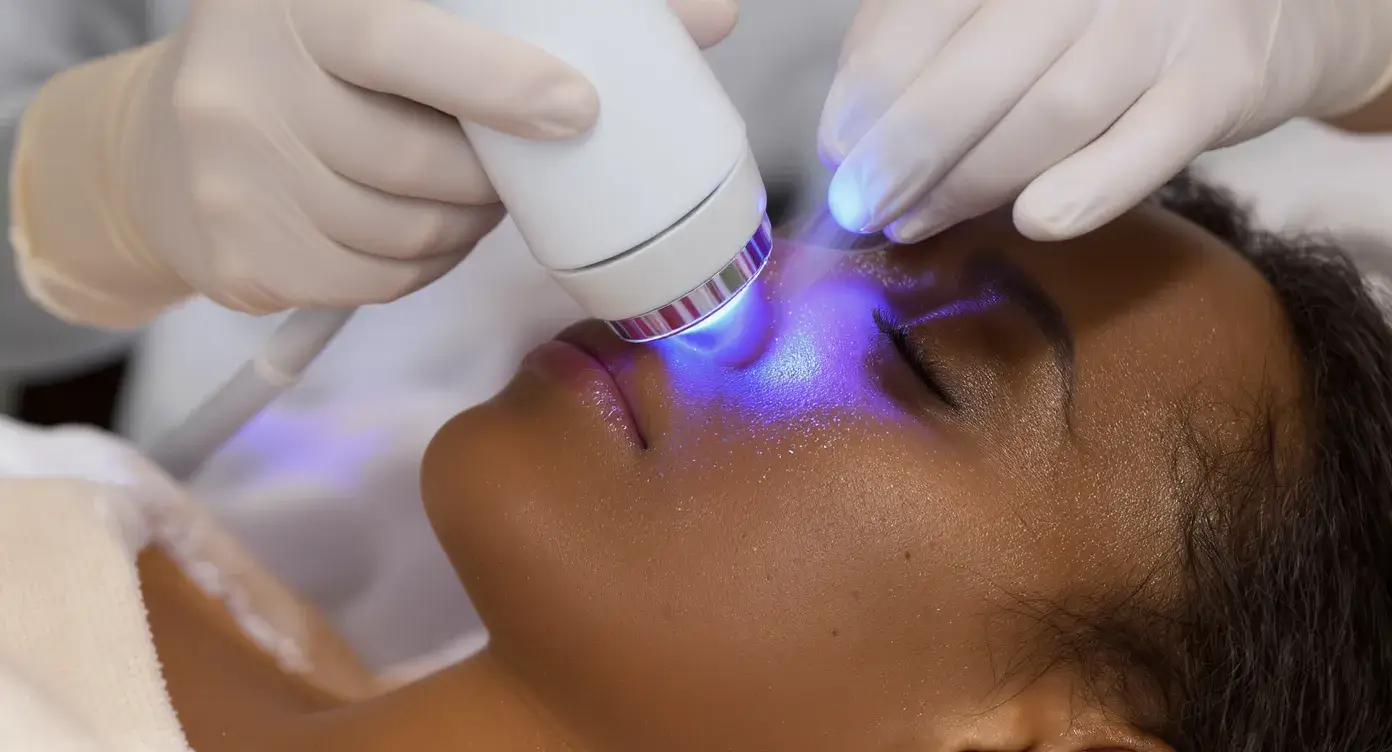
In 2025, two platforms dominate dark-skin protocols:
| Laser type | Wavelength (nm) | Penetration depth | Ideal Fitzpatrick types | Notes |
|---|---|---|---|---|
| Long-pulse Nd:YAG | 1064 | 5–6 mm | IV–VI | Lowest melanin absorption, safest for black skin |
| Diode (high-fluence) | 810 | 3–4 mm | III–V | Effective with advanced cooling and in-motion technique |
Older 755 nm Alexandrite or intense pulsed light (IPL) systems are still excellent for lighter phototypes but carry a higher PIH risk in deep tones. According to a 2024 systematic review in JAMA Dermatology, long-pulse Nd:YAG achieved a 92 percent median hair-reduction rate at 12 months in skin types V – VI, with a complication rate below 3 percent.
Safety Checklist: What Your Clinic Should Offer
-
Contact or cryogenic cooling to maintain epidermal temperatures below 50 °C.
-
Adjustable pulse widths (20 – 40 ms) to match the larger, melanin-rich hair shafts common in African and South-Asian genetics.
-
Patch testing on an inconspicuous area 48 hours before full treatment.
-
Clinicians experienced in laser hair removal black skin protocols.
At Modern Aestheticss, every Nd:YAG session is preceded by a melanin index reading to customize fluence and cooling. This data-driven approach is one reason our PIH incidence has remained under 1 percent for the past 18 months (internal audit, Q3 2025).
Effectiveness: What Results Can You Expect?
Clinical benchmarks for laser hair removal for dark skin mirror those for lighter complexions, but often require one extra session to optimize efficacy. Typical course:
-
Session 1–3: 20–40 percent reduction, slower regrowth.
-
Session 4–6: 60–80 percent reduction, finer texture.
-
Session 7–8: 90 percent+ reduction, maintenance once yearly.
Real patient photography taken at Modern Aestheticss illustrates this trajectory:
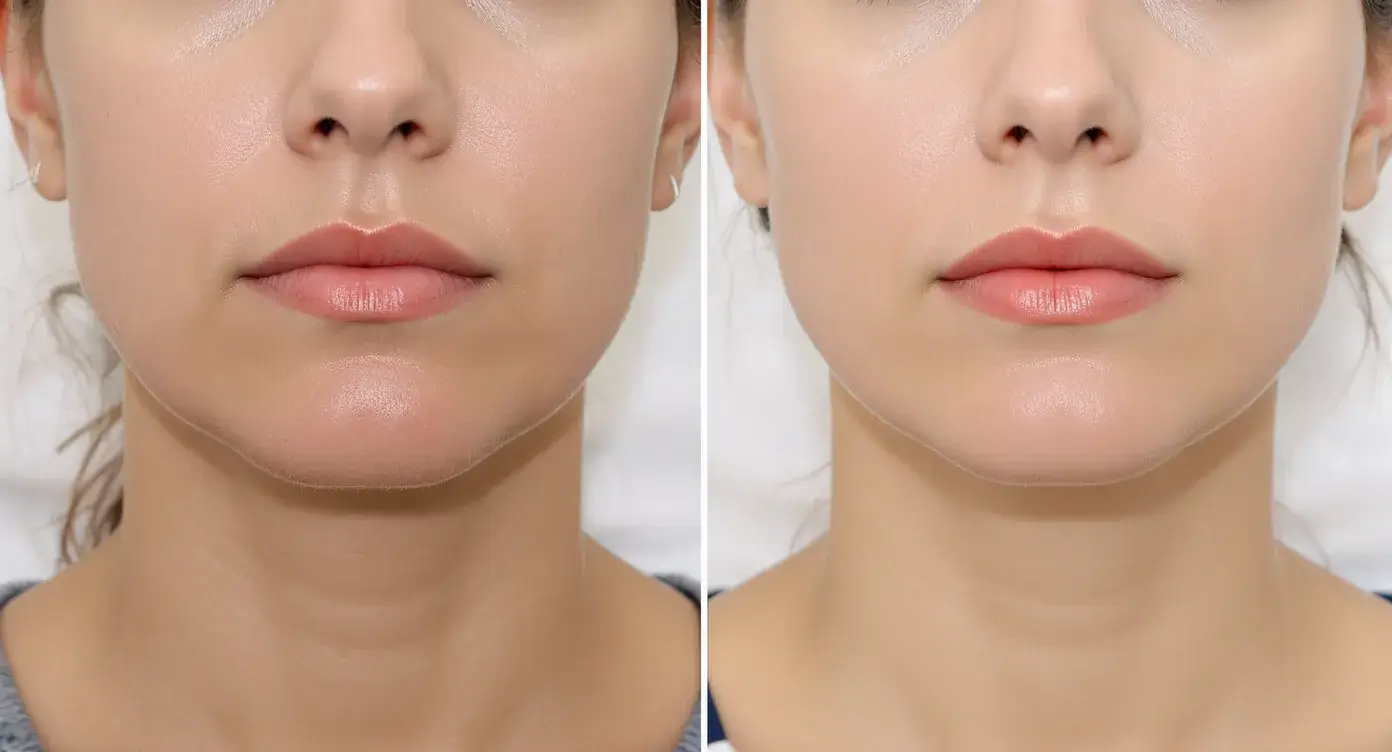
Key takeaway: consistency and correct intervals (4 – 8 weeks depending on body area) matter more than aggressive single-session fluence.
Hot Zones: From Facial Hair to Full-Body Packages
-
Facial hirsutism related to polycystic ovarian syndrome (PCOS) is the most requested laser treatment for facial hair among our dark-skin patients. Nd:YAG’s depth targets terminal follicles on the chin, jawline, and neck while sparing pigment.
-
Underarms and bikini line respond quickly because of coarse hair texture and high anagen ratios.
-
Full face laser hair removal packages have grown 36 percent year-on-year in the Gulf region (Euromonitor, 2025) as social norms evolve and mask-related folliculitis declines.
Cost Trends in Dubai, 2025
Dubai’s competitive aesthetic landscape keeps pricing transparent. Average laser hair removal cost with Nd:YAG for Fitzpatrick IV – VI:
| Treatment zone | Sessions (avg.) | Package range (AED) | Cost per session (AED) |
|---|---|---|---|
| Full face | 6–8 | 2,700–3,600 | 450–600 |
| Underarms | 6 | 1,200–1,500 | 200–250 |
| Brazilian | 6–8 | 2,400–3,200 | 400–500 |
Prices may vary with technician seniority, device generation, and add-ons such as topical anesthetic or LED recovery modules. Modern Aestheticss offers tiered packages with interest-free installment plans to simplify budgeting.
Market Insights: Why Dark-Skin Protocols Are Booming
-
Demographics: Almost 65 percent of the population in UAE are in the skin type IV category or above (Emirates Clinical Dermatology Society, 2024).
-
Technology: Nd:YAG Hair Removal Devices global sales grew by 22 percent in 2024 highlighting the necessity for melanin-safe machines (Allied Market Research).
-
Social media: The hashtag #LaserHairRemovalForDarkSkin was viewed on TikTok over 310 million times by the beginning of 2025 leading to consumer education and dissemination of peer-reviewed testimonials.
Comparing Alternatives
| Method | Sessions needed | Risk of PIH | Long-term cost | Pain level |
|---|---|---|---|---|
| Waxing | Every 4 weeks | Low | High (recurring) | Moderate |
| Threading | Every 2 weeks | Low | Very high | Moderate |
| Electrolysis | Weekly, then monthly | Very low | Very high | High |
| Nd:YAG laser | 6–8, yearly maintenance | Low | Medium | Low-moderate |
Laser emerges as the most cost-efficient option beyond two years, particularly when factoring time saved.
Strategic Advice Before Booking
-
Verify that your provider owns a dedicated long-pulse Nd:YAG, not merely an IPL with a dark-skin filter.
-
Ask to see calibration logs; reputable clinics document output consistency for insurance purposes.
-
Schedule sessions outside peak sun-exposure periods if possible, or adhere strictly to SPF 50+ for at least two weeks pre- and post-treatment.
-
Supplement with antioxidants like oral Polypodium leucotomos to minimize PIH risk (Journal of Cosmetic Dermatology, 2023).
Key Takeaways
Opt for long-pulse Nd:YAG or the advanced diode for less absorption of melanin. With proper adherence to the protocols, anticipate 70 – 90 percent reduction of hair growth after 6 – 8 sessions with slight post-inflammatory hyperpigmentation (PIH).
The pricing in Dubai for full-face laser hair removal sessions is around AED 450–600, but up-front costs can be mitigated by purchase of combo packages. Modern Aestheticss combines top-notch equipment with the knowledge and skills in treating ethnic skin, thus providing verifiable outcomes that are supported by data.