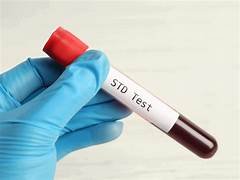
STD screening is a medical test where a doctor checks your body for sexually transmitted infections (STIs). It helps find infections early, often before you notice any symptoms, so they can be treated quickly and safely.
Some infections are best detected with urine or swab tests (commonly chlamydia and gonorrhea). Others require blood tests (HIV, syphilis, hepatitis). There is no single test that checks for every STD, which is why proper evaluation and targeted testing are important, similar to how Skin Cancer Screening relies on the right examination methods rather than a single test.
You had unprotected sex (including oral sex) with a new or non-monogamous partner
You have more than one partner
You noticed symptoms such as discharge, burning, sores, a new rash, itching, or bumps
A partner told you they tested positive
You are starting or ending a relationship and want baseline testing
You want routine screening as part of preventive health
Develop complications over time (for example, pelvic inflammatory disease from untreated chlamydia)
Miss the most effective treatment window
| Infection | Common Test Type | Sample | Notes |
|---|---|---|---|
| Chlamydia | NAAT (molecular test) | Urine or swab | Very common, often no symptoms |
| Gonorrhea | NAAT | Urine or swab | Swab may be needed for throat/rectal exposure |
| Syphilis | Blood test (treponemal and non-treponemal) | Blood | Interpreting results can require clinical context |
| HIV | 4th generation antigen/antibody test | Blood | Detects infection earlier than antibody-only tests |
| Hepatitis B | Blood tests (HBsAg, anti-HBs, anti-HBc) | Blood | Also indicates immunity or vaccination status |
| Hepatitis C | Antibody test, then confirmatory RNA if positive | Blood | Often asymptomatic early |
| Trichomoniasis | NAAT (more sensitive) | Swab or urine | More often tested when symptoms exist |
| Herpes (HSV-1 / HSV-2) | Swab PCR from a lesion | Swab | Blood tests are not always recommended for screening |
| HPV | Cervical screening (where applicable) | Cervical sample | Usually part of women’s screening programs |
Depending on the panel, this may include:
Blood draw
Urine sample
Swabs (vaginal, cervical, urethral, throat, rectal)
Swabs can sound intimidating, but they are often quick. Many discomfort issues come from anxiety rather than the swab itself.
Preparation can improve accuracy for certain tests.
For chlamydia and gonorrhea urine NAAT, you may be asked not to urinate for 1 to 2 hours before the sample.
Avoid starting antibiotics before testing unless a clinician instructs you to, because antibiotics can affect results.
If you have active sores, blisters, or ulcers, try to be seen promptly. Swab tests from fresh lesions are usually more informative than later testing.
If you are on your period, many tests can still be performed, but it is worth confirming with the clinic.
A positive test is not the end of the story, it is the beginning of treatment and prevention.
In most cases, next steps include:
Confirming the diagnosis when required (some results need confirmatory testing)
Starting treatment promptly (antibiotics or antivirals depending on the infection)
Discussing whether a partner should be tested and treated
Planning follow-up testing (for example, “test of cure” in specific situations)
Vaccines are also part of prevention. Many adults benefit from vaccination assessment for hepatitis B, and in appropriate age groups, HPV vaccination can reduce the risk of HPV-related disease, guidance that is often reviewed and recommended by the best dermatologist in Dubai as part of comprehensive preventive care. For general vaccine guidance, you can review the WHO immunization resources.
Yes. Preventive screening is common, especially after a new partner or if you want baseline testing.
NAAT (nucleic acid amplification testing) is widely used because it is highly sensitive and can be done on urine or swabs.
It depends on the infection and the test. Many bacterial STDs can be detected around 1 to 2 weeks, while HIV and syphilis often require longer or repeat testing.
Urine may be enough for certain tests, but if you had oral or anal exposure, throat or rectal swabs may be needed for accurate results.
Routine blood screening for herpes is not always recommended because results can be hard to interpret. If you have lesions, a swab PCR from the sore is usually the most useful.
Not always. If you test during the window period, you may need repeat testing. A clinician can advise the right timing.
Modern Aestheticss © All Rights Reserved.
UAE MOHAP Advertisement License No : ZI5CU0IB-25032